


We bought a house built in 1962 and I'm worried about lead in the water, especially with a toddler. The water looks and tastes fine. Is there lead in my tap water, how do I find out, and what can I do right now to lower the risk while I figure it out?
Is there lead in my tap water? How to check and lower your risk

Concerns & risks
Your 1962 house may have older plumbing, and you have a toddler at home.
| Source | More likely when |
|---|---|
| Lead service line | Older homes, older cities |
| Lead solder | Plumbing before 1986 |
| Brass faucets | Older fixtures |
| Water sitting in pipes | Overnight or after travel |
| Hot tap water | Any home |
| Aerator debris | Not cleaned regularly |


Causes & evidence
The Environmental Protection Agency says lead usually gets into drinking water from plumbing, not the source: lead service lines, lead solder, and brass or chrome-plated brass faucets and fixtures. Lead pipes are more likely in homes built before 1986. EPA's health goal for lead in drinking water is zero, because no safe level of exposure is known, and children are especially vulnerable. Utilities must test homes and take actions such as public education and lead service line replacement if more than 10% of samples exceed the action level of 15 parts per billion; that level measures corrosion control, not a safe level for your tap. Every community water system must deliver an annual Consumer Confidence Report by July 1. The CDC adds that warm or hot tap water can carry more lead and boiling doesn't remove it.
Edge cases: private well owners aren't covered by utility reports and should contact the health department. Faucets labeled lead-free still have small allowed amounts. Construction or water main work can temporarily raise lead.

Boiling water to make it safe is the myth; it doesn't remove lead and can concentrate it as water evaporates.
What to do


| Fact | Detail |
|---|---|
| Health goal | Zero |
| Utility action level | 15 parts per billion |
| Higher-risk homes | Built before 1986 |
| Annual water report | By July 1 |
| Hot tap water | Can carry more lead |
| Boiling | Doesn't remove lead |
- Find your Consumer Confidence Report through your utility or EPA's search tool.
- Ask your utility whether your service line is lead and whether it offers testing.
- Use only cold tap water for drinking, cooking and baby formula.
- Run the tap before using water that has sat for hours, following utility guidance.
- Use a filter certified to remove lead and replace cartridges on schedule.
- Clean faucet aerators regularly and ask your pediatrician about a blood lead test.

Common mistakes:
- Boiling to remove lead
- Using hot tap water for cooking
- Running expired filter cartridges
- Assuming clear water is lead-free
ReportSpeedMan tip: I check filter packaging for certification to NSF/ANSI standard 53 for lead. The claim on the box front isn't enough.
What I would actually do
I'd look up the utility report, ask about the service line, start using cold filtered water for drinking and formula today, and ask the pediatrician about testing.
The trade-off people miss: a filter costs money and upkeep, but it's far cheaper than replacing pipes and protects the household while you find answers.
Checking that it worked
You've read your water report and use cold, filtered water daily.
Quick FAQ
Does boiling help?
No.
How do I find my report?
Ask your utility or use EPA's CCR search.
Is bottled water necessary?
Certified bottled water is an option, but costly.
Wrap-up: Lead comes from plumbing, can't be seen, and isn't removed by boiling. Check your utility report, test, and use cold, filtered water.
Wiki: Dehydration and Kids and Screen Time.
Is there lead in my tap water: read the originals
Step-by-step photos

1. Before The problem 
2. Why it happens The cause 
3. The fix The fix 
4. After The result
⚡ Speed Summary
- Lead comes from plumbing, can't be seen, and isn't removed by boiling.
- I check filter packaging for certification to NSF/ANSI standard 53 for lead. The claim on the box front isn't enough.
- Boiling water to make it safe is the myth; it doesn't remove lead and can concentrate it as water evaporates.

Was this answer helpful?
Tap a star to rate this answer.
Related questions

When do I need a tetanus shot? Booster timing and wounds
Boosters are every 10 years, or 5 years for dirty or puncture wounds.
Rate itSolved
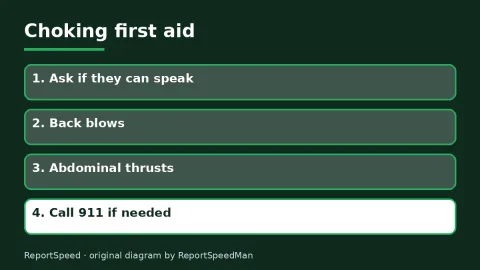
How to help someone who is choking: back blows and abdominal thrusts
Let a strong cough work.
Rate itSolved
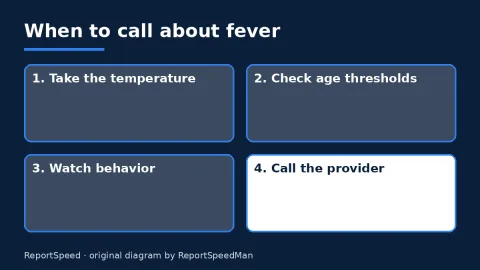
Fever: when to call the doctor for a child or adult
At 8 months, 102.2°F is the call-now line; your baby's 101.5°F means watch closely and call if it rises or warning signs appear.
Rate itSolved
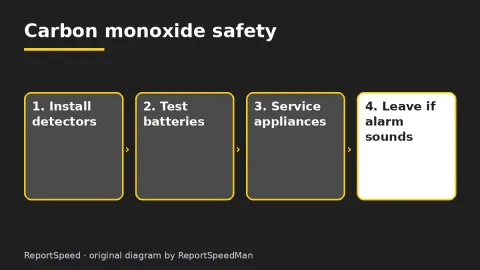
Carbon monoxide poisoning: symptoms and how to prevent it at home
Install detectors near bedrooms, test them twice a year, replace every five years, service appliances yearly, and leave immediately if the alarm sounds.
Rate itSolved
Real experiences
No experiences yet. Be the first to share.