


My son is 8 and says he's the only kid in third grade still in a booster seat. He's average height. I want to move him to a regular seat belt, but I'm not sure if he's ready. When can my child stop using a booster seat, and how do I tell if the seat belt fits him right?
When can my child stop using a booster seat?

Concerns & risks
Your 8-year-old wants out of the booster, and you're unsure whether the belt fits yet.
| Test | Pass looks like |
|---|---|
| 1. Back | Flat against the seat back |
| 2. Knees | Bend at the seat edge |
| 3. Lap belt | Low on upper thighs |
| 4. Shoulder belt | Middle of chest and shoulder |
| 5. Posture | Stays put the whole ride |
| Any fail | Keep using the booster |


Causes & evidence
The National Highway Traffic Safety Administration recommends keeping children in a booster seat until they are big enough to fit in a seat belt properly. A booster raises the child so the lap belt lies across the upper thighs, not the stomach, and the shoulder belt crosses the middle of the chest and shoulder, not the neck or face. NHTSA also recommends that children 12 and under ride in the back seat. A belt that rides up on the stomach can cause serious abdominal and spinal injuries in a crash, and a shoulder belt on the neck tempts kids to tuck it behind their back, which removes upper-body protection. State booster laws set a minimum, which may be lower than the safety recommendation. Fit also varies by vehicle; a child may fit the belt in one car and not another, because seat depth and belt anchor points differ.
Edge cases: some vehicles have rear seats where belts fit poorly; a high-back booster may help longer. Lap-only belts aren't suitable for boosters. A child who slouches or moves the belt still needs a booster.

Moving a child out of a booster because friends have stopped is the usual mistake; the belt fit, not the grade level, decides.
What to do


| Check | Ready when |
|---|---|
| Lap belt | Lies across upper thighs, not stomach |
| Shoulder belt | Crosses chest and shoulder, not neck |
| Back position | Back against the seat |
| Knees | Bend at the seat edge |
| Can stay seated | Whole trip, without slouching |
| Seating position | Back seat through age 12 |
- Have your child sit all the way back in the vehicle seat without the booster.
- Check that knees bend comfortably at the seat edge.
- Buckle up and see where the lap belt lies: it should be low on the upper thighs.
- Check that the shoulder belt crosses the middle of the chest and shoulder.
- Ask whether they can sit like that for the whole ride without slouching.
- If any check fails, keep the booster and test again in a few months, in each family car.

Common mistakes:
- Going by age alone
- Letting a child put the shoulder belt behind the back
- Moving to the front seat too early
- Testing in only one vehicle
ReportSpeedMan tip: I do the fit check in every car the child rides in, including grandparents' cars. A pass in one doesn't mean a pass in all.
What I would actually do
I'd run the five-point test in every car he rides in and keep the booster until he passes in all of them, then keep him in the back seat until 13.
The trade-off people miss: the booster may feel babyish to a child, but a belt across the belly can cause injuries the booster prevents.
Proof that it worked
Your child passes all five fit checks in every car.
Quick FAQ
Is age 8 the cutoff?
No, fit decides.
Backless or high-back?
Either, if belt fit is correct; high-back helps without headrests.
When can they ride in front?
At 13 and older.
Wrap-up: Keep the booster until the seat belt fits across the thighs and chest, and keep kids 12 and under in the back.
Wiki: Vehicle Recalls and Kids and Screen Time.
When can my child stop using a booster seat: read the originals
Step-by-step photos

1. Before The problem 
2. Why it happens The cause 
3. The fix The fix 
4. After The result
⚡ Speed Summary
- Keep the booster until the seat belt fits across the thighs and chest, and keep kids 12 and under in the back.
- I do the fit check in every car the child rides in, including grandparents' cars. A pass in one doesn't mean a pass in all.
- Moving a child out of a booster because friends have stopped is the usual mistake; the belt fit, not the grade level, decides.

Was this answer helpful?
Tap a star to rate this answer.
Related questions

How far should I sit from the steering wheel airbag?
Keep 10 inches from the air bag cover, tilt the wheel toward your chest, and keep kids 12 and under in the back.
Rate itSolved
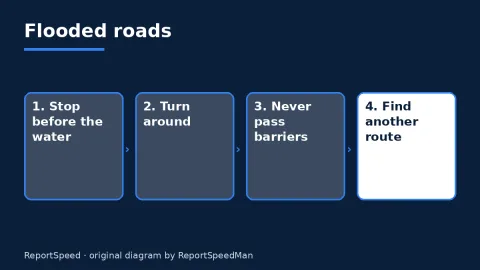
Is it safe to drive through a flooded road? How much water can float a car
Never drive into flood water; a foot of rushing water can carry most cars.
Rate itSolved
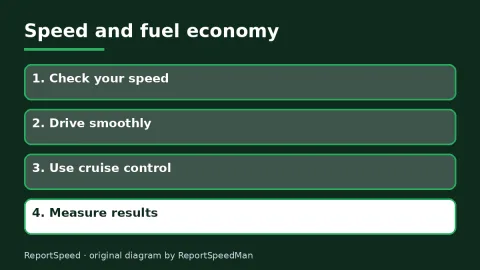
Does driving faster really waste gas? Speed and fuel economy
Above 50 mph mileage drops quickly, roughly like $0.30 more per gallon for each extra 5 mph.
Rate itSolved
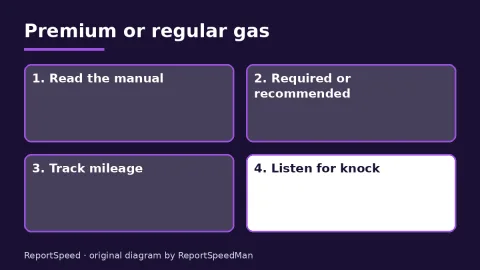
Do I need premium gas? What octane my car really needs
Check the manual: 87 means regular; required premium means premium.
Rate itSolved
Real experiences
No experiences yet. Be the first to share.