


I carry hand sanitizer everywhere and use it instead of washing my hands most of the time. My kid's teacher says soap and water is better. Is sanitizer good enough, and what should I look for in a sanitizer?
Hand sanitizer vs washing hands: which is better?

Concerns & risks
You rely on hand sanitizer and want to know whether it's as good as washing.
| Situation | Best choice |
|---|---|
| Visibly dirty hands | Soap and water |
| Before eating | Soap and water |
| No sink nearby | 60%+ alcohol sanitizer |
| After handling chemicals | Soap and water |


Causes & evidence
The CDC recommends washing hands with soap and water whenever possible because it reduces the amount of all types of germs and chemicals on hands. The CDC's steps are to wet your hands, lather with soap, scrub all surfaces for at least 20 seconds, rinse and dry with a clean towel or air dry. If soap and water aren't available, the CDC says to use a hand sanitizer that contains at least 60% alcohol. Sanitizers don't get rid of all types of germs and may not work as well when hands are visibly dirty or greasy, and they may not remove harmful chemicals such as pesticides. To use sanitizer, apply it to one palm and rub it over all surfaces of both hands until they're dry.
Hand hygiene is one of the simplest ways to reduce the spread of germs at home, school and work. Teaching children the 20-second rule early helps it become habit. At home, a few habits help: keep soap at every sink, use clean or disposable towels, and wash after using the bathroom, before and after preparing food, before eating, after blowing your nose and after touching pets or garbage. In a car or bag, sanitizer works best when stored away from extreme heat and replaced when it reaches its expiration date.

Using sanitizer on visibly dirty hands, or wiping it off before it dries, makes it far less effective.
What to do


| Item | Guidance |
|---|---|
| Best choice | Soap and water when possible |
| Scrub time | At least 20 seconds |
| If no soap and water | Sanitizer with at least 60% alcohol |
| Sanitizer limits | Less effective on visibly dirty or greasy hands |
| How to use sanitizer | Rub over all surfaces until dry |
- Wash with soap and water whenever a sink is available.
- Scrub backs of hands, between fingers and under nails for 20 seconds.
- Dry with a clean towel or air dry.
- Carry a sanitizer with at least 60% alcohol for when you can't wash.
- Rub sanitizer until hands are completely dry.
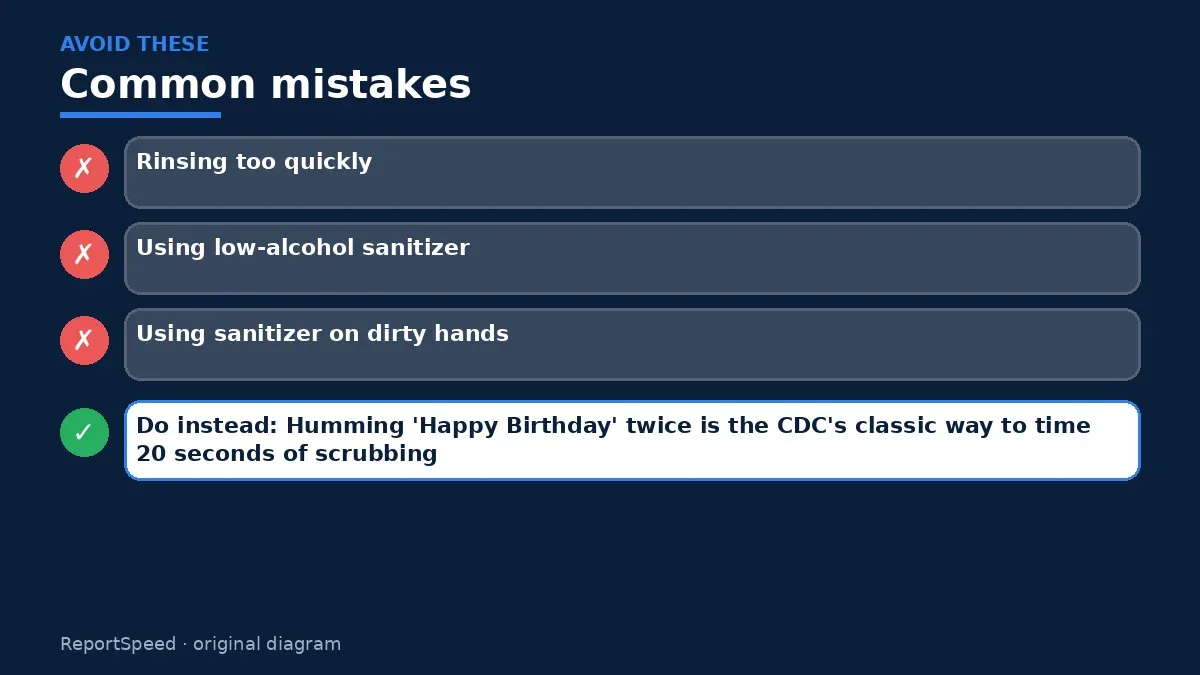
Common mistakes:
- Rinsing too quickly
- Using low-alcohol sanitizer
- Using sanitizer on dirty hands
ReportSpeedMan tip: Humming 'Happy Birthday' twice is the CDC's classic way to time 20 seconds of scrubbing.
What I would actually do
I'd wash with soap whenever there's a sink and keep a 60%+ sanitizer in my bag for the gaps.
The trade-off people miss: sanitizer is fast, but on greasy or dirty hands it works less well and doesn't remove some chemicals, so it isn't a full replacement.
Signs it worked
Washing for 20 seconds is habit and sanitizer is your backup, not your default.
Quick FAQ
Is antibacterial soap better?
Plain soap and water works well.
Hot or cold water?
Either works.
Can I make my own sanitizer?
It's not recommended.
Wrap-up: Wash with soap and water when you can, scrub for 20 seconds, and keep a 60%+ alcohol sanitizer as the backup.
Wiki: Common Cold vs. Flu and Kids and Screen Time.
Hand sanitizer vs washing hands: official sources I checked
Step-by-step photos

1. Before The problem 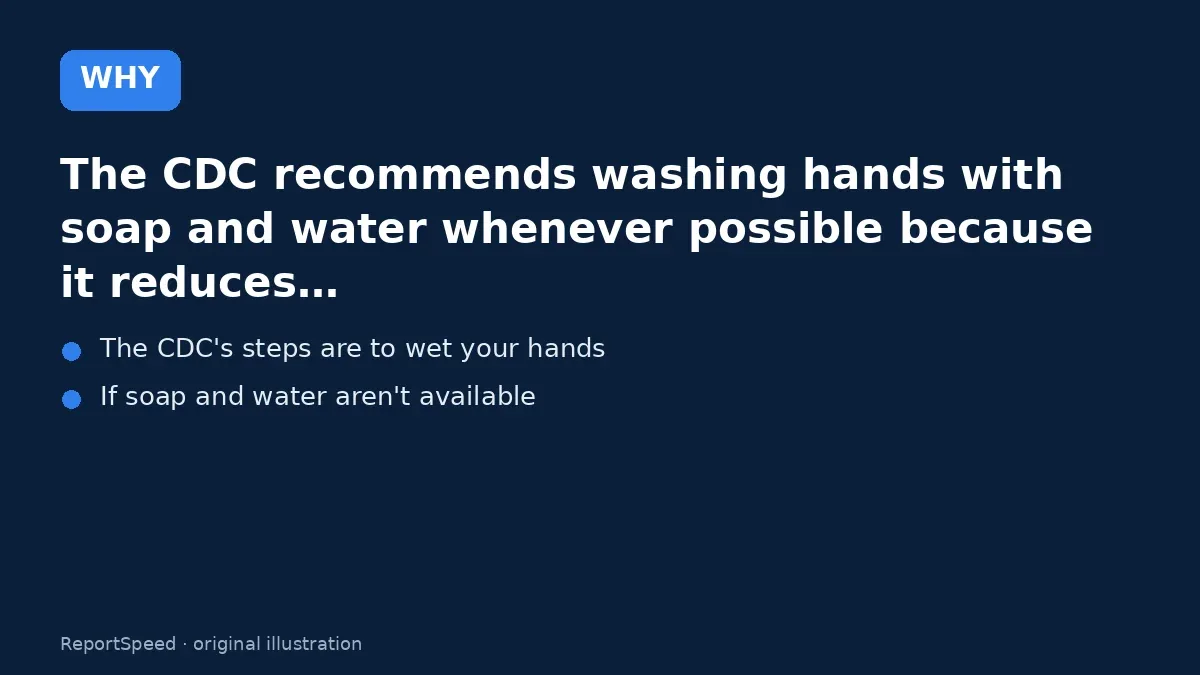
2. Why it happens The cause 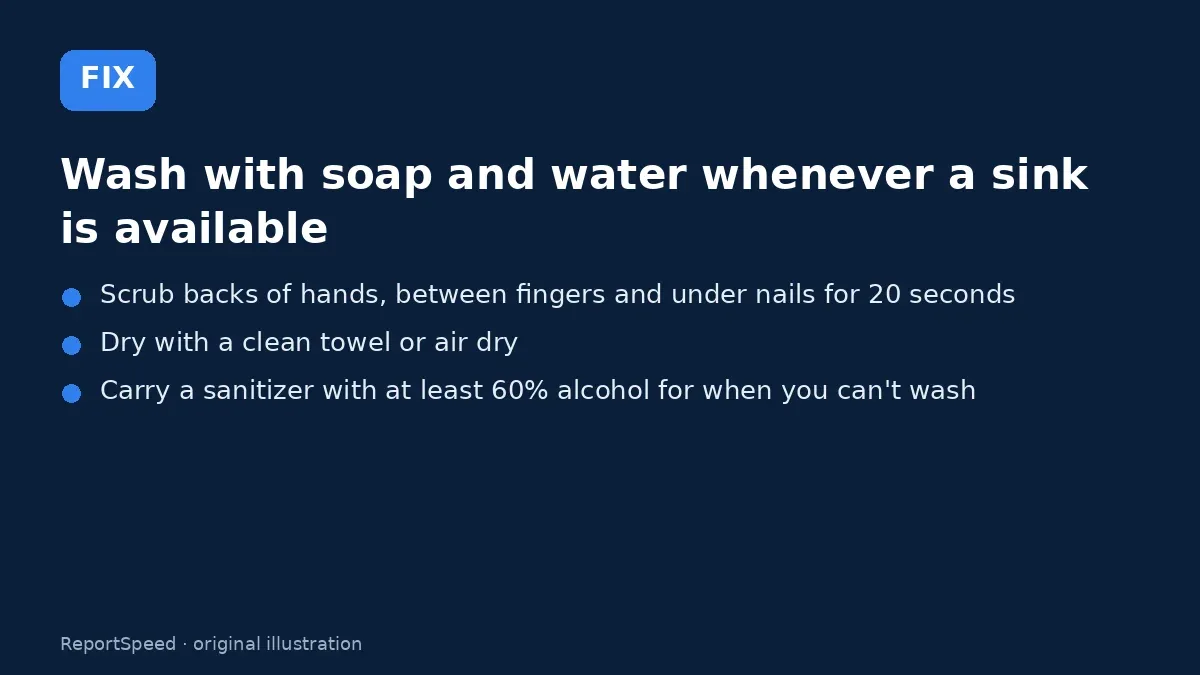
3. The fix The fix 
4. After The result
⚡ Speed Summary
- Wash with soap and water when you can, scrub for 20 seconds, and keep a 60%+ alcohol sanitizer as the backup.
- Humming 'Happy Birthday' twice is the CDC's classic way to time 20 seconds of scrubbing.
- Using sanitizer on visibly dirty hands, or wiping it off before it dries, makes it far less effective.

Was this answer helpful?
Tap a star to rate this answer.
Related questions
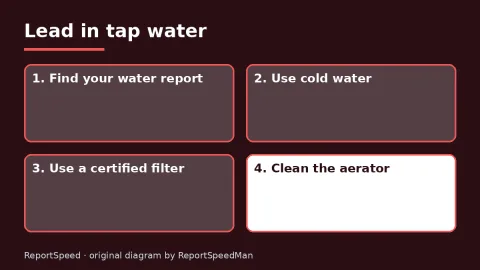
Is there lead in my tap water? How to check and lower your risk
Lead comes from plumbing, can't be seen, and isn't removed by boiling.
Rate itSolved
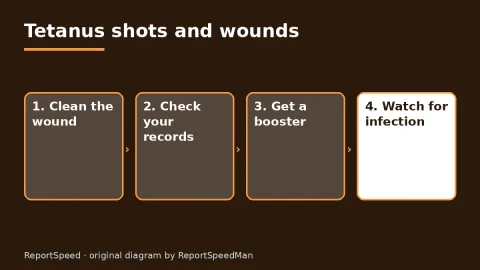
When do I need a tetanus shot? Booster timing and wounds
Boosters are every 10 years, or 5 years for dirty or puncture wounds.
Rate itSolved
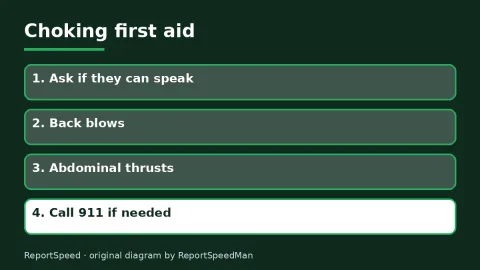
How to help someone who is choking: back blows and abdominal thrusts
Let a strong cough work.
Rate itSolved
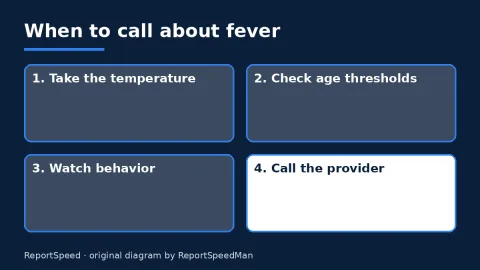
Fever: when to call the doctor for a child or adult
At 8 months, 102.2°F is the call-now line; your baby's 101.5°F means watch closely and call if it rises or warning signs appear.
Rate itSolved
Real experiences
No experiences yet. Be the first to share.