


My 8-month-old has a temperature of 101.5°F and is a bit fussy but still drinking. My partner also has 102°F with a cold. We don't want to panic or overreact. When should we call the doctor about a fever, for the baby and for an adult?
Fever: when to call the doctor for a child or adult
Concerns & risks
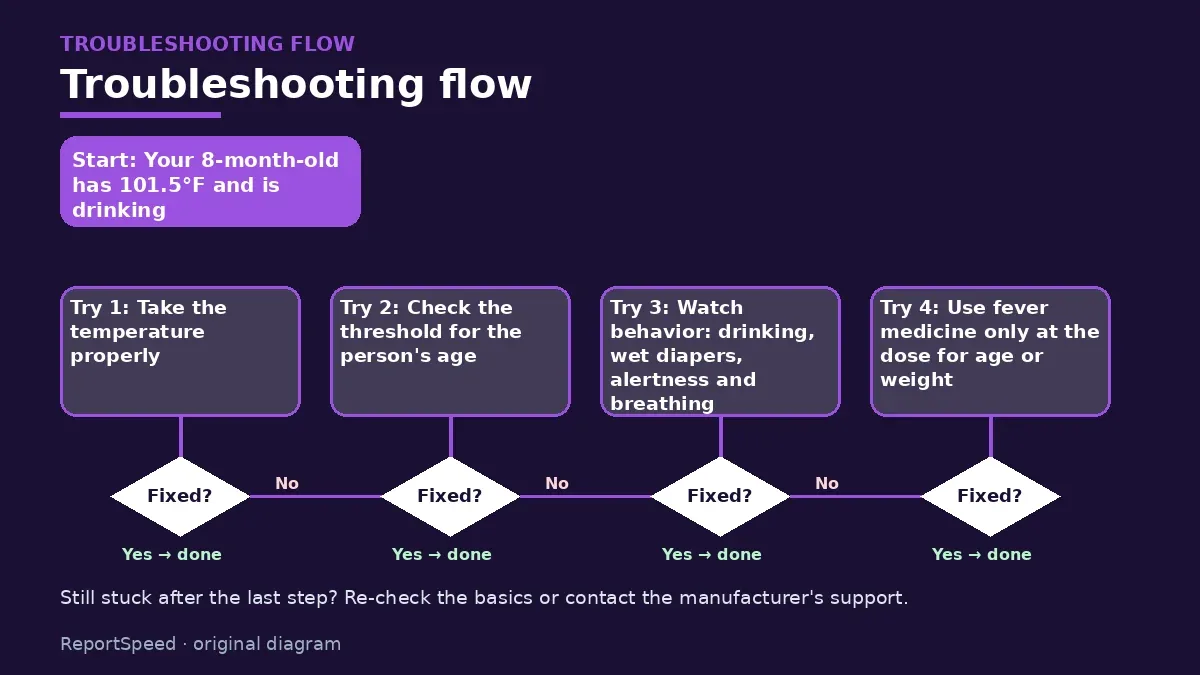
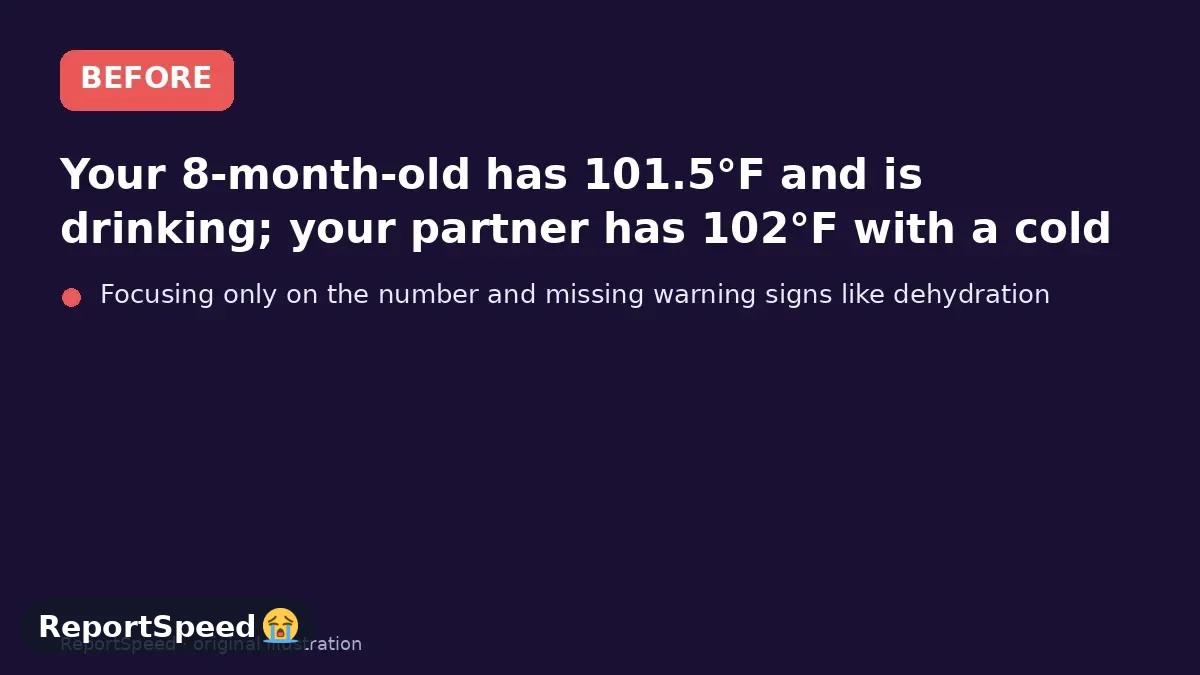
Your 8-month-old has 101.5°F and is drinking; your partner has 102°F with a cold.
| Sign | Action |
|---|---|
| Trouble breathing | Seek care now |
| Stiff neck | Seek care now |
| Very hard to wake | Seek care now |
| Few wet diapers | Call provider |
| Purple-red rash | Seek care now |
| Seizure | Call 9-1-1 |

Causes & evidence
MedlinePlus, from the National Library of Medicine, says a child has a fever at 100.4°F (38°C) or higher measured rectally. Many fevers from viral infections go away on their own, and how a child acts matters more than the number. It advises contacting a child's provider right away if the child is 3 months or younger with a rectal temperature of 100.4°F or higher, is 3 to 12 months old with a fever of 102.2°F (39°C) or higher, is 2 or younger with a fever lasting longer than 24 to 48 hours, or is older with a fever lasting longer than 48 to 72 hours, or has a fever of 105°F or higher. Adults should contact a provider for a fever of 105°F or higher unless it comes down readily with treatment, or a fever that stays at or keeps rising above 103°F, or lasts longer than 48 to 72 hours. Seek help urgently for signs like trouble breathing, a stiff neck, confusion, a rash, or a child who is very hard to wake or won't drink.
Who this applies to: everyone, but infants, older adults and people with weak immune systems need closer watching. Use the right thermometer for age, and follow dosing instructions. Call sooner if your instincts say something is wrong.
Focusing only on the number and missing warning signs like dehydration, breathing trouble or a stiff neck is the bigger risk.
What to do

| Who | Call when |
|---|---|
| Baby 3 months or younger | Rectal 100.4°F (38°C) or higher |
| 3 to 12 months | 102.2°F (39°C) or higher |
| 2 years or younger | Fever over 24–48 hours |
| Older children | Fever over 48–72 hours |
| Adults | 105°F+, or stays at/above 103°F, or over 48–72 hours |
| Anyone | Breathing trouble, stiff neck, confusion, rash, dehydration |
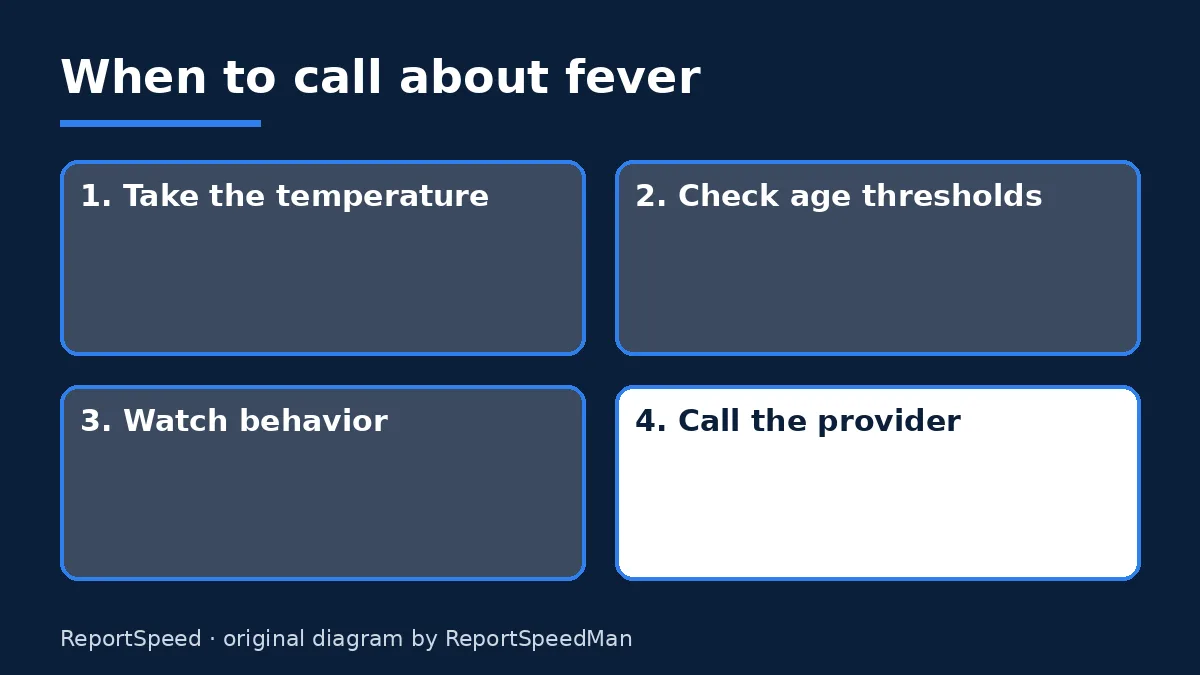
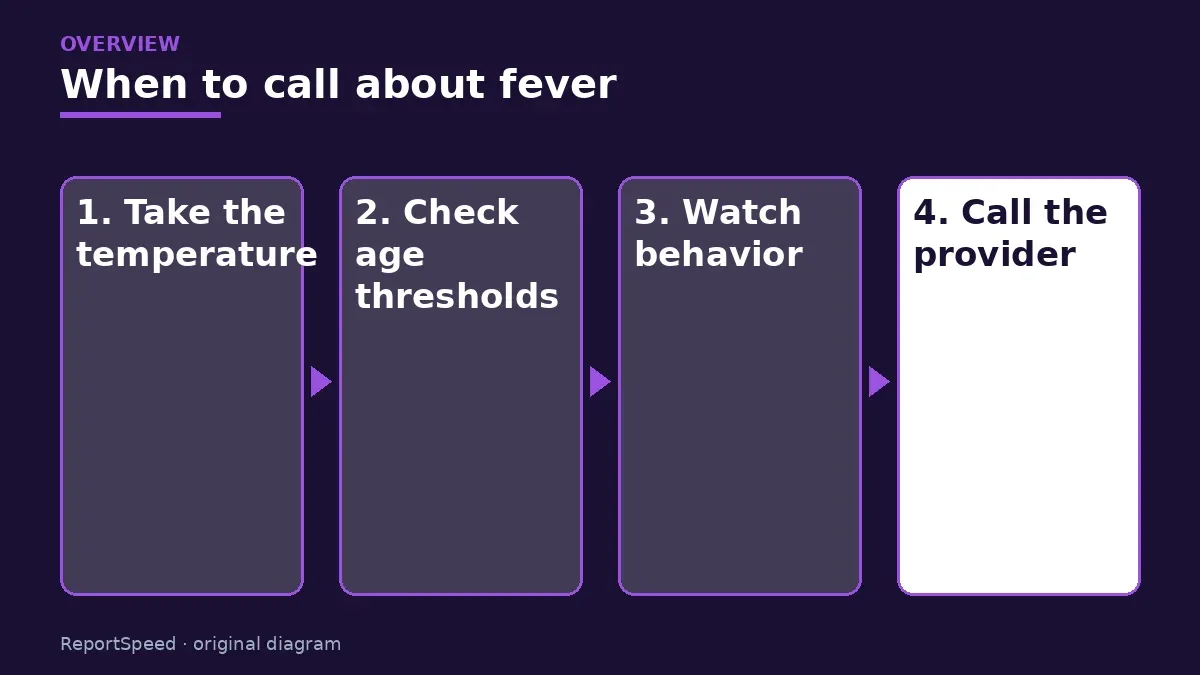
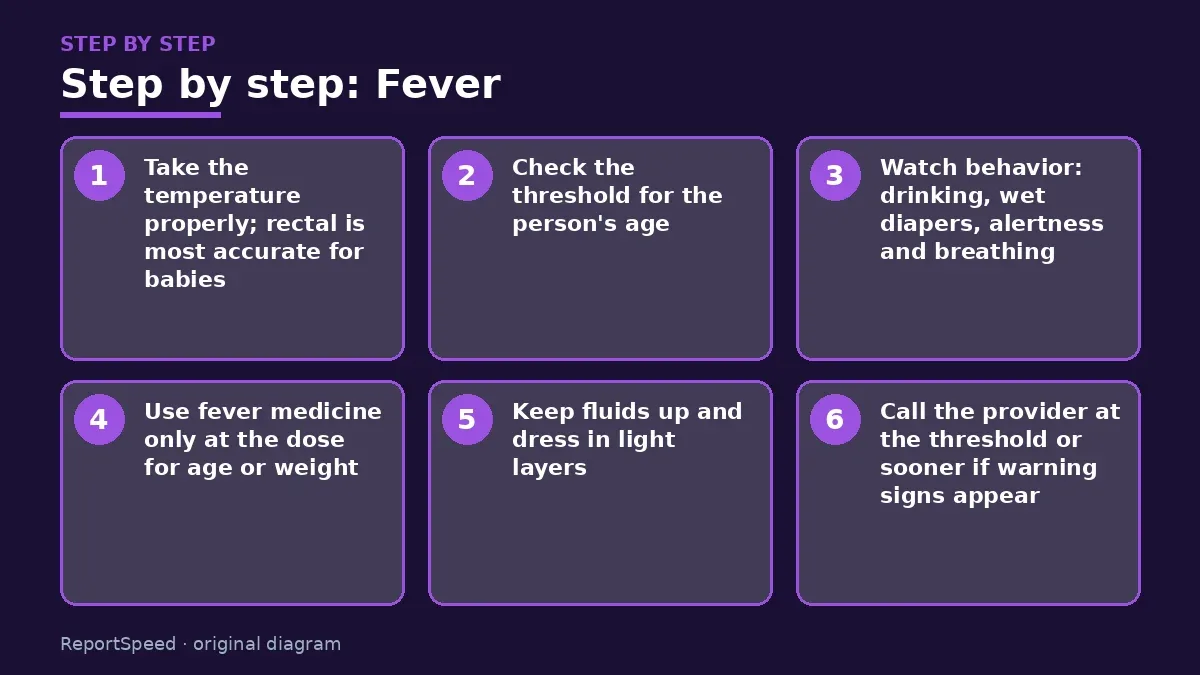
- Take the temperature properly; rectal is most accurate for babies.
- Check the threshold for the person's age.
- Watch behavior: drinking, wet diapers, alertness and breathing.
- Use fever medicine only at the dose for age or weight, and ask first for babies under 3 months.
- Keep fluids up and dress in light layers.
- Call the provider at the threshold or sooner if warning signs appear.
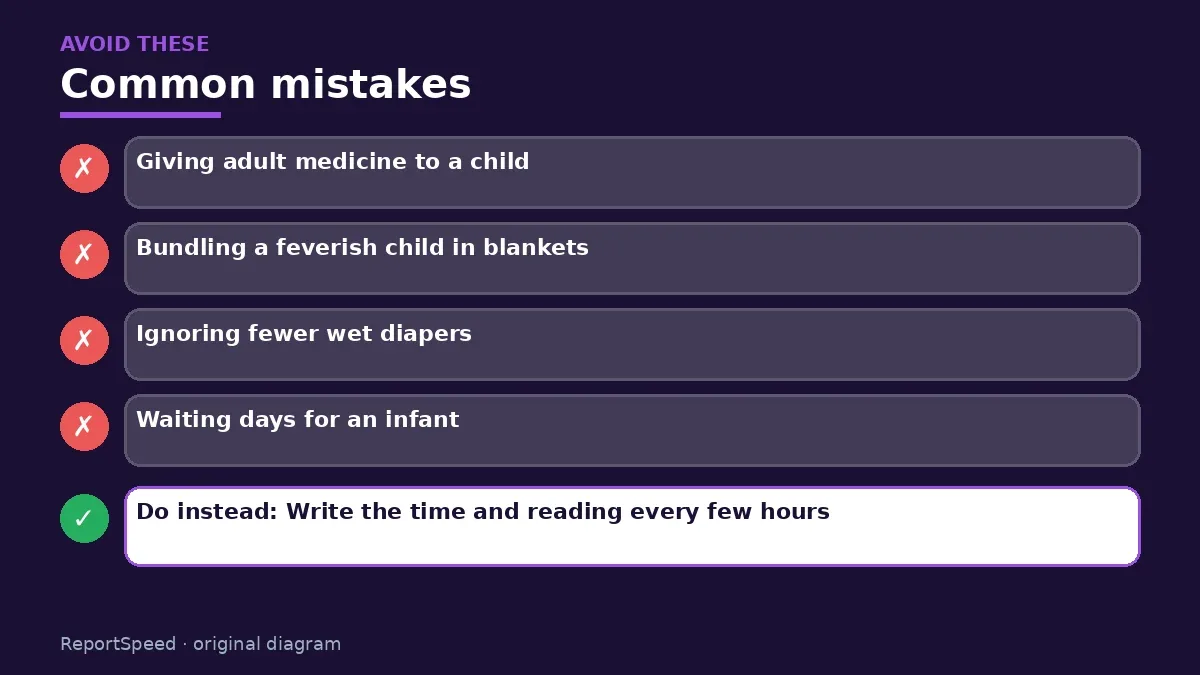
Common mistakes:
- Giving adult medicine to a child
- Bundling a feverish child in blankets
- Ignoring fewer wet diapers
- Waiting days for an infant
ReportSpeedMan tip: Write the time and reading every few hours. When you call, a short log helps the nurse line give clear advice fast.
What I would actually do
I'd keep a temperature log for the baby, watch drinking and wet diapers, and call if it hits 102.2°F or he seems unwell.
The trade-off people miss: bringing a fever down makes a child more comfortable, but the number alone doesn't show how sick they are; behavior matters more.
How to know it worked
You can match the temperature and signs to a clear next step.
Quick FAQ
Is 101°F dangerous?
Not by itself; watch behavior.
Should I give medicine?
Use the right dose; ask first for babies under 3 months.
When is it urgent?
Breathing trouble, stiff neck, confusion or rash.
Wrap-up: At 8 months, 102.2°F is the call-now line; your baby's 101.5°F means watch closely and call if it rises or warning signs appear. Your partner can rest unless 103°F persists or other signs appear.
Wiki: Common Cold vs. Flu and Kids and Screen Time.
Fever: where the facts come from
Step-by-step photos
1. Before The problem 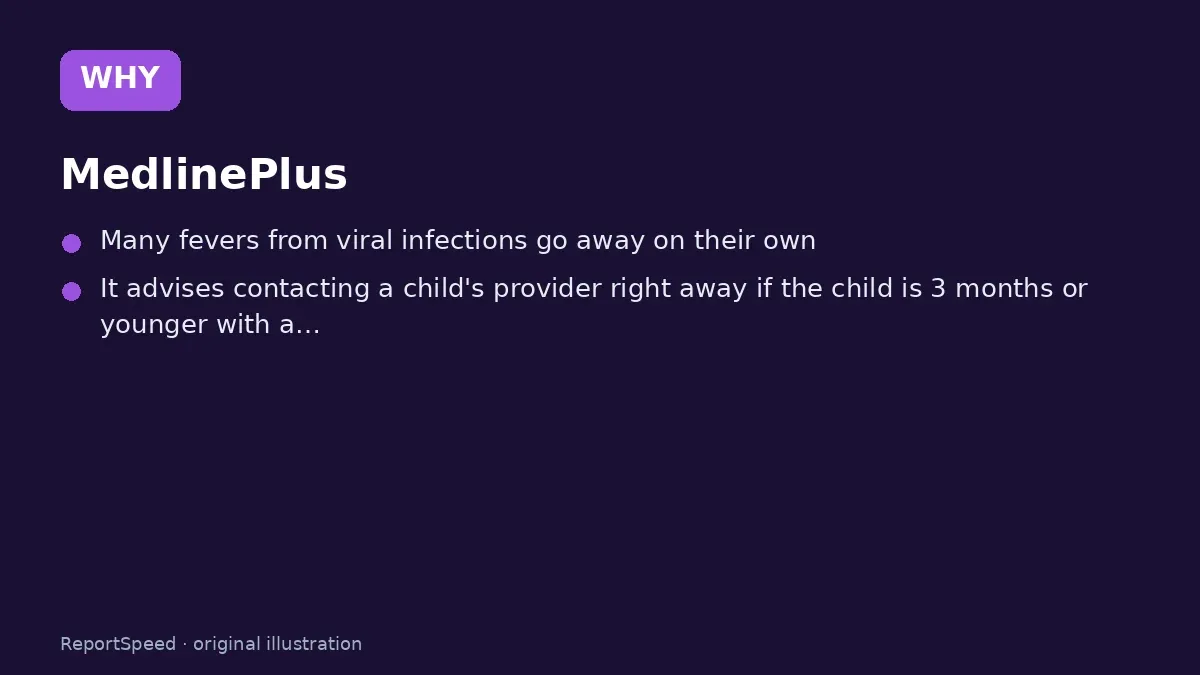
2. Why it happens The cause 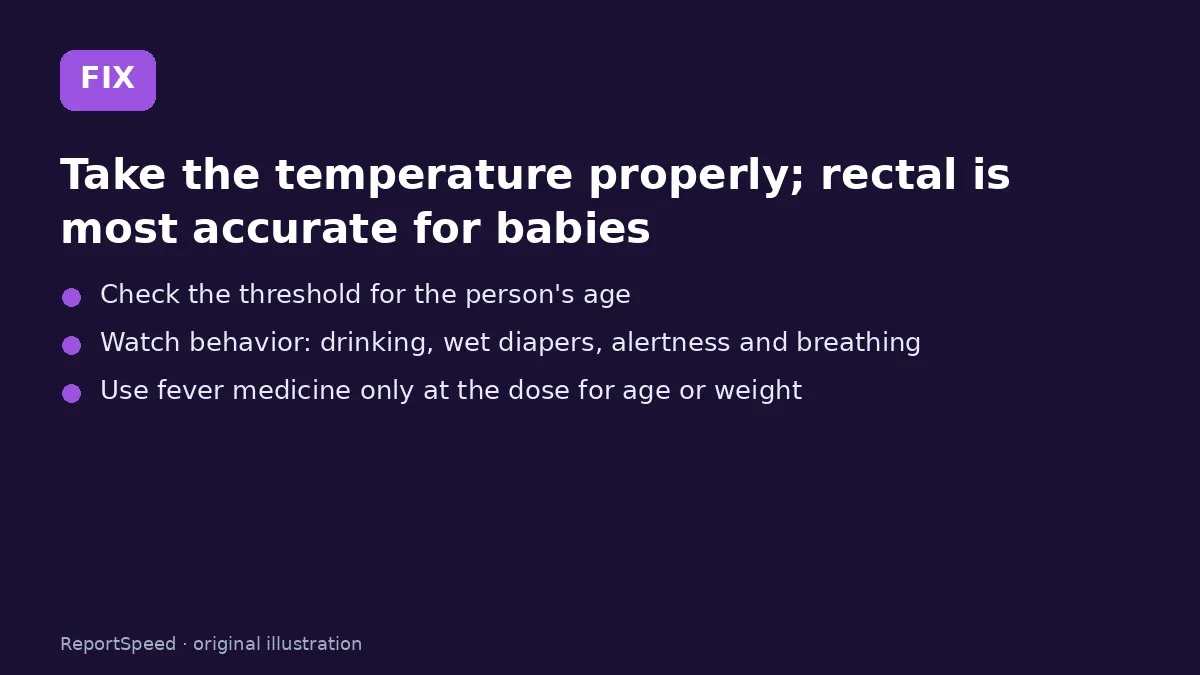
3. The fix The fix 
4. After The result
⚡ Speed Summary
- At 8 months, 102.2°F is the call-now line; your baby's 101.5°F means watch closely and call if it rises or warning signs appear.
- Write the time and reading every few hours. When you call, a short log helps the nurse line give clear advice fast.
- Focusing only on the number and missing warning signs like dehydration, breathing trouble or a stiff neck is the bigger risk.

Was this answer helpful?
Tap a star to rate this answer.
Related questions
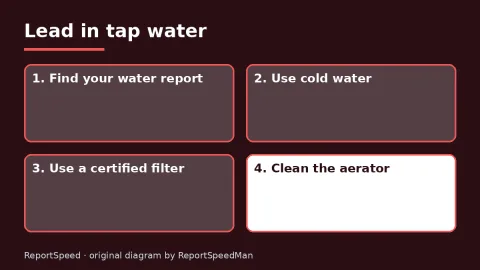
Is there lead in my tap water? How to check and lower your risk
Lead comes from plumbing, can't be seen, and isn't removed by boiling.
Rate itSolved
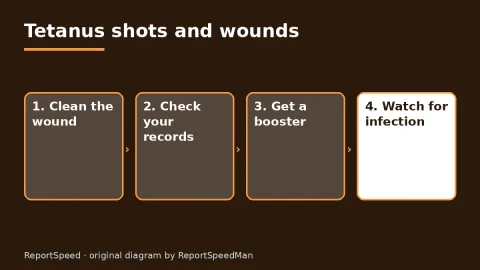
When do I need a tetanus shot? Booster timing and wounds
Boosters are every 10 years, or 5 years for dirty or puncture wounds.
Rate itSolved
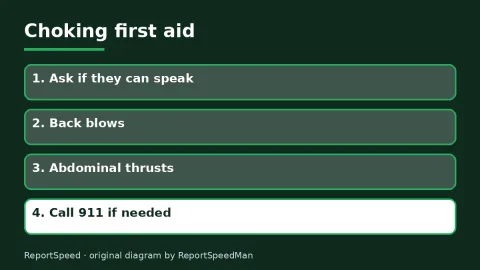
How to help someone who is choking: back blows and abdominal thrusts
Let a strong cough work.
Rate itSolved
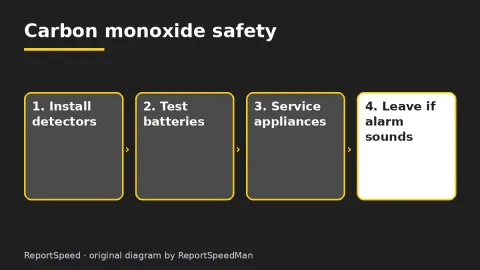
Carbon monoxide poisoning: symptoms and how to prevent it at home
Install detectors near bedrooms, test them twice a year, replace every five years, service appliances yearly, and leave immediately if the alarm sounds.
Rate itSolved
Real experiences
No experiences yet. Be the first to share.