


I got a flu shot two years ago and didn't get sick last winter even without one. My coworkers are split on whether it's worth it every year. Why does the flu vaccine have to be repeated annually, and when is the best time to get it?
Do I really need a flu shot every year?
Concerns & risks
You've had the flu shot before, you're unsure whether you need it again this season, and you want to know the best timing.
| Place | Notes |
|---|---|
| Pharmacy | Often walk-in |
| Doctor's office | Good for people with health conditions |
| Workplace clinics | Check with HR |
| Community clinics | Ask your local health department |
Causes & evidence
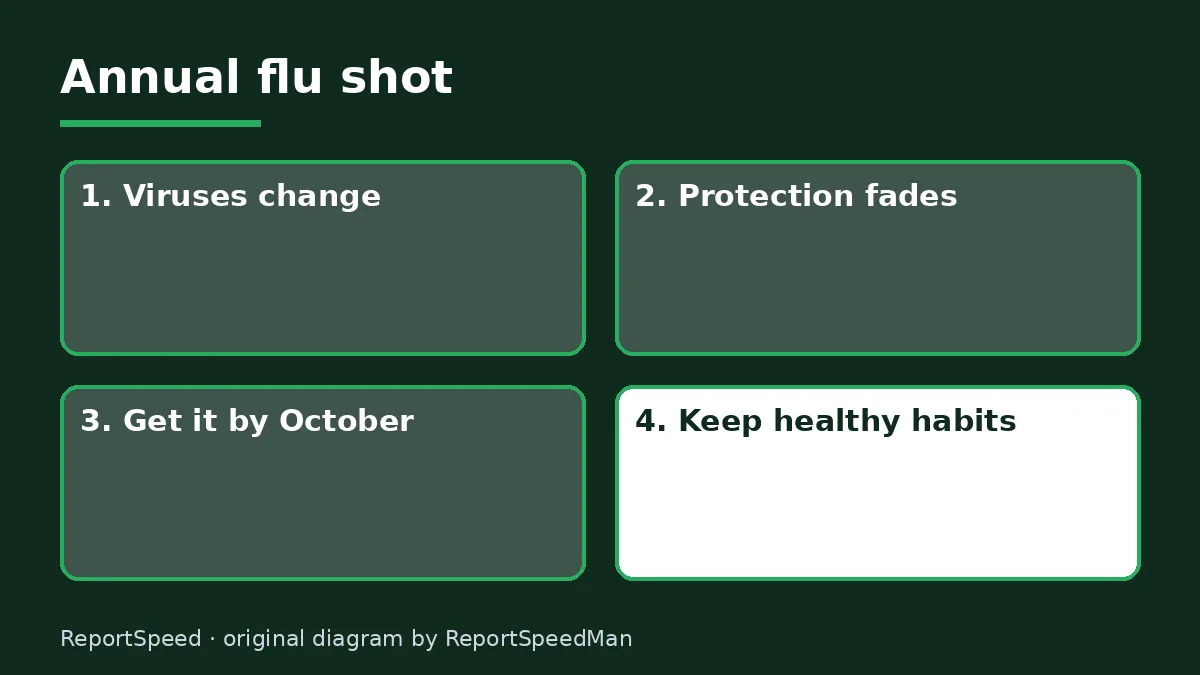
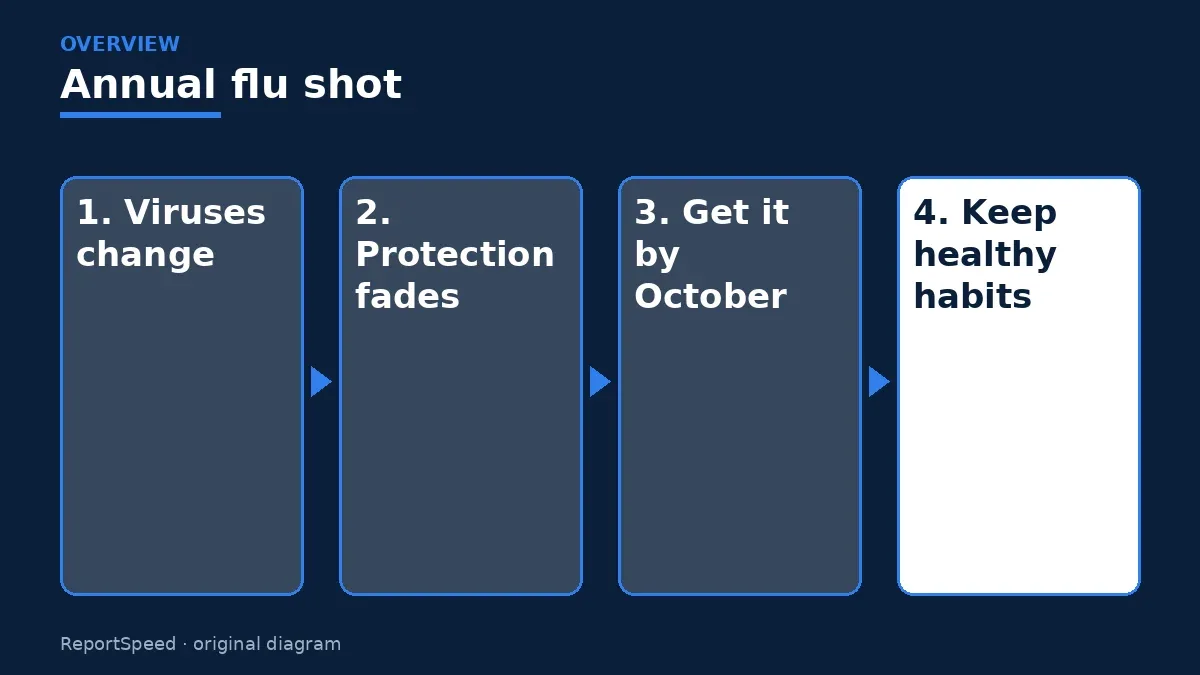
The CDC recommends a flu vaccine every season for everyone 6 months and older, with rare exceptions. Two reasons drive the annual timing: flu viruses change, so vaccines are updated each year to match the strains expected to circulate, and protection from the vaccine declines over time. The CDC says September and October are generally good times to get vaccinated, ideally by the end of October, though getting it later in the season is still worthwhile. The vaccine reduces the risk of flu illness and of serious complications that can lead to hospitalisation.
It takes about two weeks after vaccination for protection to build, according to the CDC, which is why earlier autumn timing is suggested. People at higher risk, such as adults 65 and older, pregnant people and those with chronic conditions, benefit most from not delaying.
Assuming last year's shot still protects you means going into flu season with weaker, mismatched protection.
What to do
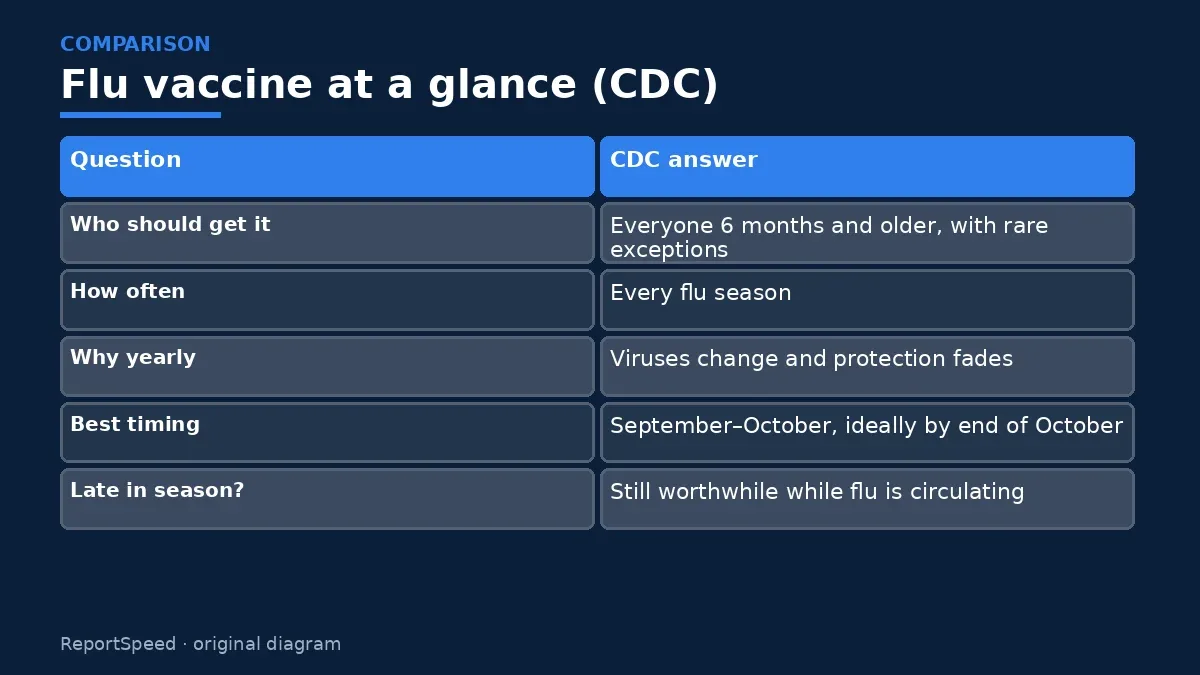
| Question | CDC answer |
|---|---|
| Who should get it | Everyone 6 months and older, with rare exceptions |
| How often | Every flu season |
| Why yearly | Viruses change and protection fades |
| Best timing | September–October, ideally by end of October |
| Late in season? | Still worthwhile while flu is circulating |
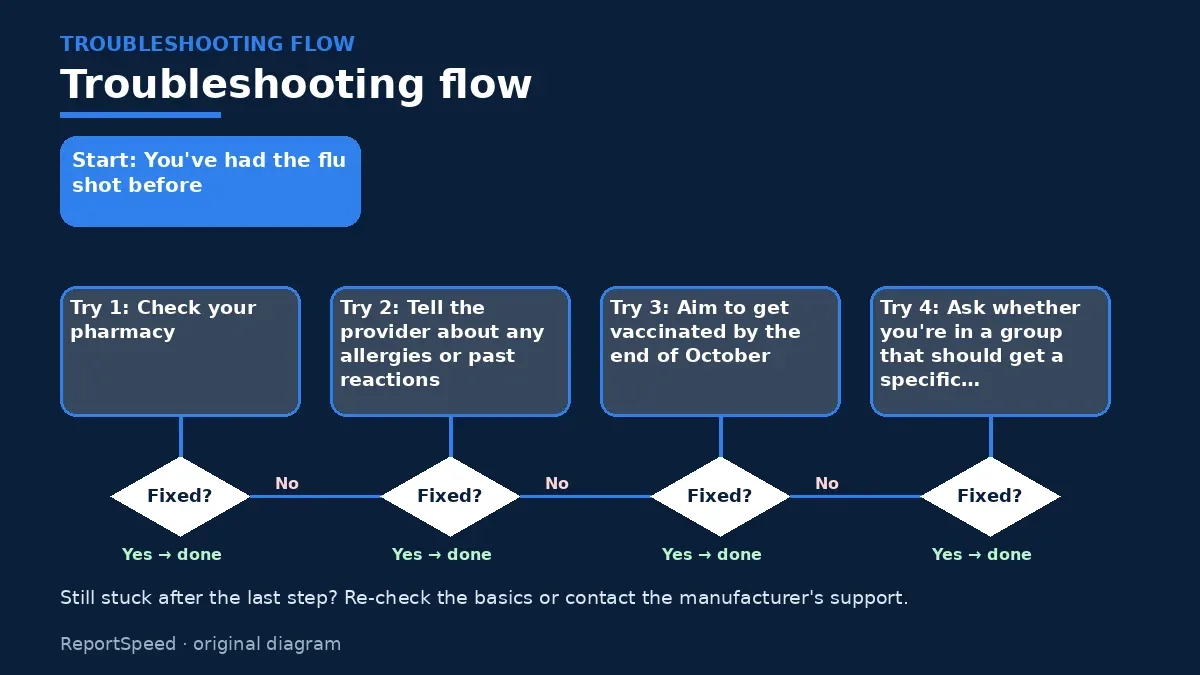
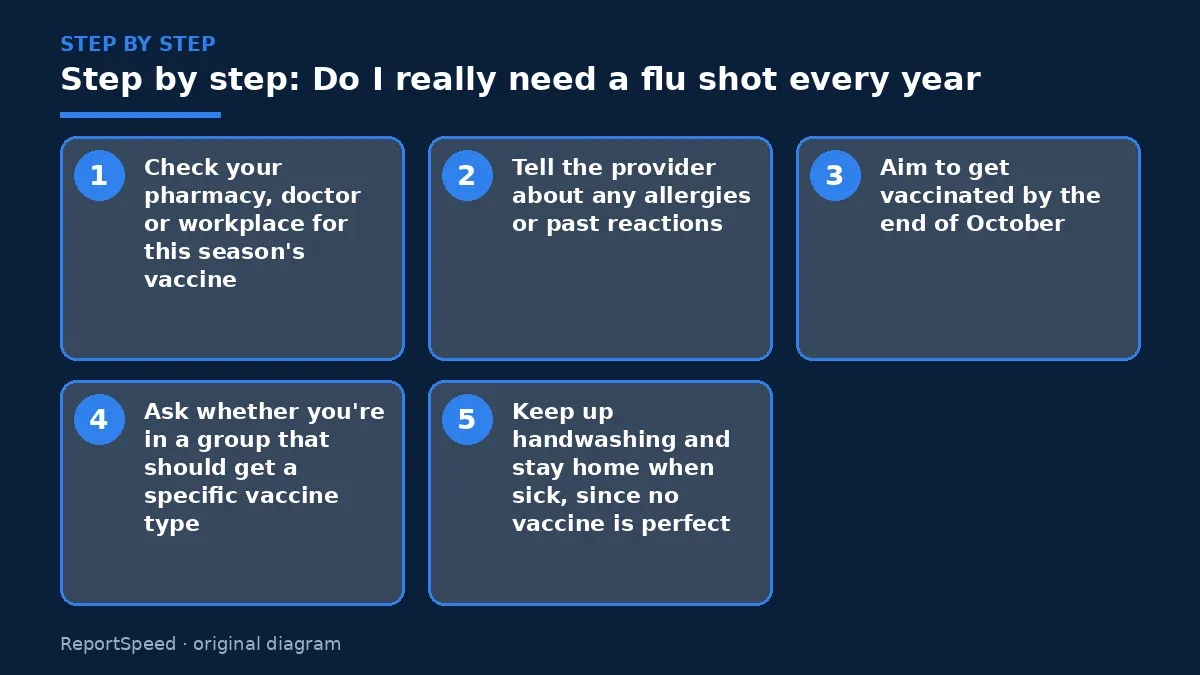
- Check your pharmacy, doctor or workplace for this season's vaccine.
- Tell the provider about any allergies or past reactions.
- Aim to get vaccinated by the end of October.
- Ask whether you're in a group that should get a specific vaccine type.
- Keep up handwashing and stay home when sick, since no vaccine is perfect.
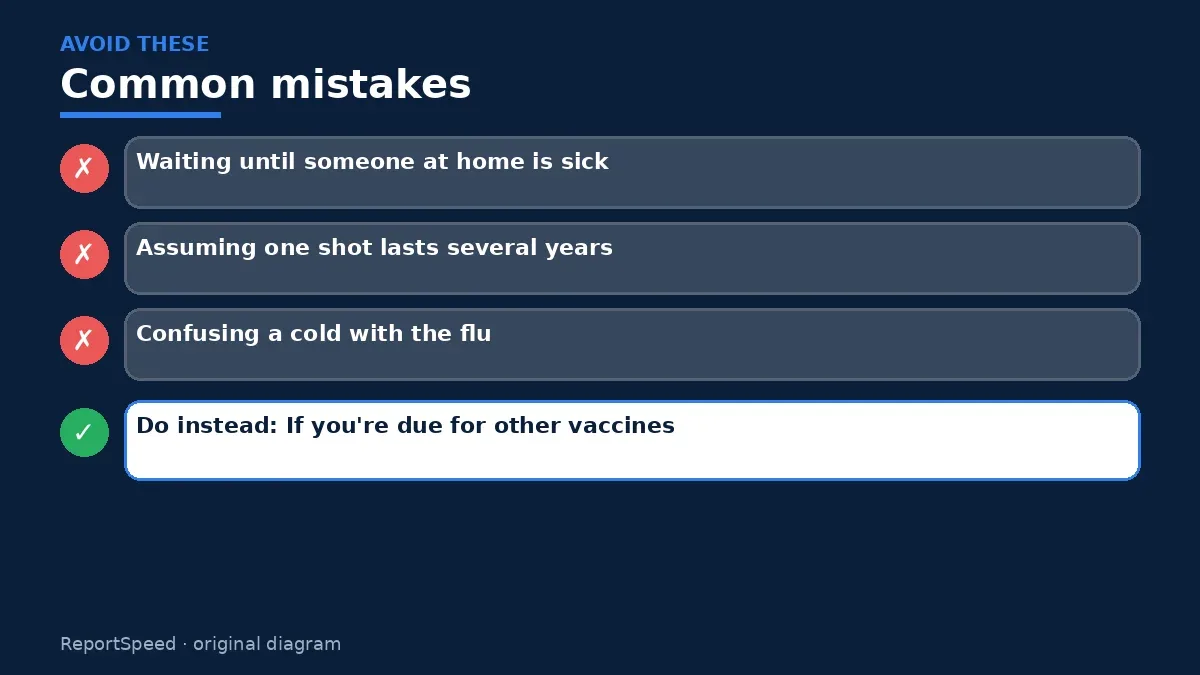
Common mistakes:
- Waiting until someone at home is sick
- Assuming one shot lasts several years
- Confusing a cold with the flu
ReportSpeedMan tip: If you're due for other vaccines, ask whether they can be given at the same visit; the CDC notes many can be given together.
What I would actually do
get the shot at a pharmacy in early October and keep washing hands through the season.
The trade-off people miss: the vaccine isn't perfect, but it also lowers the chance of serious illness if you do catch the flu.
Signs it worked
You're vaccinated for this season, ideally by the end of October.
Quick FAQ
Can the flu shot give me flu?
No; the injected vaccines don't cause flu.
Is it too late in winter?
Not while flu is still circulating.
Do kids need two doses?
Some children need two doses; ask your provider.
Wrap-up: Get a flu shot each season, ideally by the end of October. It's updated every year for a reason.
Wiki: Common Cold vs. Flu and Fever Basics.
Do I really need a flu shot every year: where the facts come from
Step-by-step photos
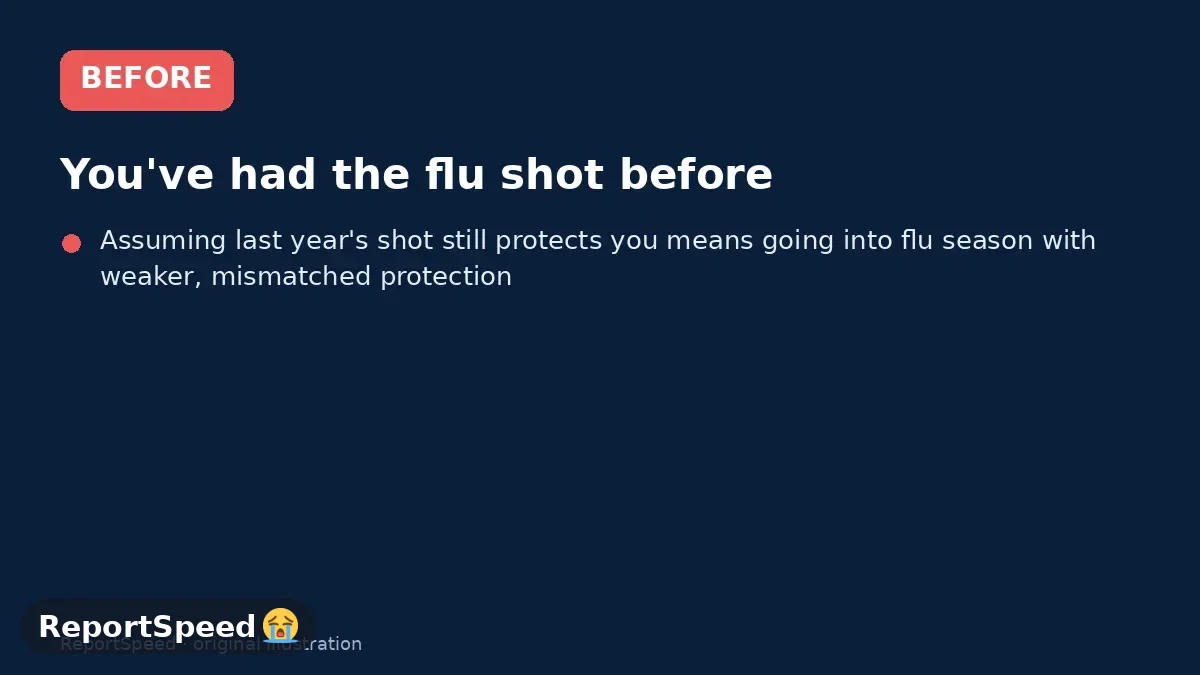
1. Before The problem 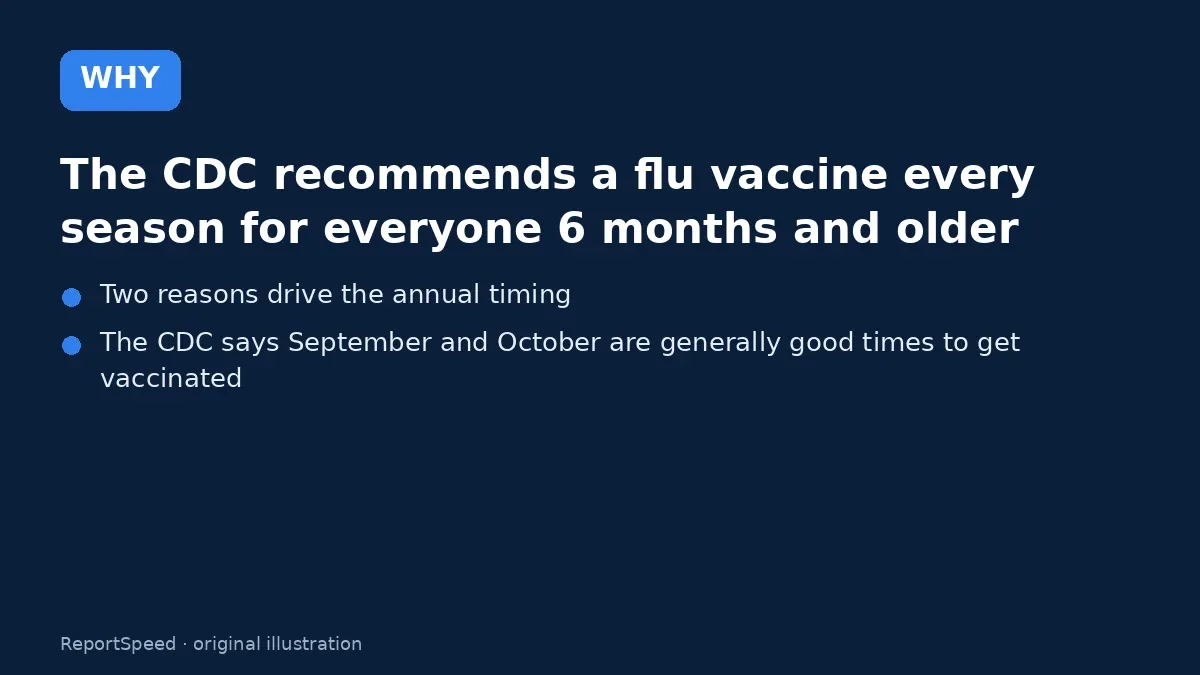
2. Why it happens The cause 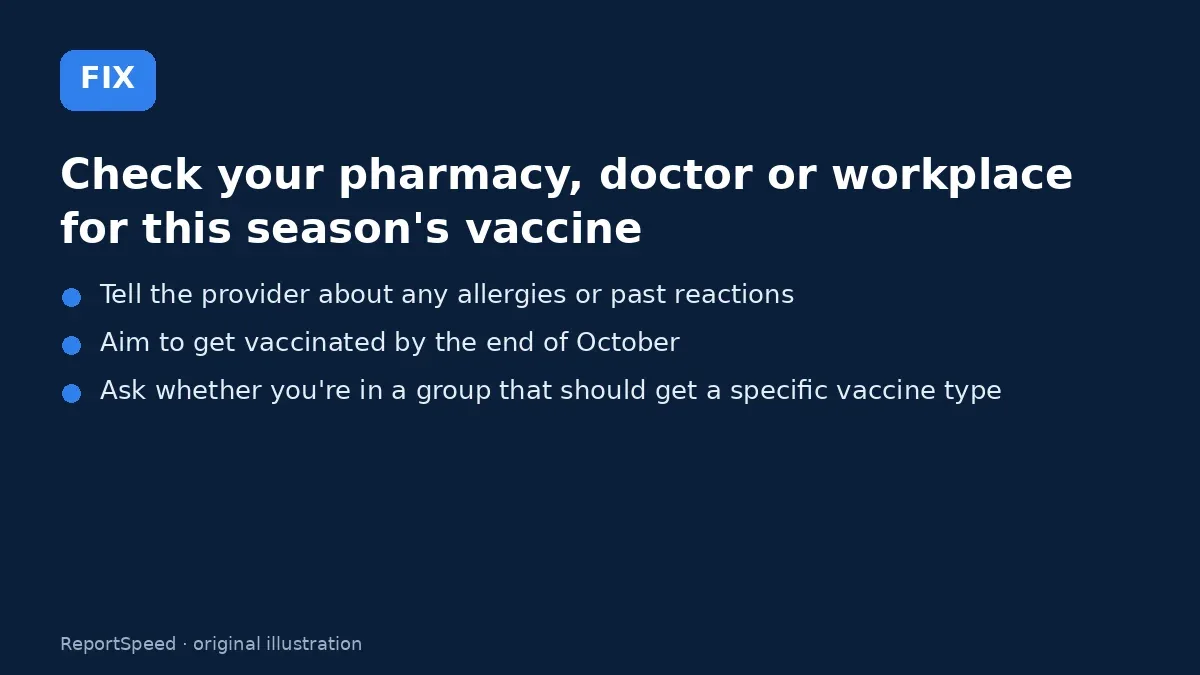
3. The fix The fix 
4. After The result
⚡ Speed Summary
- Get a flu shot each season, ideally by the end of October.
- If you're due for other vaccines, ask whether they can be given at the same visit; the CDC notes many can be given together.
- Assuming last year's shot still protects you means going into flu season with weaker, mismatched protection.

Was this answer helpful?
Tap a star to rate this answer.
Related questions
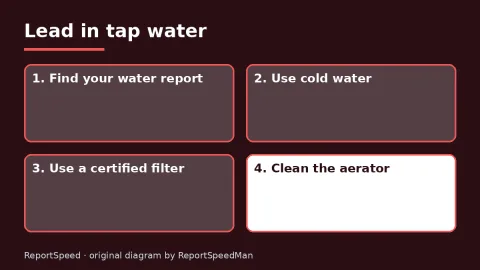
Is there lead in my tap water? How to check and lower your risk
Lead comes from plumbing, can't be seen, and isn't removed by boiling.
Rate itSolved
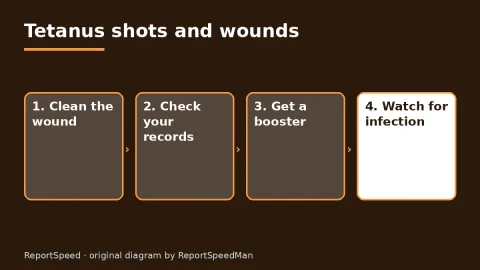
When do I need a tetanus shot? Booster timing and wounds
Boosters are every 10 years, or 5 years for dirty or puncture wounds.
Rate itSolved
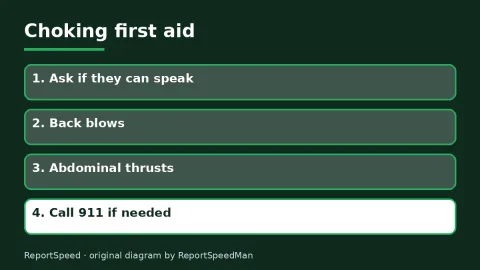
How to help someone who is choking: back blows and abdominal thrusts
Let a strong cough work.
Rate itSolved
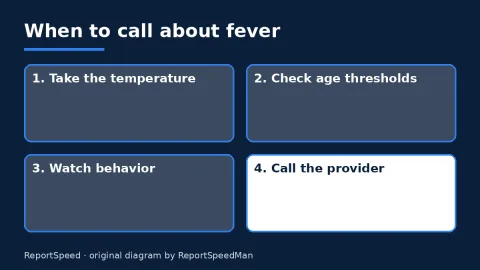
Fever: when to call the doctor for a child or adult
At 8 months, 102.2°F is the call-now line; your baby's 101.5°F means watch closely and call if it rises or warning signs appear.
Rate itSolved
Real experiences
No experiences yet. Be the first to share.