


My dad is 81 and still drives everywhere. Lately he's had a couple of small scrapes on the car and got lost coming home from a store he's been to a hundred times. He gets defensive if I bring it up. How do I tell whether he's still safe, and how do I start that conversation without wrecking our relationship?
How do I know when an older parent should stop driving?
Concerns & risks
An older parent still drives, you've noticed warning signs, and you're worried about their safety but don't want to take away their independence unfairly.
| Step | What it changes |
|---|---|
| Daytime-only driving | Avoids glare and night vision issues |
| Familiar local routes | Reduces navigation stress |
| No highway driving | Avoids high-speed merges |
| Rides and rideshare backup | Keeps errands possible |
Causes & evidence
Age alone doesn't determine driving ability; changes in vision, reaction time, medications, joint flexibility and memory do. The Insurance Institute for Highway Safety notes that older drivers are more likely to be injured in crashes because they are more fragile, and that many self-regulate by avoiding night or highway driving. NHTSA lists warning signs such as getting lost on familiar routes, close calls, new dents and trouble judging gaps in traffic. A doctor or a driver rehabilitation specialist can assess skills objectively, which takes the judgement out of the family's hands.
NHTSA offers resources for families, and many states allow doctors or family to request a driving review. Rules vary by state.
Waiting for a serious crash to start the conversation is the outcome everyone wants to avoid.
What to do
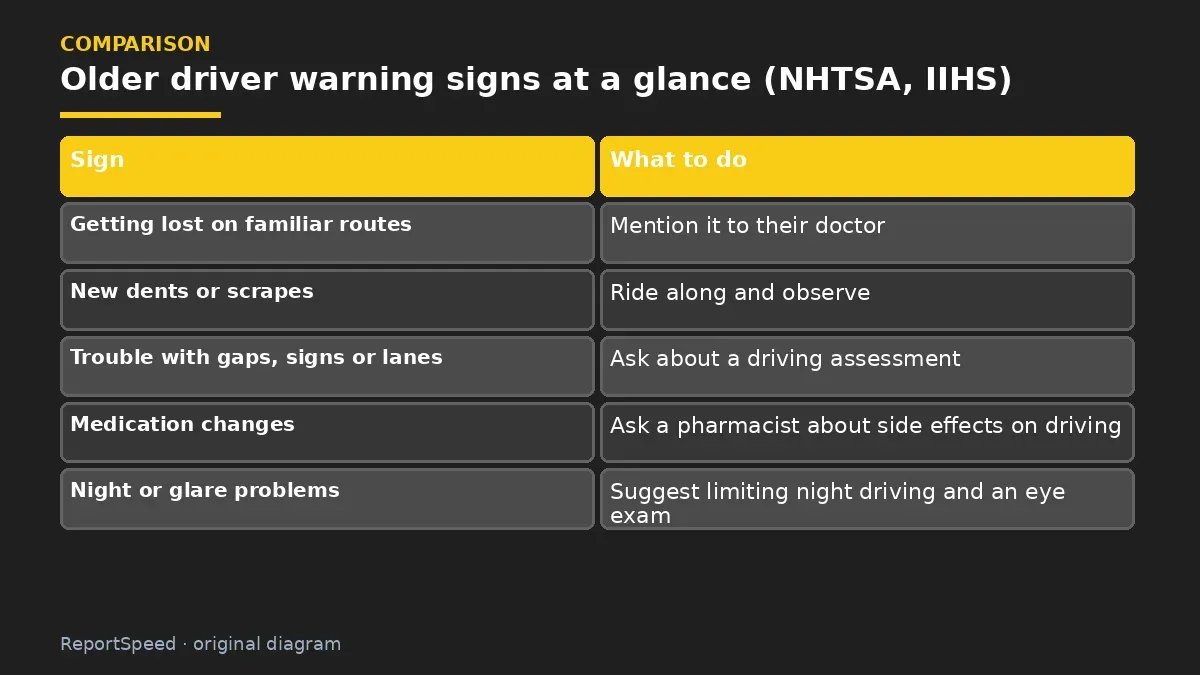
| Sign | What to do |
|---|---|
| Getting lost on familiar routes | Mention it to their doctor |
| New dents or scrapes | Ride along and observe |
| Trouble with gaps, signs or lanes | Ask about a driving assessment |
| Medication changes | Ask a pharmacist about side effects on driving |
| Night or glare problems | Suggest limiting night driving and an eye exam |
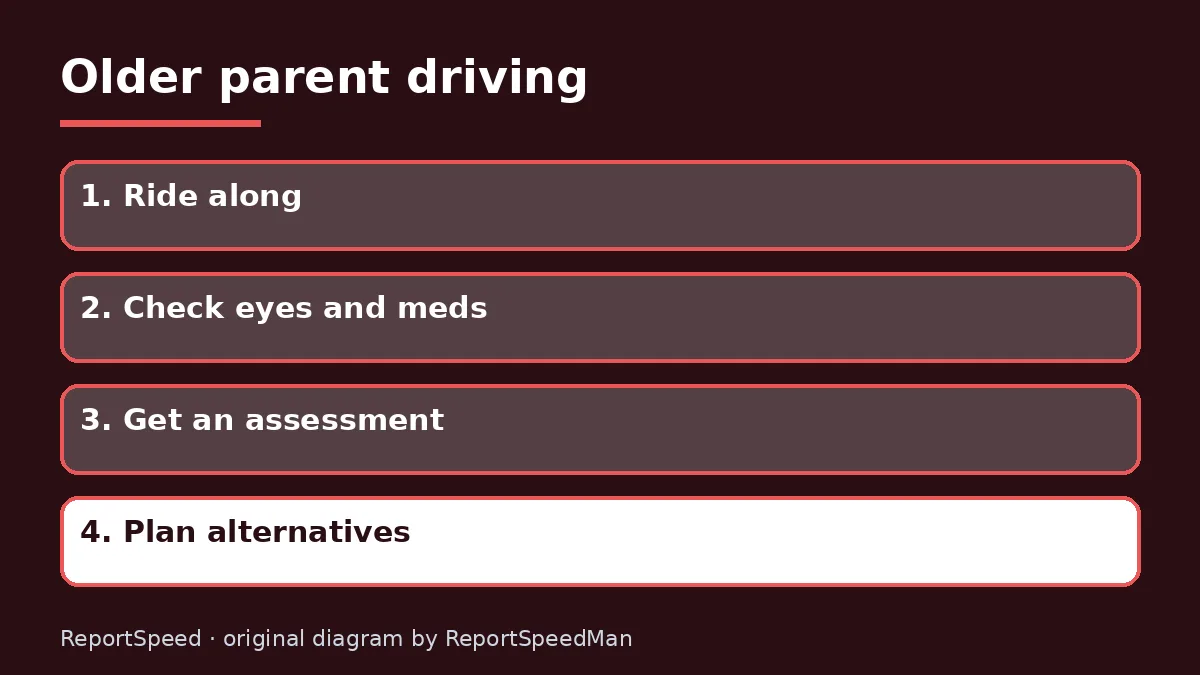
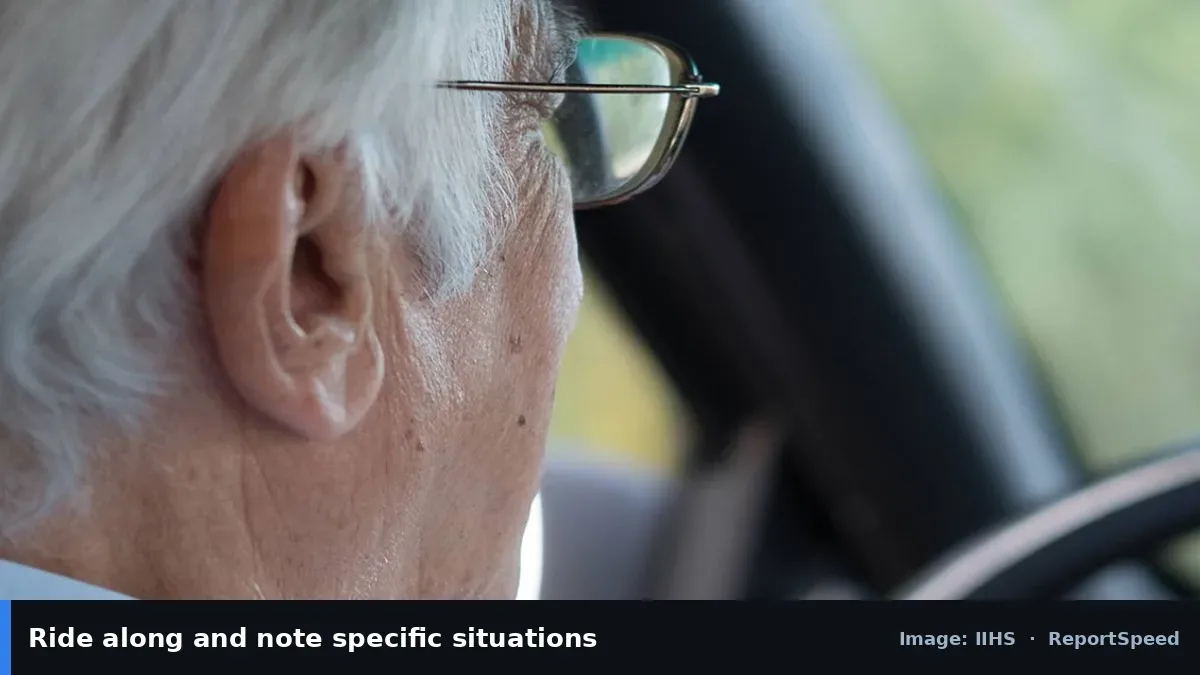
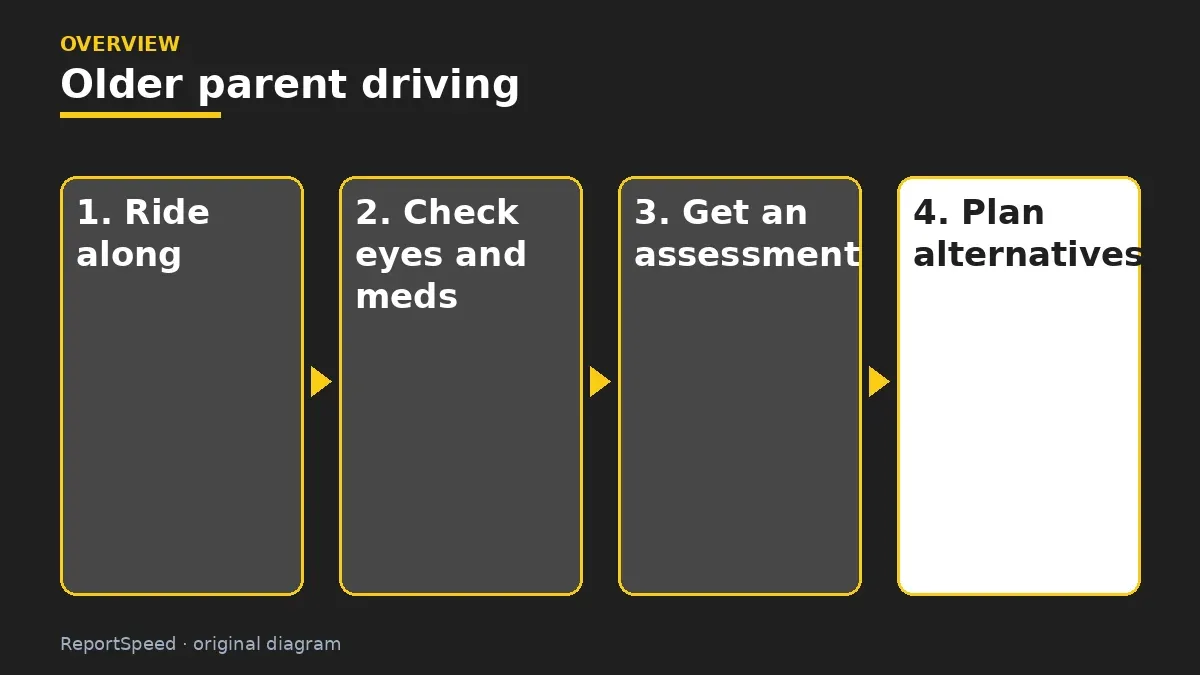
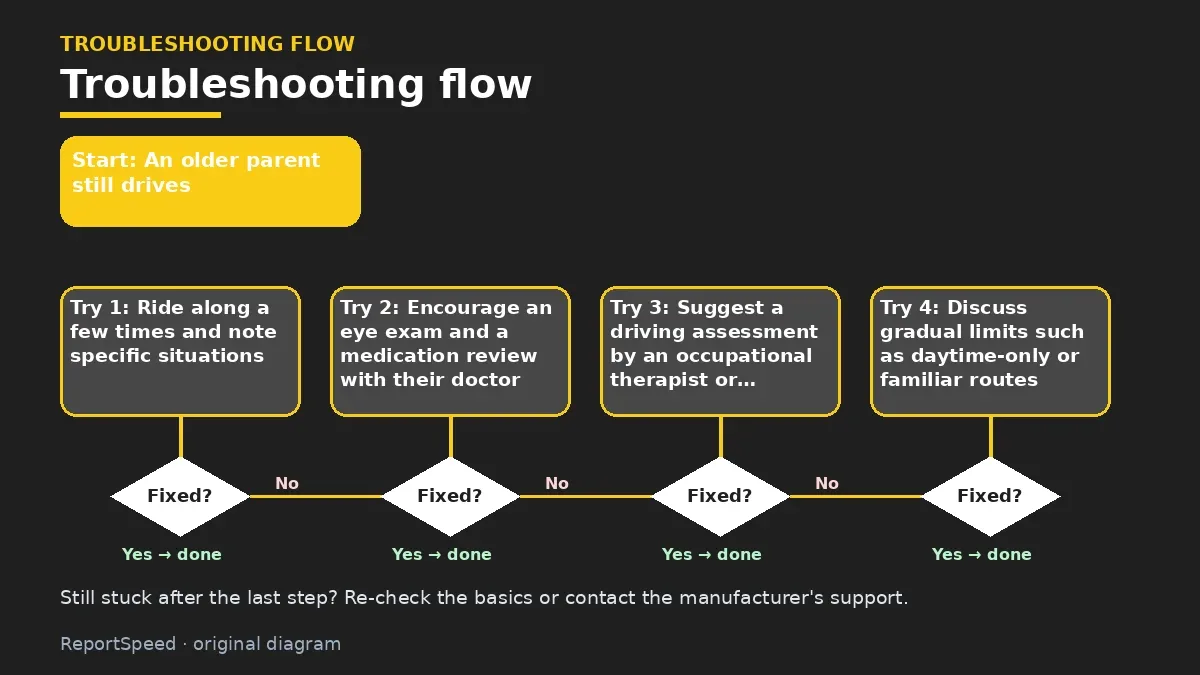
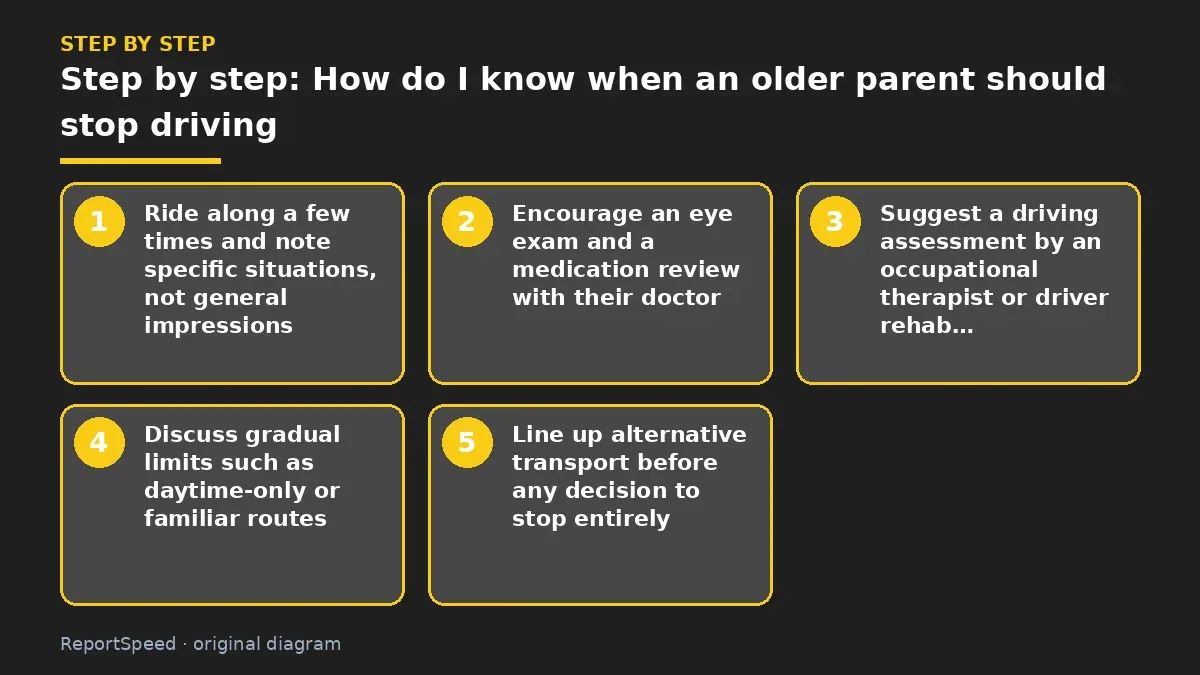
- Ride along a few times and note specific situations, not general impressions.
- Encourage an eye exam and a medication review with their doctor.
- Suggest a driving assessment by an occupational therapist or driver rehab specialist.
- Discuss gradual limits such as daytime-only or familiar routes.
- Line up alternative transport before any decision to stop entirely.
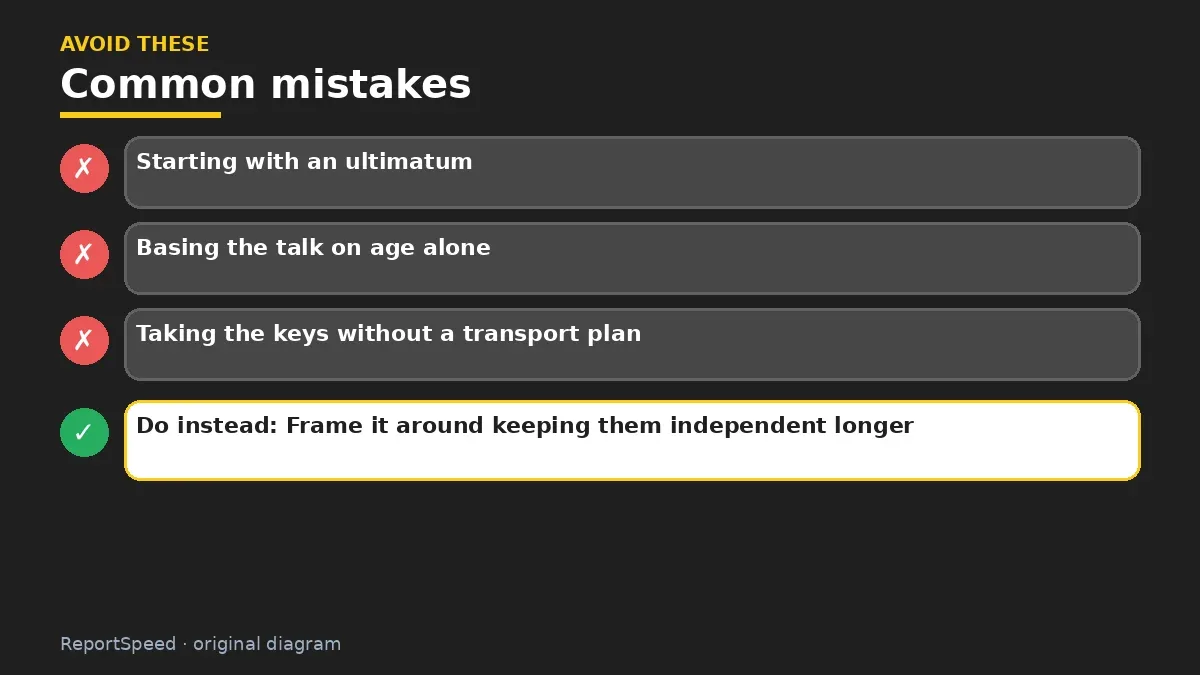
Common mistakes:
- Starting with an ultimatum
- Basing the talk on age alone
- Taking the keys without a transport plan
ReportSpeedMan tip: Frame it around keeping them independent longer, not taking something away; offering rides and setting up rideshare apps together helps a lot.
What I would actually do
ride along a few times, then bring specific observations to Dad's doctor and ask about a formal driving assessment, while setting up rides so stopping never means being stuck.
The trade-off people miss: losing driving can lead to isolation, which has its own health risks, so transport alternatives are part of safety.
Checking that it worked
Your parent has an assessment or plan, and transport alternatives are ready if needed.
Quick FAQ
Who can assess driving?
Occupational therapists and certified driver rehabilitation specialists.
Will the DMV take a license?
States have review processes; rules vary.
What if they refuse to stop?
Involve their doctor and check your state's reporting options.
Wrap-up: Observe, involve their doctor and plan alternatives together. A gradual, respectful approach keeps both safety and the relationship intact.
Wiki: Caregiver Stress.
How do I know when an older parent should stop driving: where the facts come from
Step-by-step photos
1. Before The problem 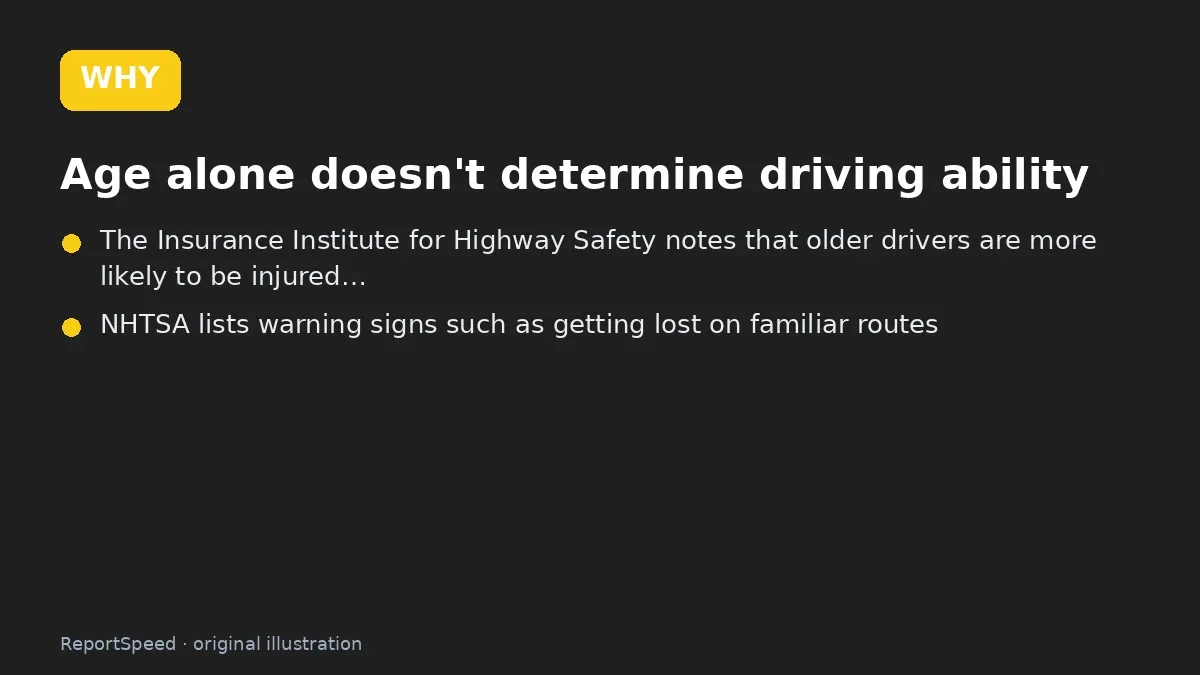
2. Why it happens The cause 
3. The fix The fix 
4. After The result
⚡ Speed Summary
- Observe, involve their doctor and plan alternatives together.
- Frame it around keeping them independent longer, not taking something away; offering rides and setting up rideshare apps together helps a lot.
- Waiting for a serious crash to start the conversation is the outcome everyone wants to avoid.

Was this answer helpful?
Tap a star to rate this answer.
Related questions

How far should I sit from the steering wheel airbag?
Keep 10 inches from the air bag cover, tilt the wheel toward your chest, and keep kids 12 and under in the back.
Rate itSolved
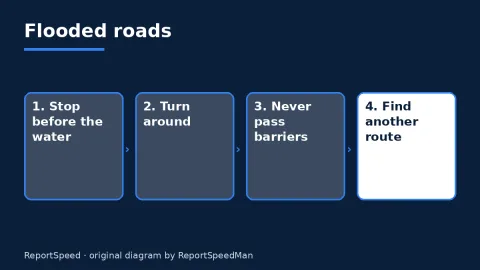
Is it safe to drive through a flooded road? How much water can float a car
Never drive into flood water; a foot of rushing water can carry most cars.
Rate itSolved
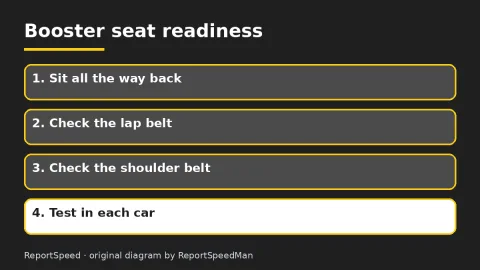
When can my child stop using a booster seat?
Keep the booster until the seat belt fits across the thighs and chest, and keep kids 12 and under in the back.
Rate itSolved
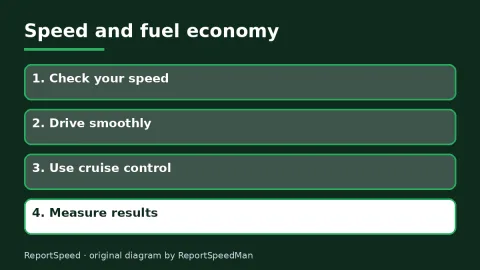
Does driving faster really waste gas? Speed and fuel economy
Above 50 mph mileage drops quickly, roughly like $0.30 more per gallon for each extra 5 mph.
Rate itSolved
Real experiences
No experiences yet. Be the first to share.