


We bought an older house with a gas furnace, gas water heater and an attached garage. I've heard carbon monoxide is dangerous because you can't smell it. What are the carbon monoxide poisoning symptoms, where should detectors go, and what else should we do to keep the family safe?
Carbon monoxide poisoning: symptoms and how to prevent it at home
Concerns & risks
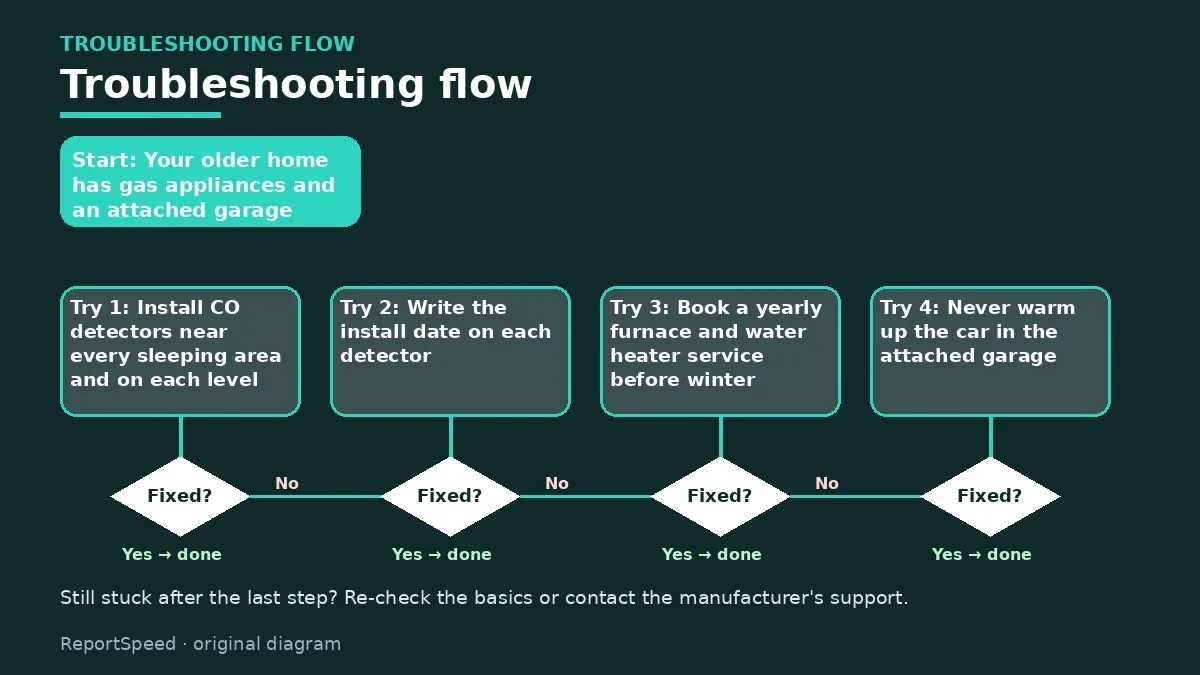
Your older home has gas appliances and an attached garage, and you want to set it up safely.
| Area | What to do |
|---|---|
| Bedrooms | Detector in the hallway outside |
| Each level | At least one detector |
| Garage | Never run car or generator inside |
| Furnace room | Yearly service |
| Kitchen | Never heat home with gas range |
| Outdoors | Generator 20+ feet from openings |

Causes & evidence
The CDC explains that carbon monoxide (CO) is an odorless, colorless gas produced whenever fuel is burned in cars, small engines, stoves, lanterns, grills, fireplaces, gas ranges or furnaces. The most common symptoms of CO poisoning are headache, dizziness, weakness, upset stomach, vomiting, chest pain and confusion, often described as flu-like; people who are sleeping or drunk can die before having symptoms. The CDC recommends installing a battery-operated or battery-backup CO detector in your home, checking or replacing the battery when you change the time on your clocks each spring and fall, and replacing the detector every five years. Have your heating system, water heater and any other gas, oil or coal-burning appliances serviced by a qualified technician every year. Never use a generator, charcoal grill or camp stove inside a home, garage or basement, or within 20 feet of a window, door or vent, and never run a car in a garage attached to your house even with the door open. If the detector sounds, leave the home immediately and call 911.
Edge cases: CO detectors aren't a substitute for maintenance. RVs, boats and cabins with fuel-burning heaters need detectors too. People who are asleep or have been drinking may not notice symptoms.
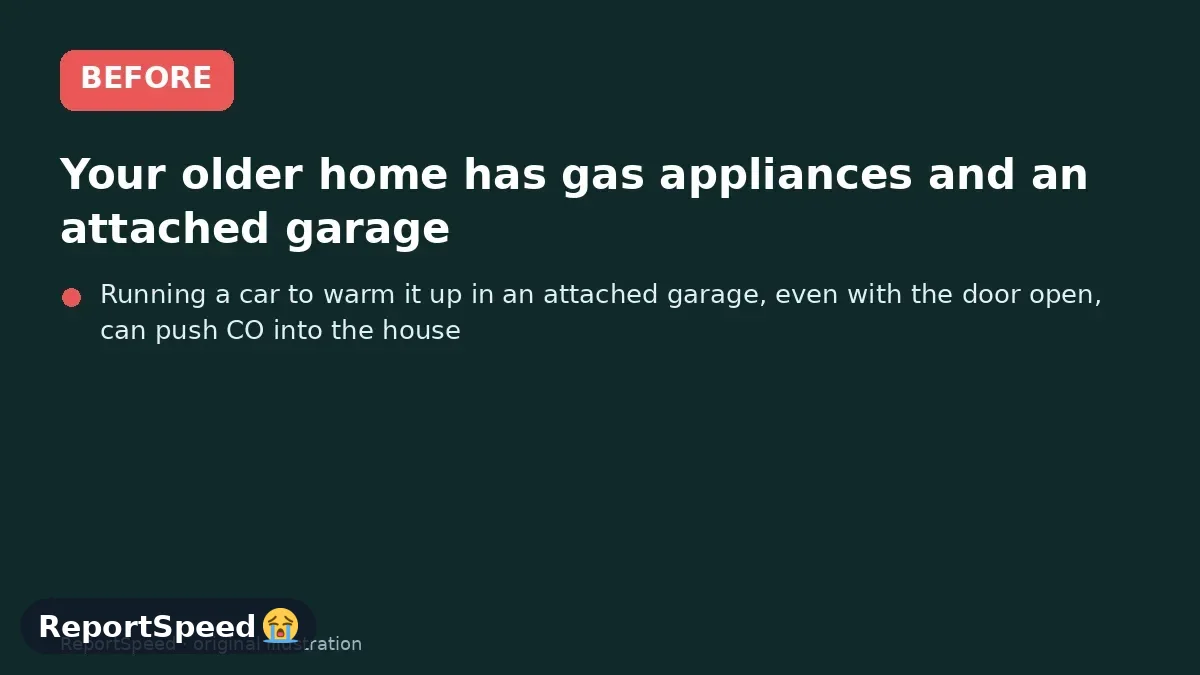
Running a car to warm it up in an attached garage, even with the door open, can push CO into the house.
What to do
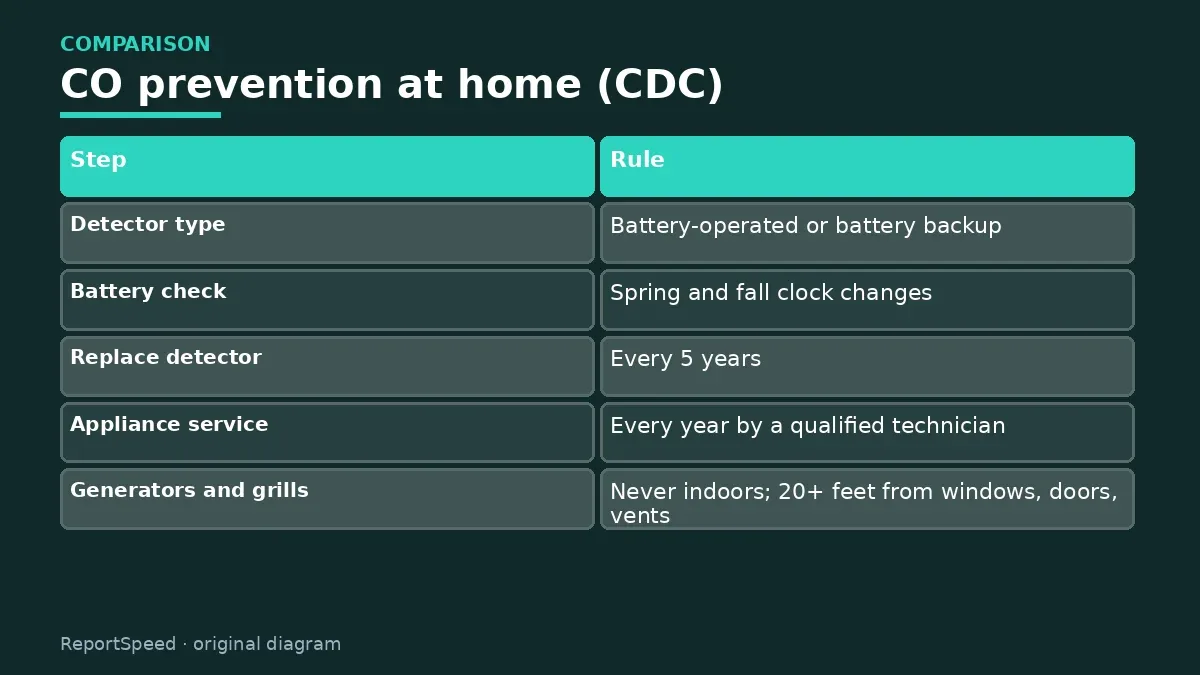
| Step | Rule |
|---|---|
| Detector type | Battery-operated or battery backup |
| Battery check | Spring and fall clock changes |
| Replace detector | Every 5 years |
| Appliance service | Every year by a qualified technician |
| Generators and grills | Never indoors; 20+ feet from windows, doors, vents |
| Alarm sounds | Leave immediately, call 911 |
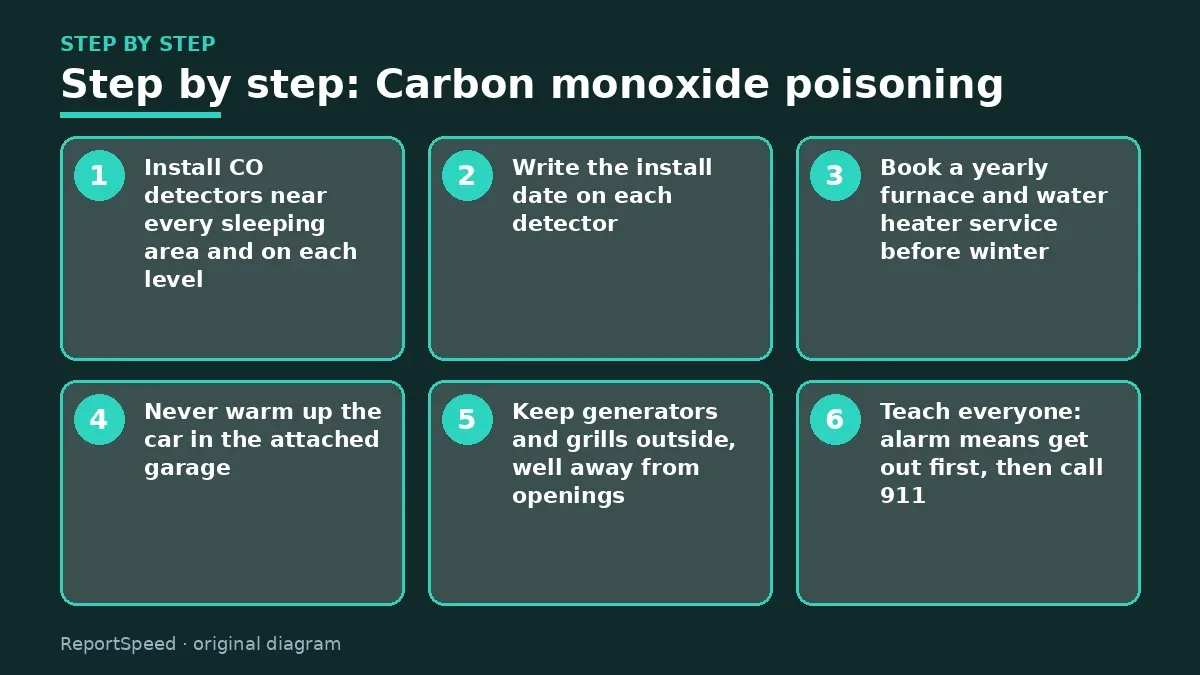
- Install CO detectors near every sleeping area and on each level.
- Write the install date on each detector.
- Book a yearly furnace and water heater service before winter.
- Never warm up the car in the attached garage.
- Keep generators and grills outside, well away from openings.
- Teach everyone: alarm means get out first, then call 911.

Common mistakes:
- Treating flu-like symptoms in several people as a cold
- Using a generator in the garage
- Ignoring an expired detector
- Opening windows and staying inside after an alarm
ReportSpeedMan tip: If everyone feels better away from home and worse back inside, treat that pattern as a CO warning and get checked.
What I would actually do
I'd install battery-backup CO detectors near every bedroom and on each level, book a furnace service in fall, and ban car warm-ups in the garage.
The trade-off people miss: yearly service costs money, but a well-maintained furnace is also safer and often more efficient.
Proof that it worked
Detectors are near every bedroom and the furnace is serviced.
Quick FAQ
Where do detectors go?
Near sleeping areas and on each level.
How often to replace?
Every 5 years or per the maker.
What if it beeps?
Leave and call 911.
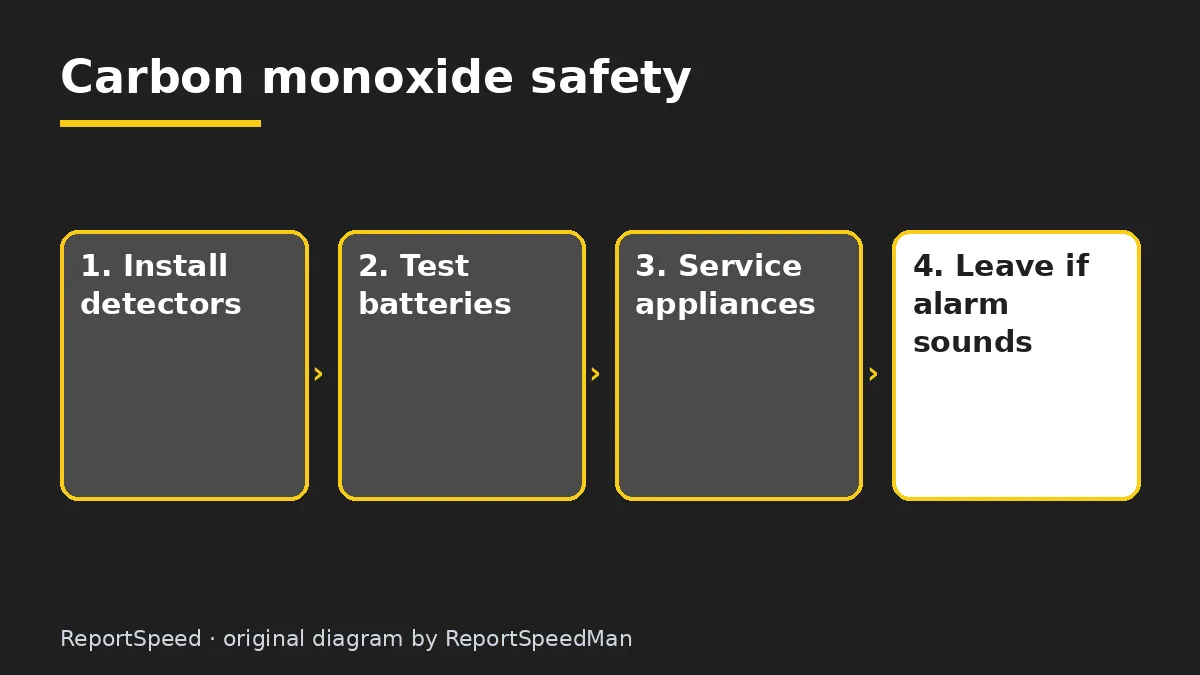
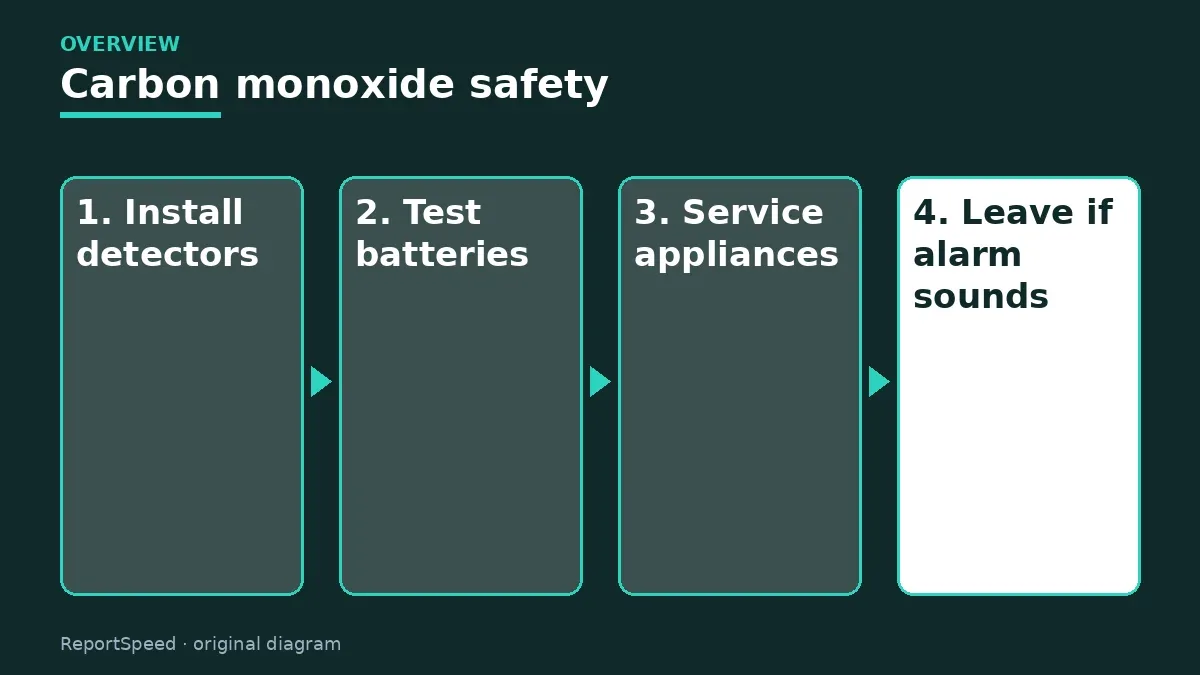
Wrap-up: Install detectors near bedrooms, test them twice a year, replace every five years, service appliances yearly, and leave immediately if the alarm sounds.
Wiki: Common Cold vs. Flu and Emergency Fund.
Carbon monoxide poisoning: official sources I checked
Step-by-step photos
1. Before The problem 
2. Why it happens The cause 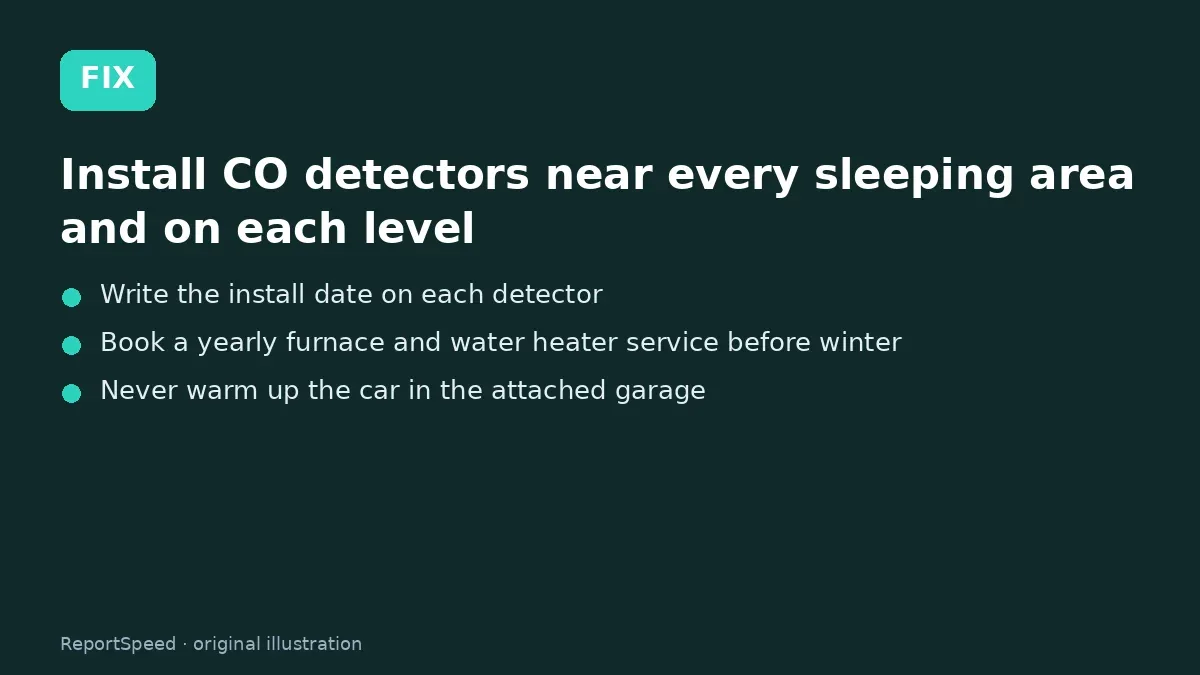
3. The fix The fix 
4. After The result
⚡ Speed Summary
- Install detectors near bedrooms, test them twice a year, replace every five years, service appliances yearly, and leave immediately if the alarm sounds.
- If everyone feels better away from home and worse back inside, treat that pattern as a CO warning and get checked.
- Running a car to warm it up in an attached garage, even with the door open, can push CO into the house.

Was this answer helpful?
Tap a star to rate this answer.
Related questions
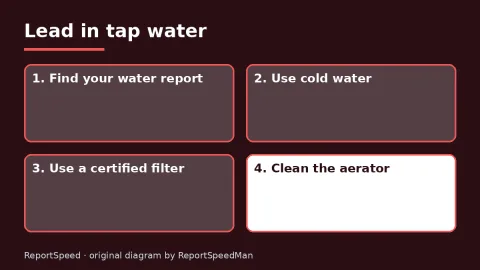
Is there lead in my tap water? How to check and lower your risk
Lead comes from plumbing, can't be seen, and isn't removed by boiling.
Rate itSolved

When do I need a tetanus shot? Booster timing and wounds
Boosters are every 10 years, or 5 years for dirty or puncture wounds.
Rate itSolved
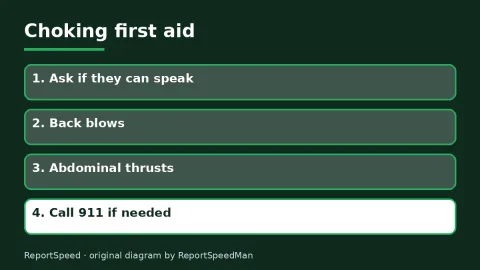
How to help someone who is choking: back blows and abdominal thrusts
Let a strong cough work.
Rate itSolved
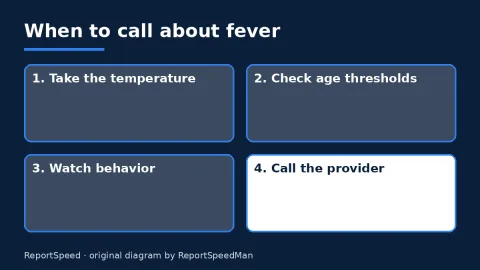
Fever: when to call the doctor for a child or adult
At 8 months, 102.2°F is the call-now line; your baby's 101.5°F means watch closely and call if it rises or warning signs appear.
Rate itSolved
Real experiences
No experiences yet. Be the first to share.