


I have credit card debt and zero savings. Which do I do first?
Is it better to pay off debt or save money first?
Concerns & risks
You've got some debt and almost no savings. Every advice video says something different: pay debt first, or save first?
No savings means new emergencies go right back onto the card.
Causes & evidence
High-interest debt costs a lot, but a small cushion prevents new debt. See emergency fund and credit card APR.
What to do
- Build a small starter emergency cushion.
- Then attack high-APR debt aggressively.
- Get any employer 401(k) match if you can.
- Once debt is gone, build savings bigger.
Common mistakes: Common mistakes: putting every dollar toward debt and having nothing for surprises, which sends you right back to the credit card. A small emergency fund first helps prevent new debt. Then focus on high-interest debt. If your employer matches retirement contributions, contributing enough to get the match can be worth it. Revisit the plan as balances change.
Speed Man tip: Employer match is often an instant return. Don't skip it if possible.
Wrap-up: Small cushion first. Then high-interest debt. Don't miss an employer match.
⚡ Speed Summary
- Small cushion first.
- Then high-interest debt.
- Don't miss an employer match.

Was this answer helpful?
Tap a star to rate this answer.
Related questions
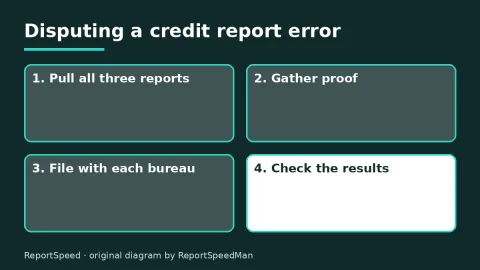
Found an error on my credit report? How to dispute it step by step
Dispute with each bureau and the furnisher, include proof, and expect results in about 30 days.
Rate itSolved
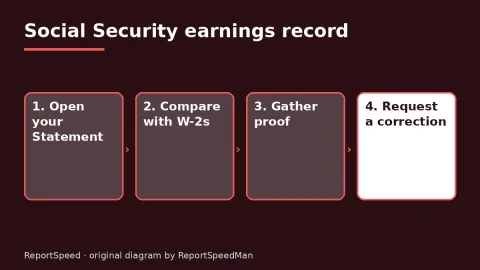
How do I check my Social Security earnings record and fix a mistake?
Check your Statement every year, match it to your W-2s, and correct gaps with proof before the usual window closes.
Rate itSolved
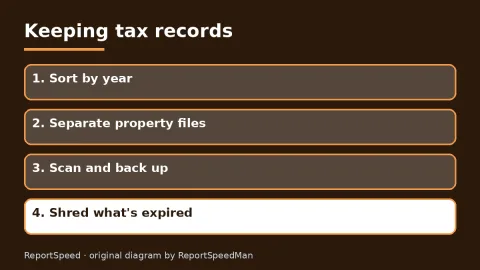
How long should I keep tax records? The IRS 3-, 6- and 7-year rules
Three years covers most returns; six, seven or forever apply in specific cases.
Rate itSolved
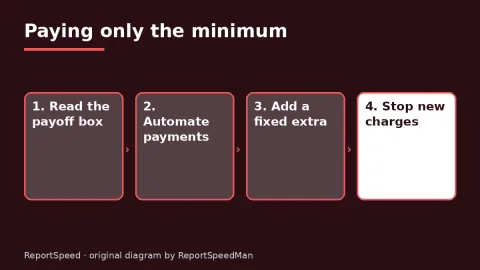
What happens if I only pay the minimum on my credit card?
Minimum payments keep you current but stretch the debt for years.
Rate itSolved
Real experiences
No experiences yet. Be the first to share.