


After hearing about bank failures in the news, I started worrying about the money in my accounts. I have checking, savings and a joint account with my spouse at the same bank, and together they are getting close to a number that makes me nervous. How does FDIC insurance actually work, and am I covered?
Is my money safe in the bank? FDIC insurance limits explained
Concerns & risks
You have several accounts at one bank, your combined balance is growing, and you are not sure whether everything is protected if the bank fails.
| Account | Separate category? |
|---|---|
| Your individual checking and savings | Single (combined) |
| Joint account with spouse | Joint, separate from single |
| IRA deposits at the bank | Certain retirement accounts, separate |
| Trust account | Trust category, separate |
Causes & evidence
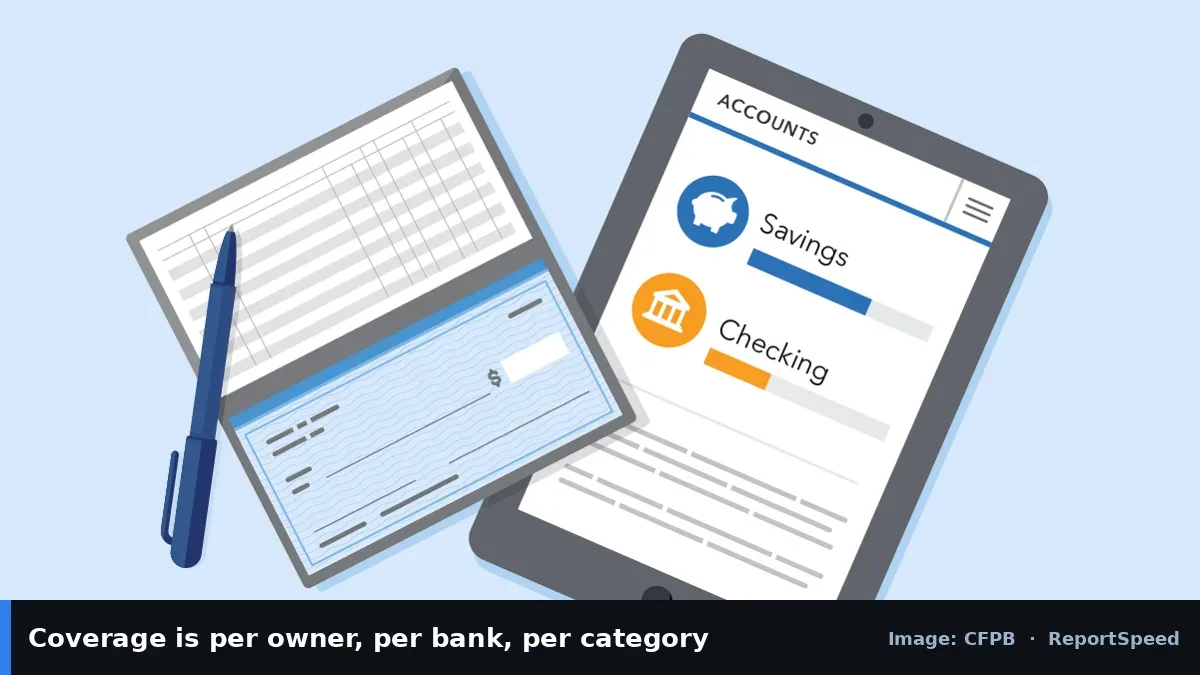
FDIC insurance covers deposits at insured banks up to $250,000 per depositor, per insured bank, for each account ownership category. That last part is key: single accounts, joint accounts, certain retirement accounts and trust accounts are separate categories, each with its own coverage. So a person with a single account and a joint account at the same bank can be covered beyond $250,000 in total. Insurance applies to deposit products such as checking, savings, money market deposit accounts and CDs, not to stocks, bonds, mutual funds or crypto, even if bought through the bank.
The FDIC has paid insured deposits in failures since it was created, and depositors generally get access to insured funds quickly. Fintech apps may hold money at partner banks, so coverage depends on how the account is set up.

Adding up all your accounts and assuming only $250,000 total is protected can lead to needless worry, or the opposite mistake of assuming everything is covered.
What to do
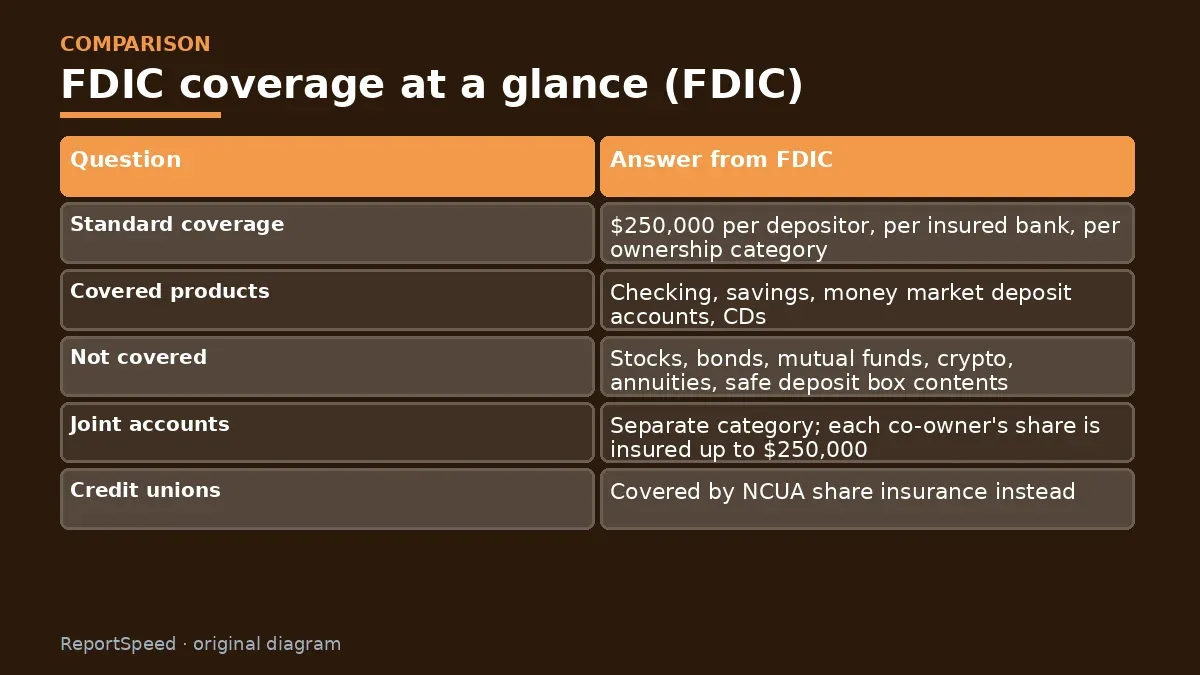
| Question | Answer from FDIC |
|---|---|
| Standard coverage | $250,000 per depositor, per insured bank, per ownership category |
| Covered products | Checking, savings, money market deposit accounts, CDs |
| Not covered | Stocks, bonds, mutual funds, crypto, annuities, safe deposit box contents |
| Joint accounts | Separate category; each co-owner's share is insured up to $250,000 |
| Credit unions | Covered by NCUA share insurance instead |
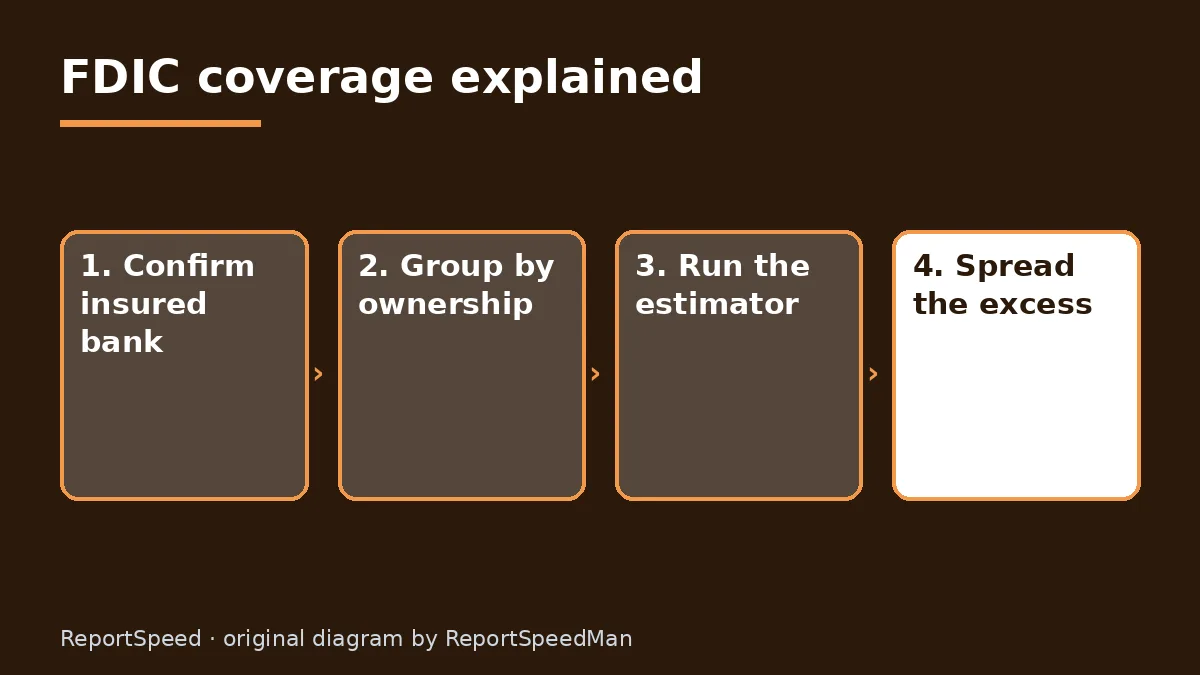
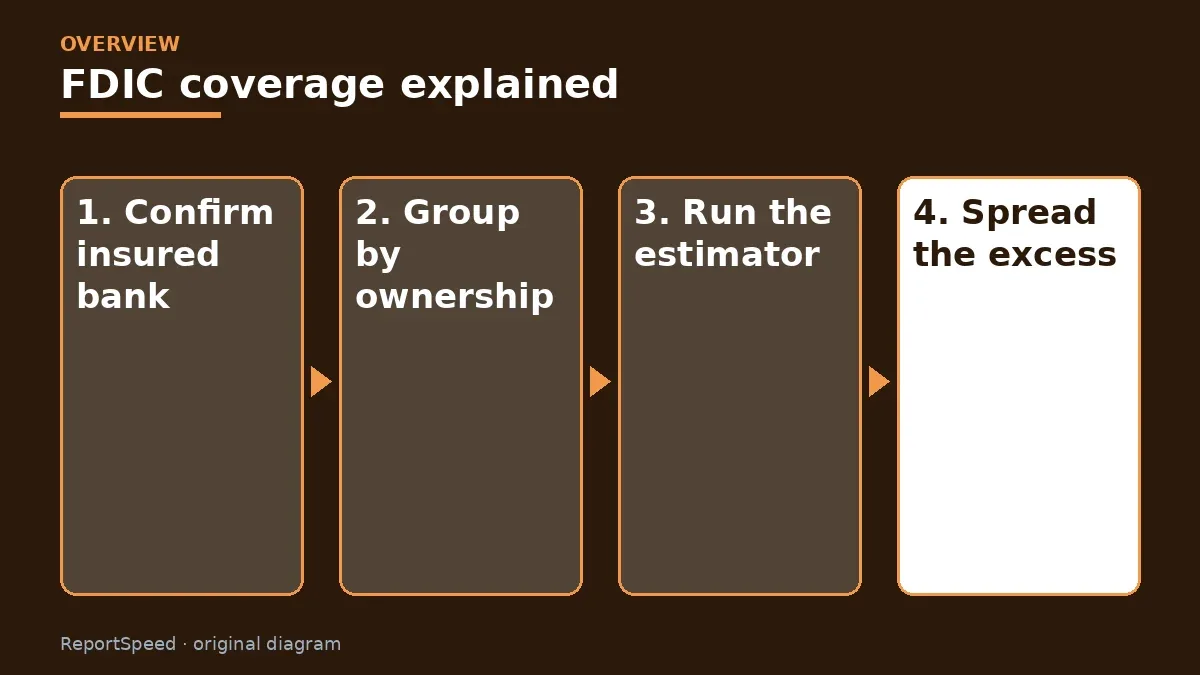
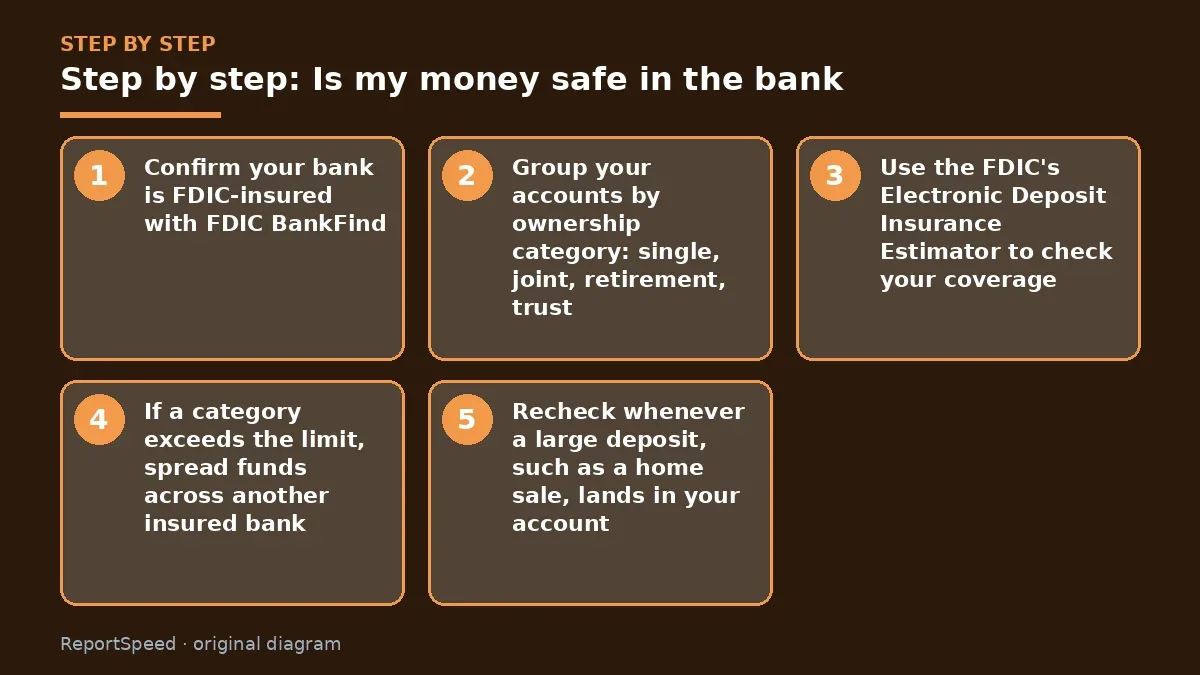
- Confirm your bank is FDIC-insured with FDIC BankFind.
- Group your accounts by ownership category: single, joint, retirement, trust.
- Use the FDIC's Electronic Deposit Insurance Estimator to check your coverage.
- If a category exceeds the limit, spread funds across another insured bank.
- Recheck whenever a large deposit, such as a home sale, lands in your account.

Common mistakes:
- Assuming investments bought at a bank are FDIC-insured
- Forgetting that two banks under one brand can be one insured bank
- Never checking coverage after a big deposit
ReportSpeedMan tip: If you keep money in a fintech app, check whether it partners with an insured bank and how your money is held; insurance protects against bank failure, not the app's own problems.
What I would actually do
run the FDIC estimator once, write down the result, and if a category neared the limit, open a second account at another insured bank rather than worrying.
The trade-off people miss: spreading money across too many banks makes it harder to track. Spread only what exceeds coverage.
Did it work? How to check
The FDIC estimator shows all your deposits covered and you know which bank holds what.
Quick FAQ
Is my 401(k) covered?
Investments aren't FDIC-insured; they have other protections.
Do two brands mean two banks?
Not always; check FDIC BankFind.
What about credit unions?
NCUA share insurance covers them similarly.
Wrap-up: Map your accounts by ownership category, run the FDIC estimator and spread any excess. Then the headlines lose their sting.
Wiki: Emergency Fund.
Is my money safe in the bank: official pages behind this answer
Step-by-step photos

1. Before The problem 
2. Why it happens The cause 
3. The fix The fix 
4. After The result
⚡ Speed Summary
- Map your accounts by ownership category, run the FDIC estimator and spread any excess.
- If you keep money in a fintech app, check whether it partners with an insured bank and how your money is held; insurance protects against bank failure, not the app's own problems.
- Adding up all your accounts and assuming only $250,000 total is protected can lead to needless worry, or the opposite mistake of assuming everything is covered.

Was this answer helpful?
Tap a star to rate this answer.
Related questions
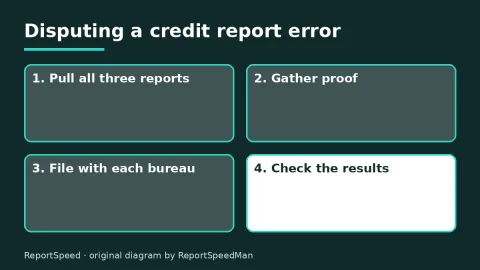
Found an error on my credit report? How to dispute it step by step
Dispute with each bureau and the furnisher, include proof, and expect results in about 30 days.
Rate itSolved
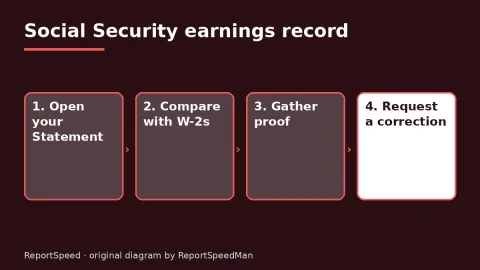
How do I check my Social Security earnings record and fix a mistake?
Check your Statement every year, match it to your W-2s, and correct gaps with proof before the usual window closes.
Rate itSolved

How long should I keep tax records? The IRS 3-, 6- and 7-year rules
Three years covers most returns; six, seven or forever apply in specific cases.
Rate itSolved
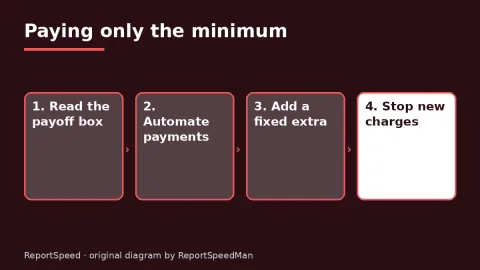
What happens if I only pay the minimum on my credit card?
Minimum payments keep you current but stretch the debt for years.
Rate itSolved
Real experiences
No experiences yet. Be the first to share.