


My tire pressure light came on. The number on the side of the tire says 44 PSI max, but the sticker in my door says 35. I've always just filled to the number on the tire. Which one is right, and when should I check it?
What tire pressure should I use: door sticker or tire sidewall?
Concerns & risks
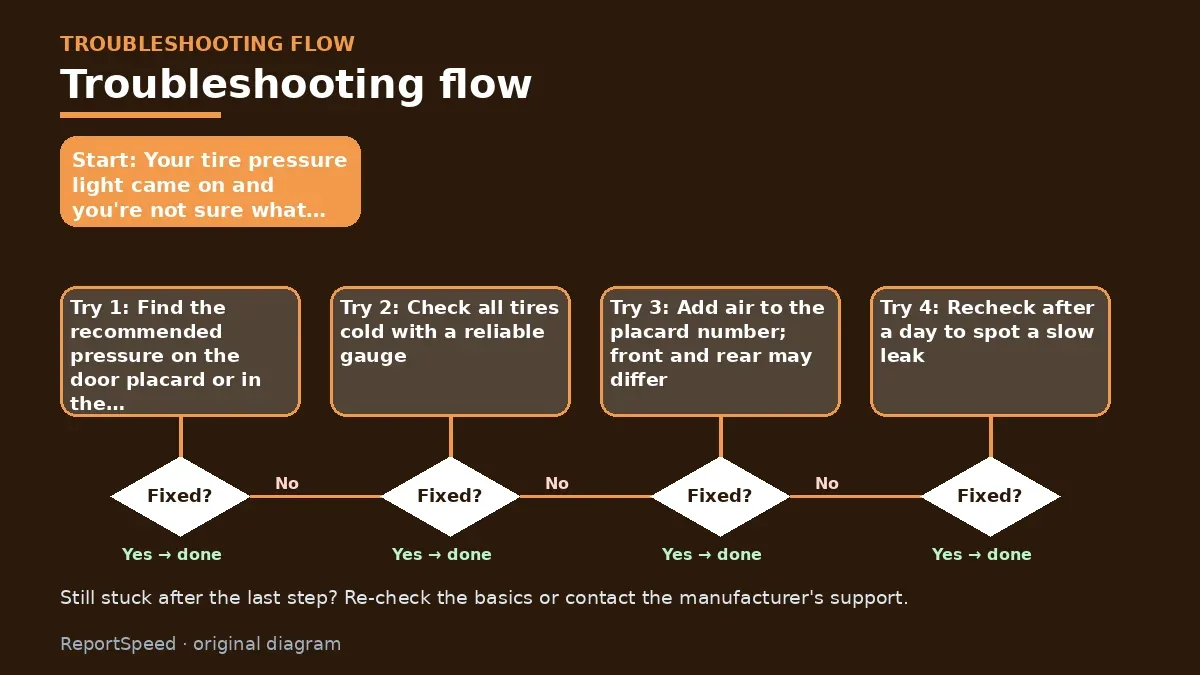
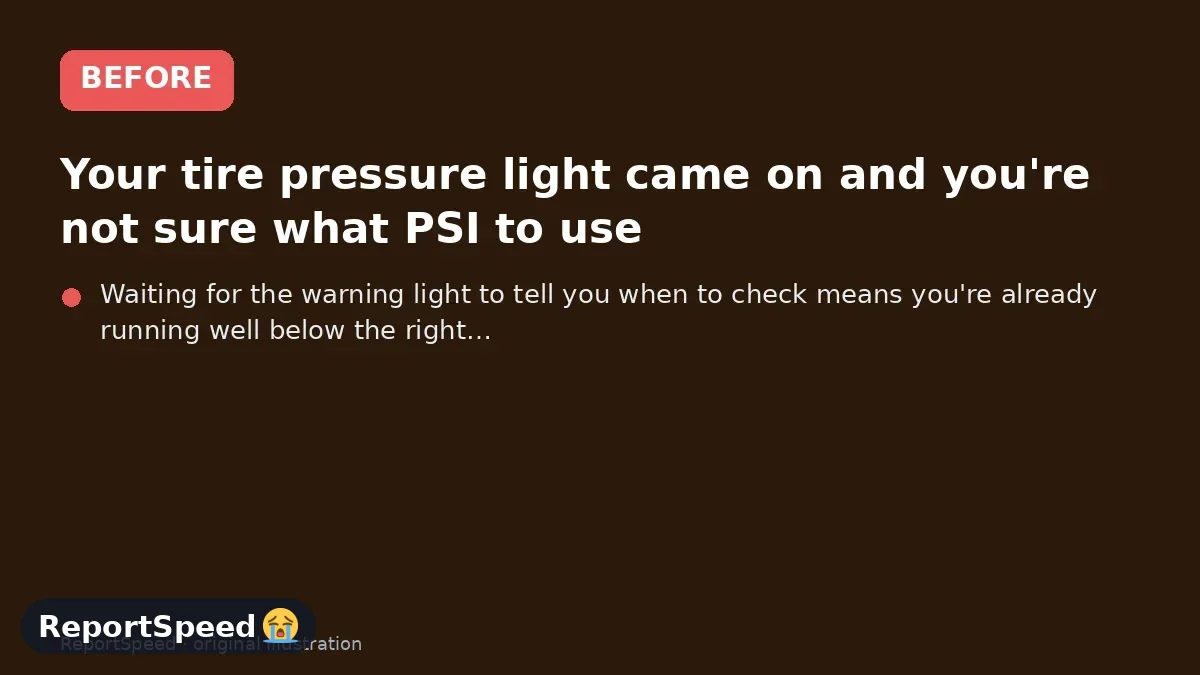
Your tire pressure light came on and you're not sure what PSI to use.
| Number | Use it for |
|---|---|
| Door placard | Your target pressure |
| Owner's manual | Same target, plus load notes |
| Sidewall max | Never as the daily target |
| TPMS light | A late warning only |

Causes & evidence
NHTSA explains that the correct inflation pressure for your vehicle is listed on the tire information placard, usually on the driver's side door jamb, and in your owner's manual. The number on the tire sidewall is the maximum pressure the tire can safely hold, not the recommended pressure for your car. NHTSA advises checking pressure at least once a month and before long trips, when the tires are cold, meaning the car has been parked for a few hours or driven less than a mile. Tire pressure monitoring systems warn you when one or more tires are significantly under-inflated, which NHTSA describes as 25% or more below the recommended pressure, so the light comes on after a real drop, not as an early reminder.
Temperature affects tire pressure, so pressures often drop in cold weather. That's one reason the warning light is common on the first cold morning of the season.
Waiting for the warning light to tell you when to check means you're already running well below the right pressure.
What to do
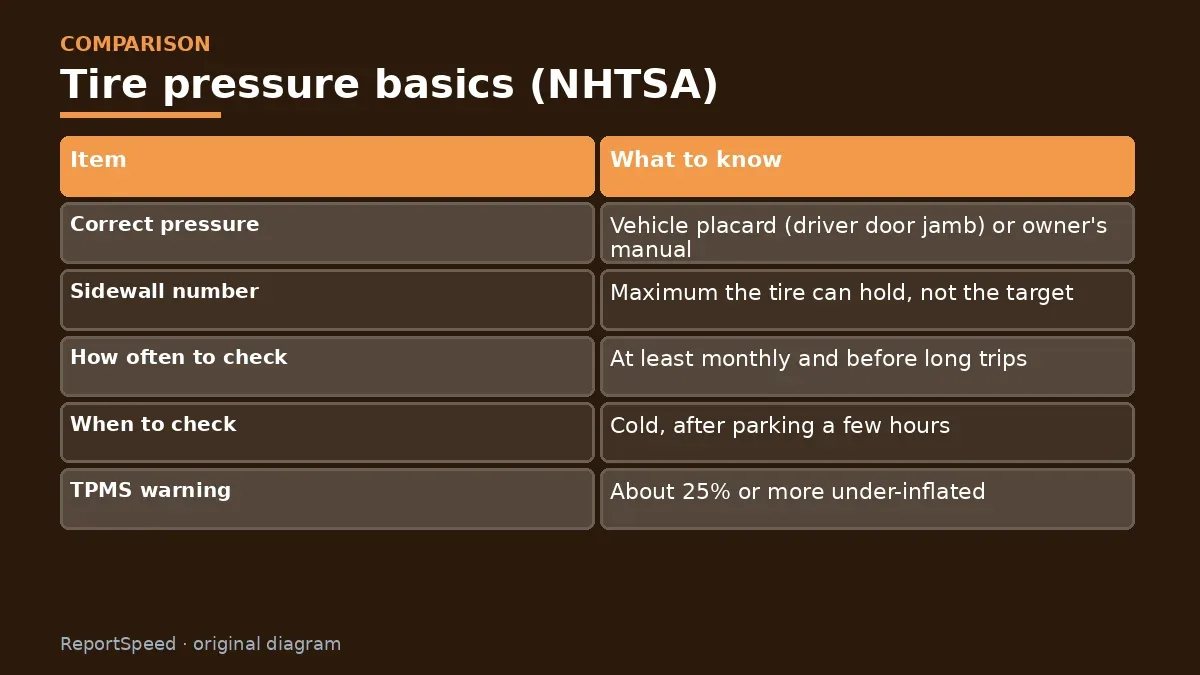
| Item | What to know |
|---|---|
| Correct pressure | Vehicle placard (driver door jamb) or owner's manual |
| Sidewall number | Maximum the tire can hold, not the target |
| How often to check | At least monthly and before long trips |
| When to check | Cold, after parking a few hours |
| TPMS warning | About 25% or more under-inflated |
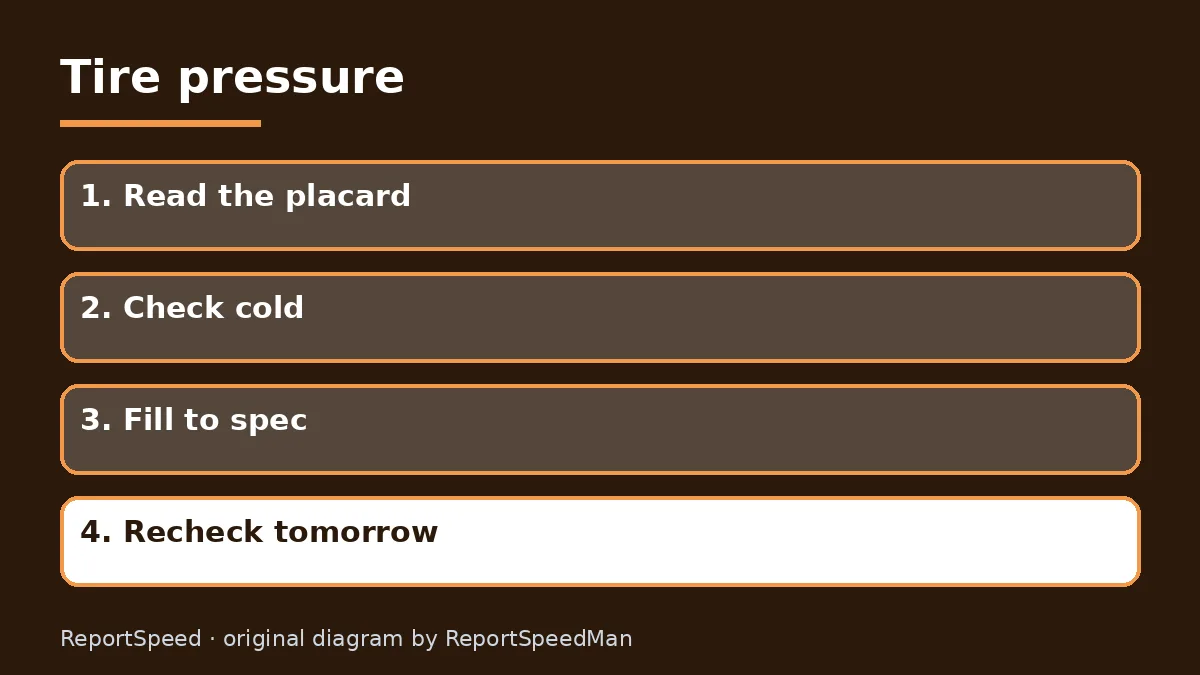
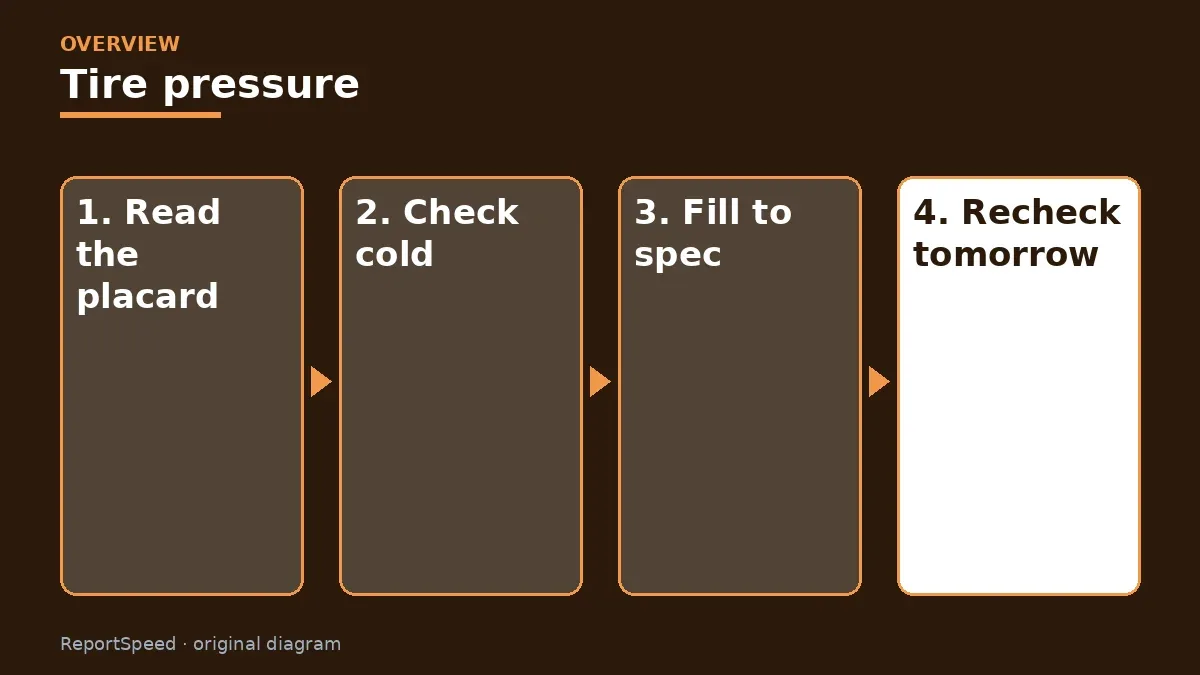
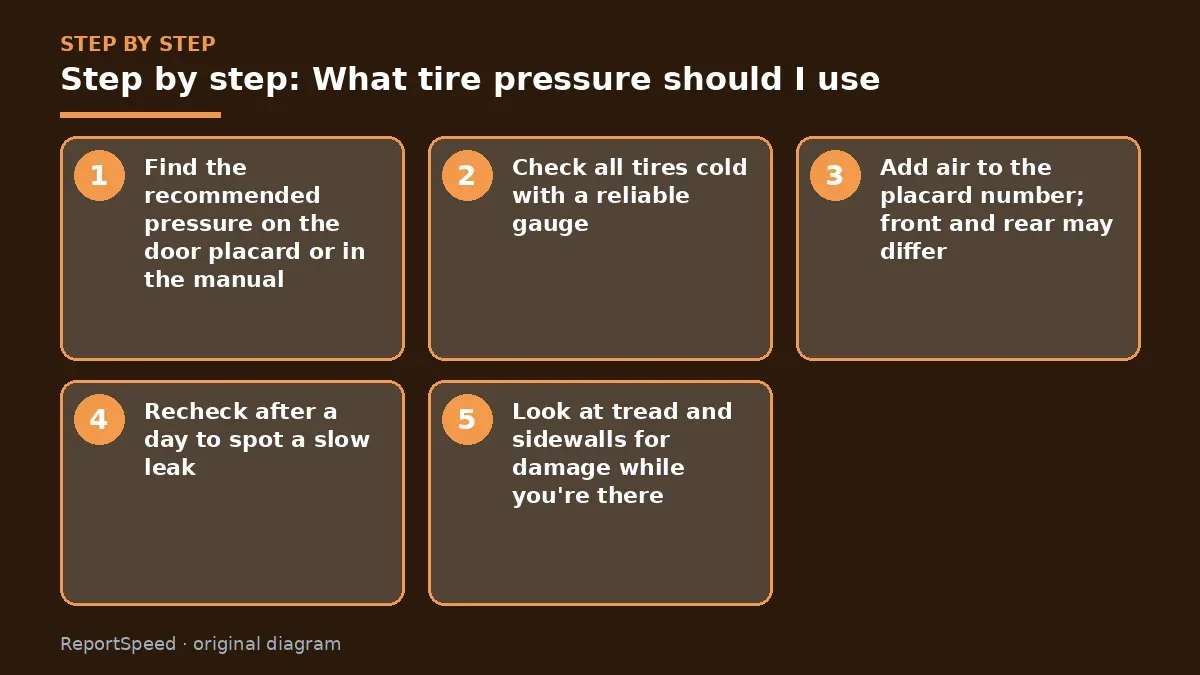
- Find the recommended pressure on the door placard or in the manual.
- Check all tires cold with a reliable gauge.
- Add air to the placard number; front and rear may differ.
- Recheck after a day to spot a slow leak.
- Look at tread and sidewalls for damage while you're there.

Common mistakes:
- Filling to the sidewall maximum
- Checking right after a long drive
- Relying only on the warning light
ReportSpeedMan tip: Buy a simple tire gauge for the glovebox. Gas station gauges are not always accurate.
What I would actually do
I'd set all tires to the door placard pressure on a cool morning and recheck monthly with my own gauge.
The trade-off people miss: over-inflating to the sidewall maximum can reduce grip and give a harsher ride; under-inflation wears tires and hurts fuel economy. The placard number balances both.
Did it work? How to check
All four tires read the placard pressure cold and the warning light stays off.
Quick FAQ
Should front and rear match?
Only if the placard says so.
Does the spare need air?
Yes, check it too.
Is nitrogen required?
No; follow the placard pressure either way.
Wrap-up: Use the door placard, check monthly when cold, and treat the TPMS light as a late warning, not a schedule.
Wiki: Fuel Economy Basics and Vehicle Recalls.
What tire pressure should I use: read the originals
Step-by-step photos
1. Before The problem 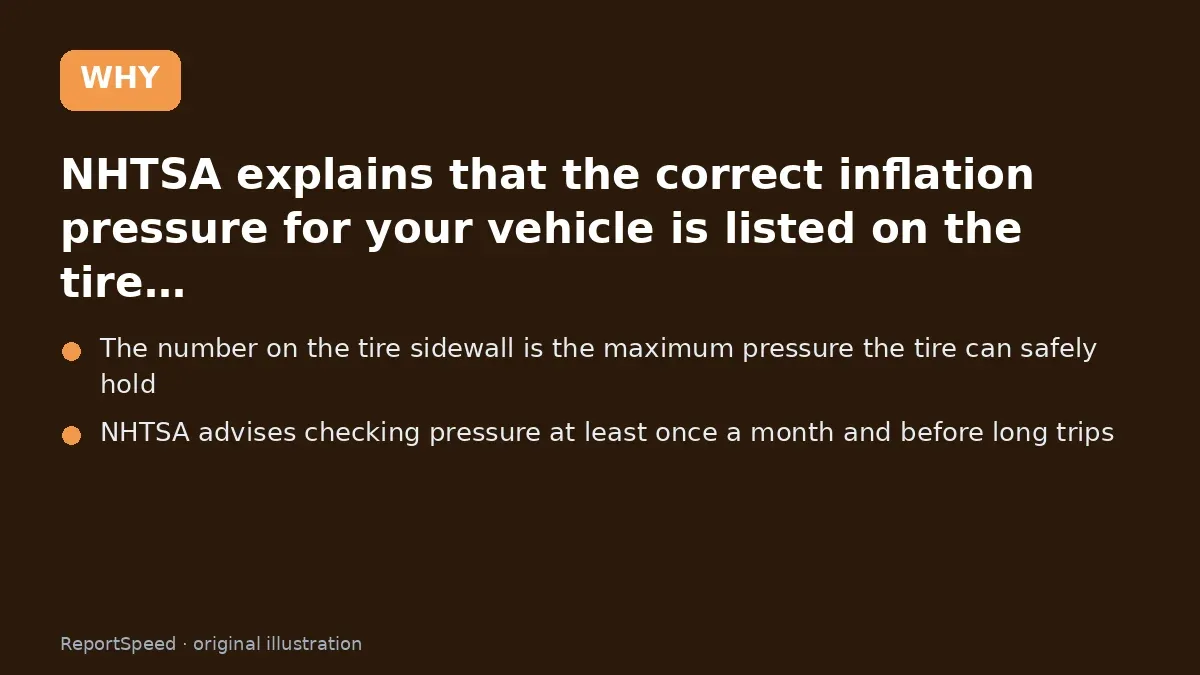
2. Why it happens The cause 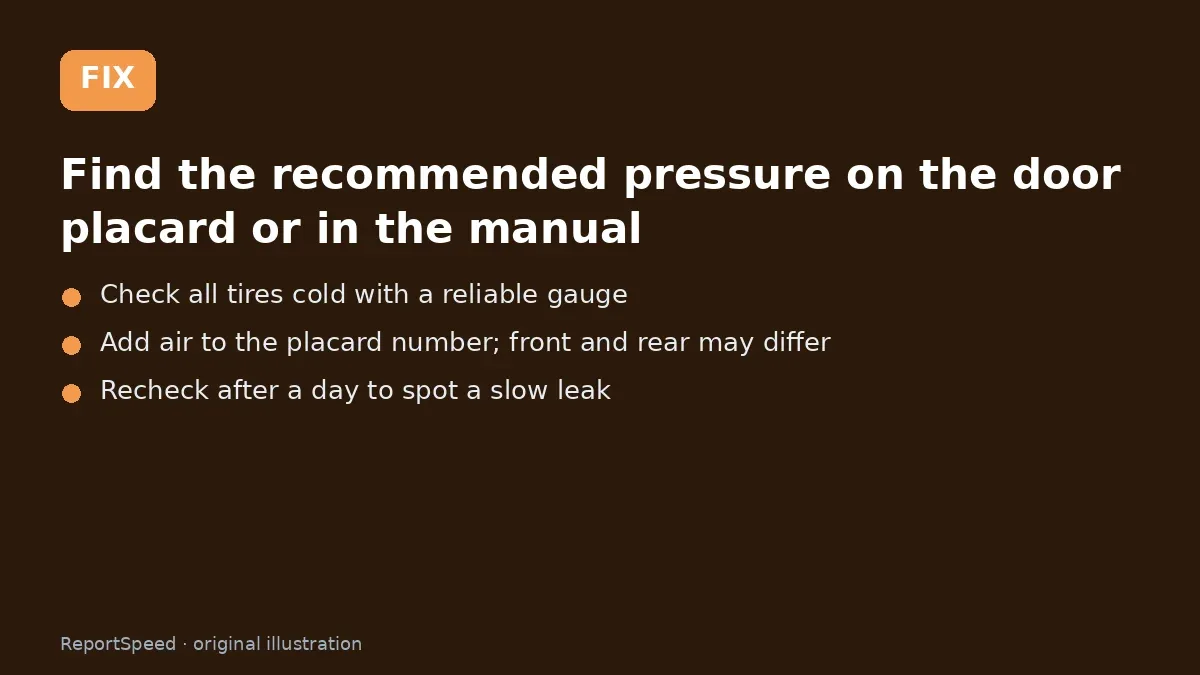
3. The fix The fix 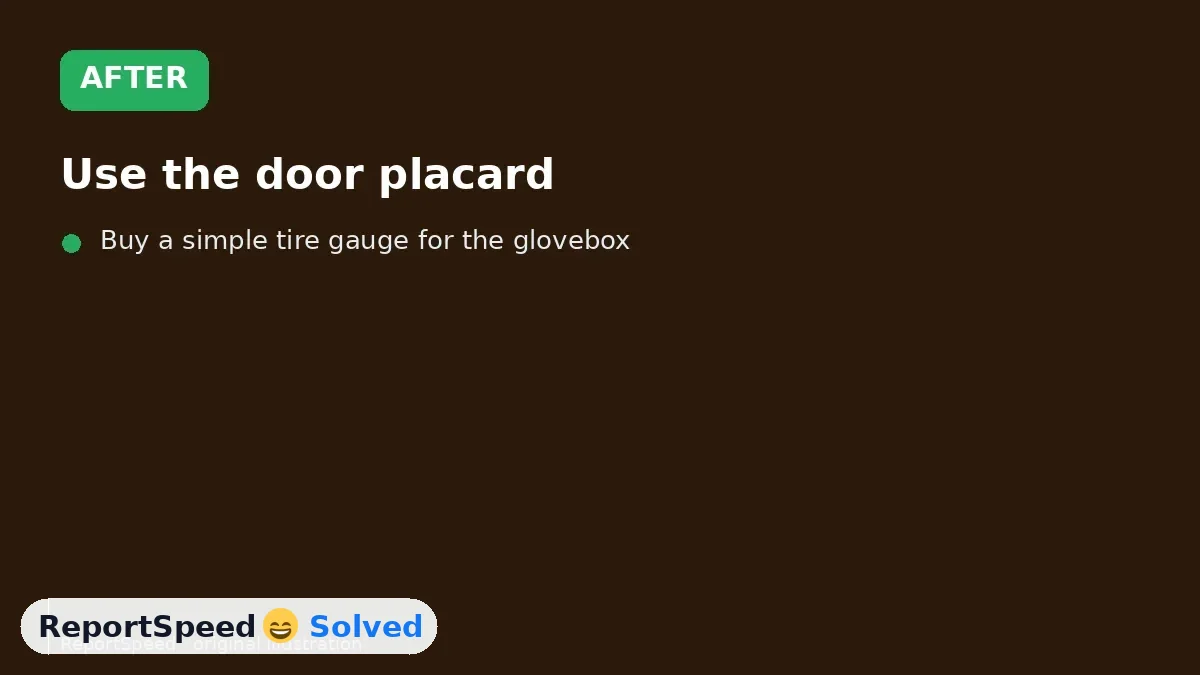
4. After The result
⚡ Speed Summary
- Use the door placard, check monthly when cold, and treat the TPMS light as a late warning, not a schedule.
- Buy a simple tire gauge for the glovebox. Gas station gauges are not always accurate.
- Waiting for the warning light to tell you when to check means you're already running well below the right pressure.

Was this answer helpful?
Tap a star to rate this answer.
Related questions

How far should I sit from the steering wheel airbag?
Keep 10 inches from the air bag cover, tilt the wheel toward your chest, and keep kids 12 and under in the back.
Rate itSolved
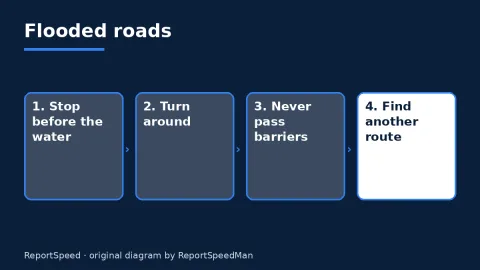
Is it safe to drive through a flooded road? How much water can float a car
Never drive into flood water; a foot of rushing water can carry most cars.
Rate itSolved
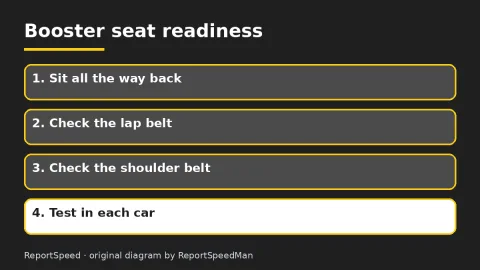
When can my child stop using a booster seat?
Keep the booster until the seat belt fits across the thighs and chest, and keep kids 12 and under in the back.
Rate itSolved
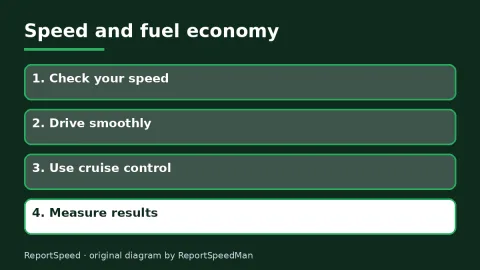
Does driving faster really waste gas? Speed and fuel economy
Above 50 mph mileage drops quickly, roughly like $0.30 more per gallon for each extra 5 mph.
Rate itSolved
Real experiences
No experiences yet. Be the first to share.