


We moved somewhere that actually gets snow, and the tire shop says I need winter tires. My car already has all-season tires and the label says M+S. Are winter tires really necessary, or is that an upsell? What's the difference in practice?
Winter tires vs all-season tires: do I really need them?

Concerns & risks
You've moved somewhere with real winters and want to know if your all-season tires are enough or winter tires are worth buying.
| Your winter | Suggestion |
|---|---|
| Regular snow and ice | Four winter tires |
| Occasional light snow | Good all-seasons may do |
| Mountain trips | Check local chain/tire rules |
| Mild winters | All-season |

Causes & evidence
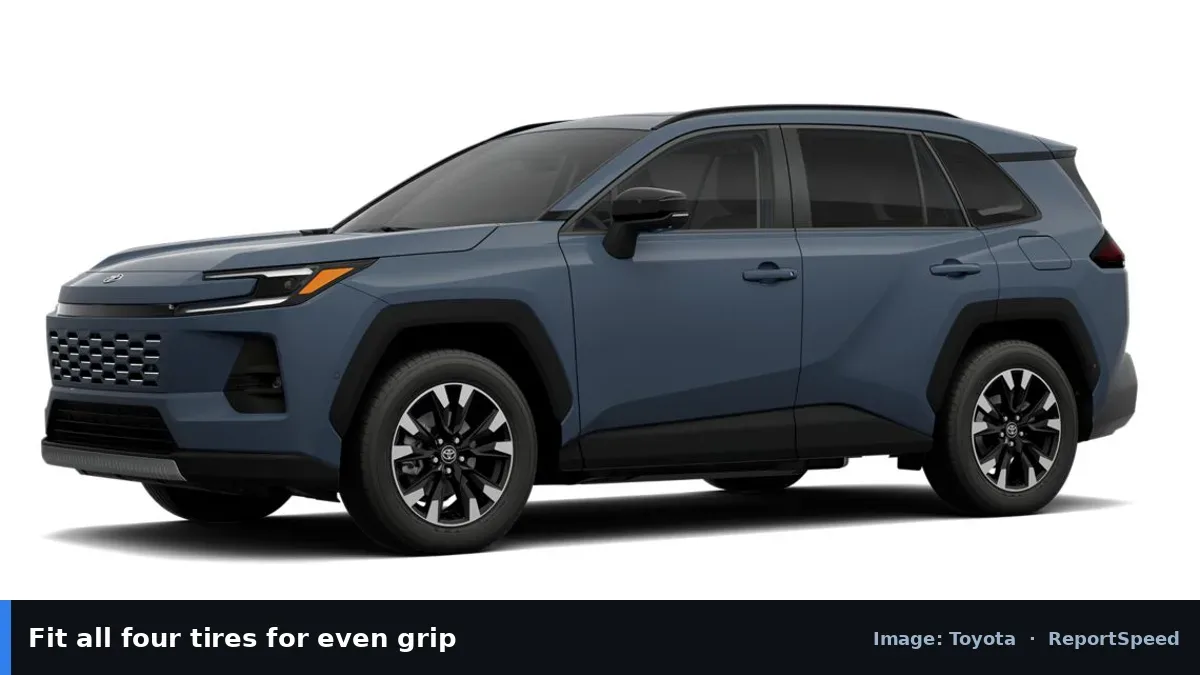
Winter tires use rubber that stays flexible in cold temperatures and treads designed to grip snow and slush. Tires marked with the three-peak mountain snowflake symbol have passed a standardised snow traction test. The M+S (mud and snow) marking found on many all-season tires is based on tread design and doesn't require that same performance test. NHTSA's winter driving guidance advises checking tire tread and pressure, and notes that tire pressure drops as temperatures fall. Tire experts recommend fitting winter tires on all four wheels so the car handles consistently.
Tire pressure generally drops as temperatures fall, so check it monthly in winter using the pressure on your door-jamb sticker, not the tire sidewall.
Fitting winter tires only on the front wheels can make the rear of the car slide out on ice.
What to do


| Item | Winter tires | All-season tires |
|---|---|---|
| Snow test symbol | Three-peak mountain snowflake | Often M+S only (no snow test required) |
| Rubber in the cold | Stays flexible | Stiffens more |
| Best use | Regular snow, ice and cold | Mild climates, occasional light snow |
| How many to fit | All four | All four |
| Pressure in cold | Check often; it drops as temps fall | Check often; it drops as temps fall |
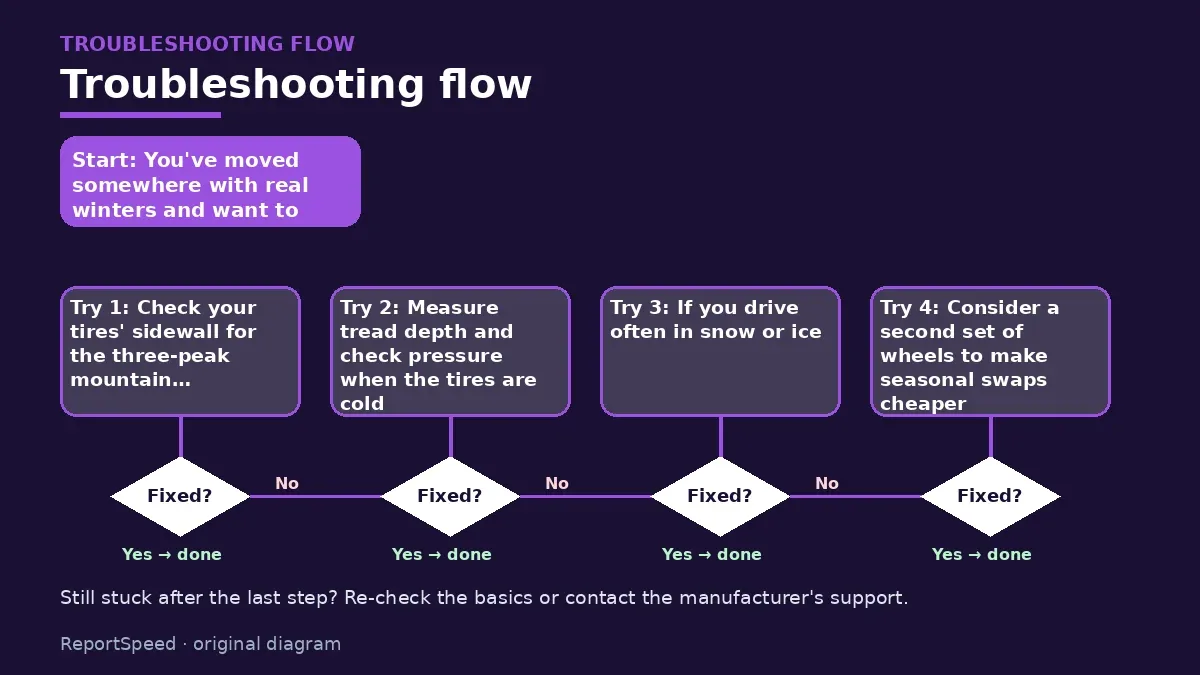
- Check your tires' sidewall for the three-peak mountain snowflake symbol.
- Measure tread depth and check pressure when the tires are cold.
- If you drive often in snow or ice, buy a full set of four winter tires.
- Consider a second set of wheels to make seasonal swaps cheaper.
- Switch back to regular tires when the weather warms up.

Common mistakes:
- Treating M+S as a winter rating
- Fitting only two winter tires
- Ignoring pressure as temperatures drop
ReportSpeedMan tip: Even with winter tires, braking distances on ice are long. Leave extra space and slow down well before turns.
What I would actually do
living with regular snow, I'd buy four winter tires on a second set of wheels so seasonal swaps are quick and cheap.
The trade-off people miss: winter tires wear faster and handle less crisply on warm, dry pavement, so leaving them on all year costs you.
How to know it worked
All four tires carry the snowflake symbol and the pressure is checked monthly.
Quick FAQ
Can I use winter tires all year?
They wear faster in warm weather.
Are studded tires legal?
It depends on your state.
Do I need winter tires with AWD?
AWD helps you go, not stop or turn.
Wrap-up: If winter in your area means regular snow and ice, a set of four winter tires is a real safety upgrade. In mild climates, good all-seasons are usually enough.
Wiki: Vehicle Recalls and Fuel Economy Basics.
Winter tires vs all-season tires: official sources I checked
Step-by-step photos
1. Before The problem 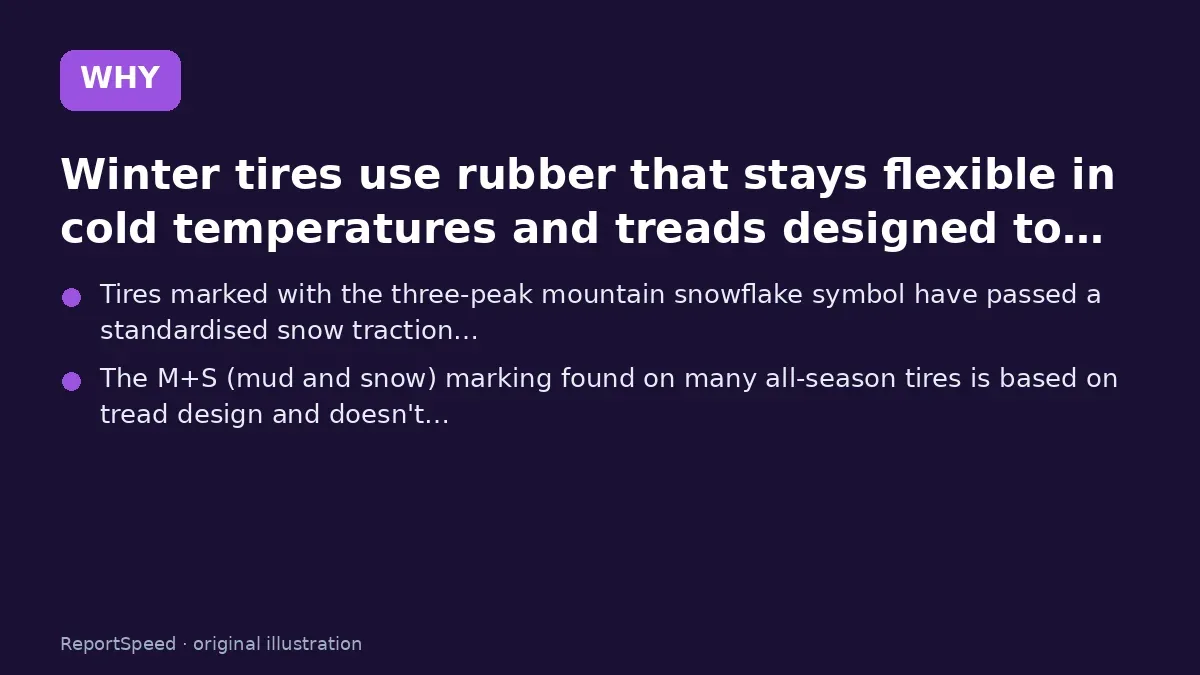
2. Why it happens The cause 
3. The fix The fix 
4. After The result
⚡ Speed Summary
- If winter in your area means regular snow and ice, a set of four winter tires is a real safety upgrade.
- Even with winter tires, braking distances on ice are long. Leave extra space and slow down well before turns.
- Fitting winter tires only on the front wheels can make the rear of the car slide out on ice.

Was this answer helpful?
Tap a star to rate this answer.
Related questions

How far should I sit from the steering wheel airbag?
Keep 10 inches from the air bag cover, tilt the wheel toward your chest, and keep kids 12 and under in the back.
Rate itSolved
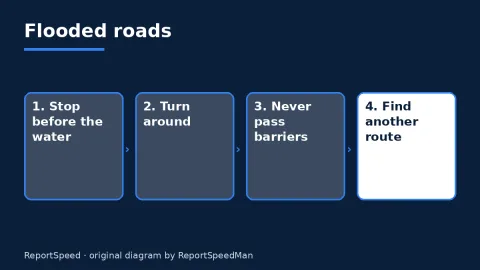
Is it safe to drive through a flooded road? How much water can float a car
Never drive into flood water; a foot of rushing water can carry most cars.
Rate itSolved
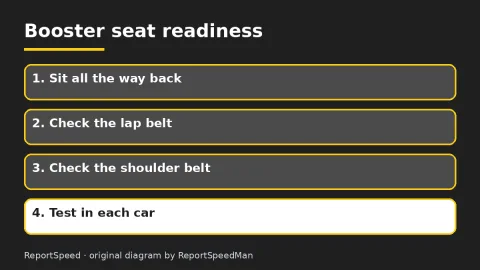
When can my child stop using a booster seat?
Keep the booster until the seat belt fits across the thighs and chest, and keep kids 12 and under in the back.
Rate itSolved
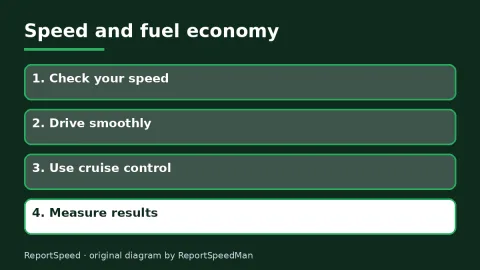
Does driving faster really waste gas? Speed and fuel economy
Above 50 mph mileage drops quickly, roughly like $0.30 more per gallon for each extra 5 mph.
Rate itSolved
Real experiences
No experiences yet. Be the first to share.