


I work a desk job and I know I should move more, but every source gives a different number: 10,000 steps, 30 minutes a day, an hour a day. I want a realistic target I can stick to. What do the official guidelines actually recommend for adults, and does walking count?
How much exercise do I actually need each week?
Concerns & risks
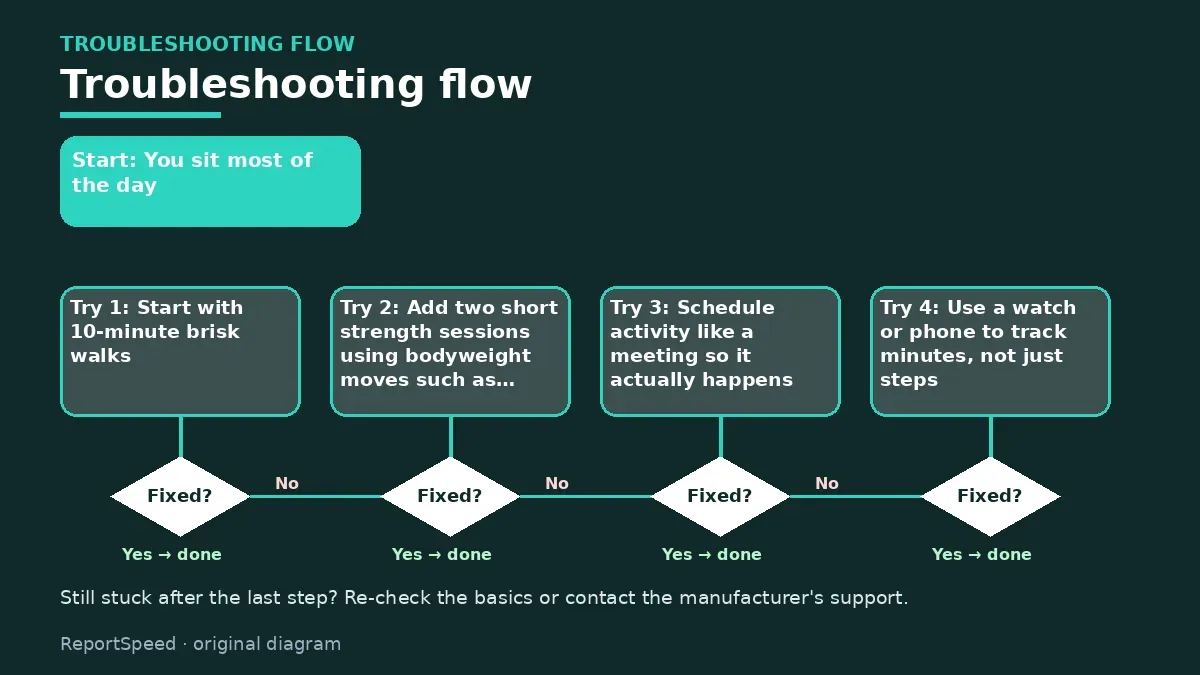
You sit most of the day, you want a clear target and the mix of step counts and minutes leaves you unsure what's enough.
| Day | Example |
|---|---|
| Mon / Wed / Fri | 30-minute brisk walk |
| Tue / Thu | 20-minute bodyweight strength |
| Weekend | Longer walk or bike ride |
| Every day | Stand and move every hour |

Causes & evidence
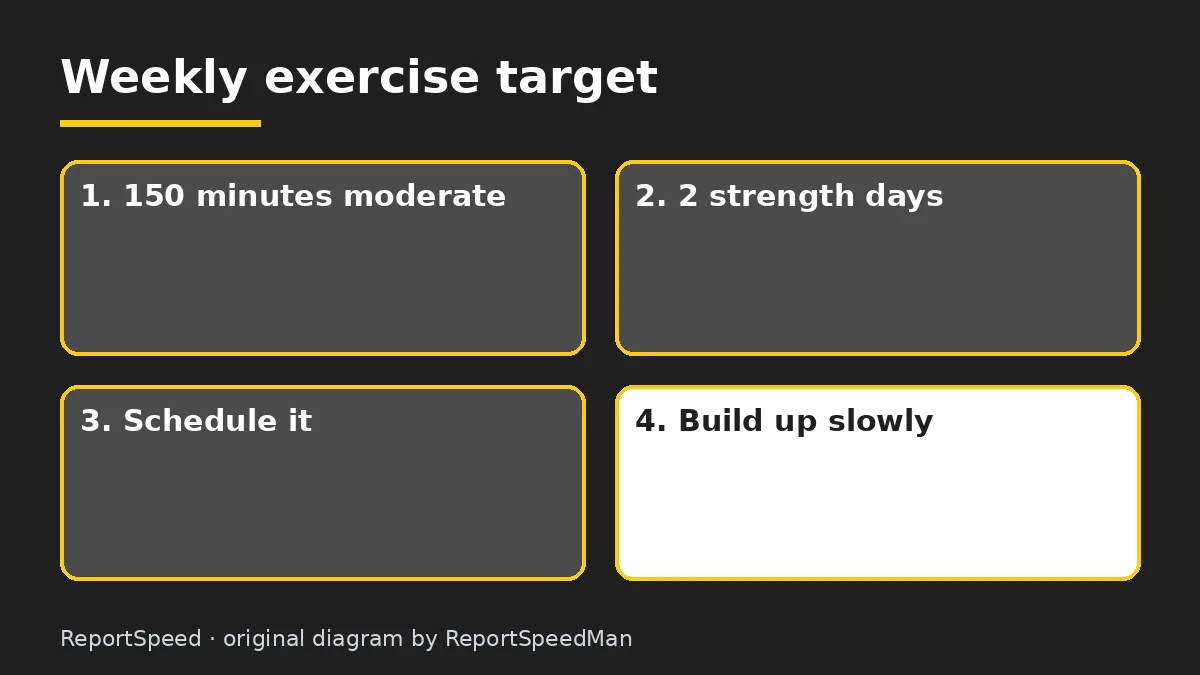
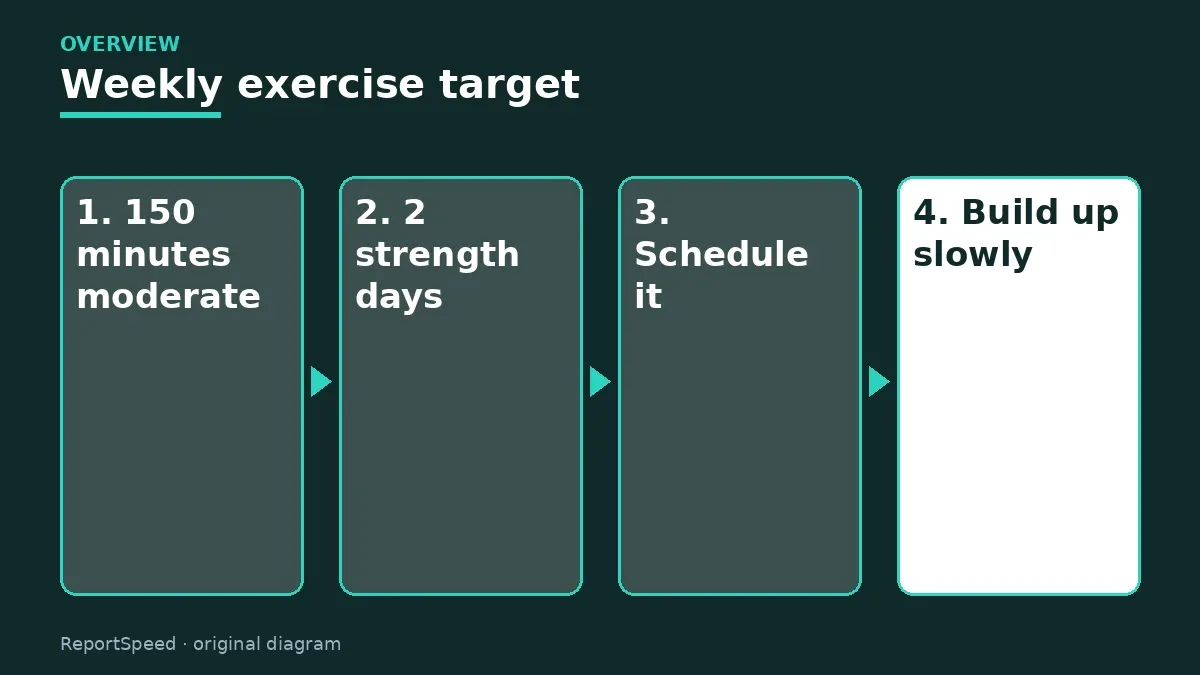
The U.S. Physical Activity Guidelines for Americans, summarised by the CDC, recommend that adults get at least 150 minutes a week of moderate-intensity aerobic activity, such as brisk walking, or 75 minutes of vigorous activity, plus muscle-strengthening activities on at least two days a week. Activity can be spread across the week in sessions of any length. MedlinePlus, from the National Library of Medicine, notes that regular activity lowers the risk of heart disease, type 2 diabetes and some cancers, and improves sleep and mood. Any movement beats none, and more brings extra benefits.
The guidelines also say adults should move more and sit less throughout the day, and that some activity is better than none.
Waiting until you can do an hour a day often means doing nothing; short sessions count.
What to do
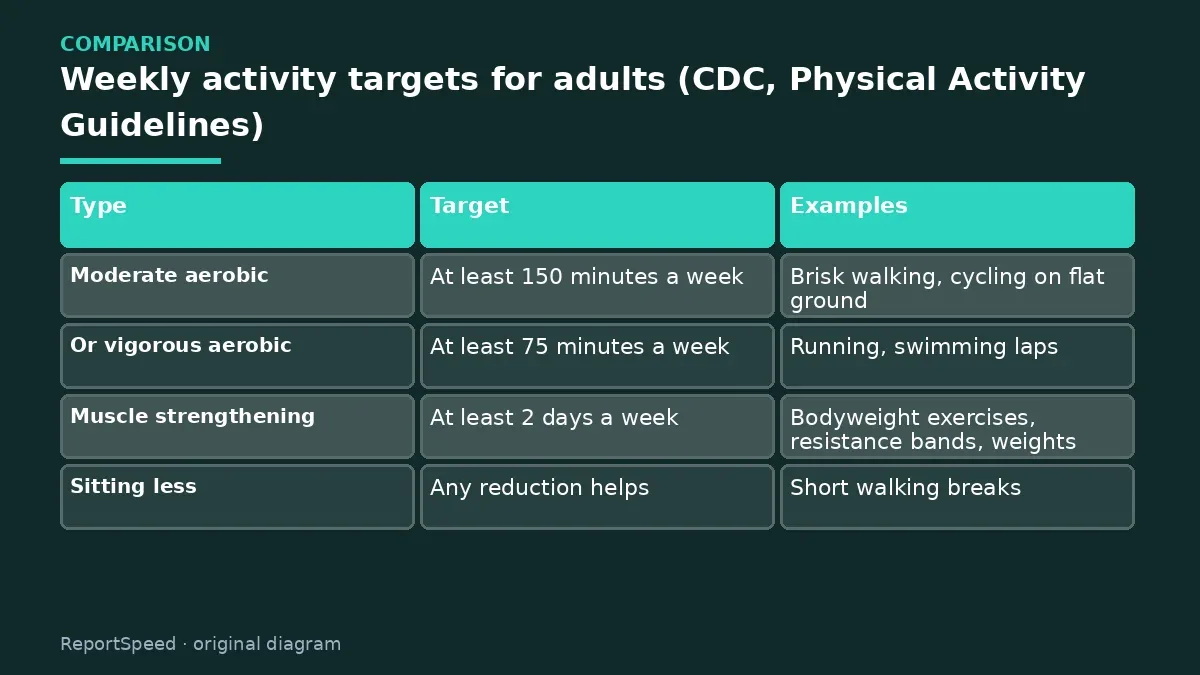
| Type | Target | Examples |
|---|---|---|
| Moderate aerobic | At least 150 minutes a week | Brisk walking, cycling on flat ground |
| Or vigorous aerobic | At least 75 minutes a week | Running, swimming laps |
| Muscle strengthening | At least 2 days a week | Bodyweight exercises, resistance bands, weights |
| Sitting less | Any reduction helps | Short walking breaks |
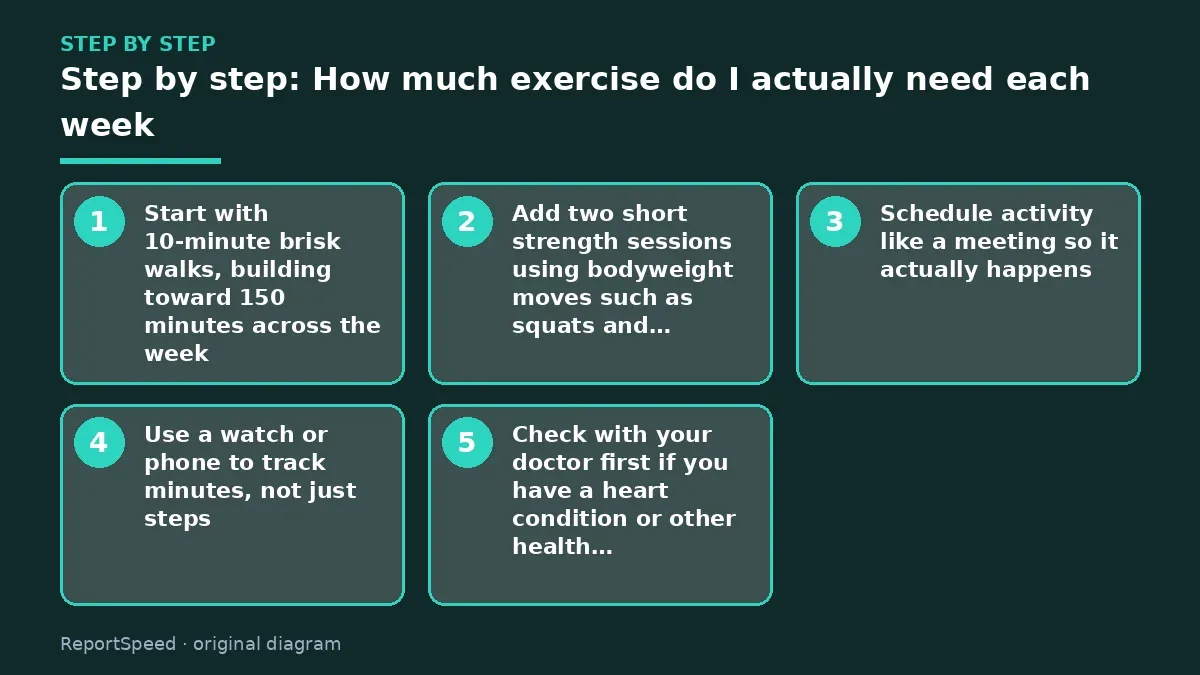
- Start with 10-minute brisk walks, building toward 150 minutes across the week.
- Add two short strength sessions using bodyweight moves such as squats and push-ups.
- Schedule activity like a meeting so it actually happens.
- Use a watch or phone to track minutes, not just steps.
- Check with your doctor first if you have a heart condition or other health concerns.
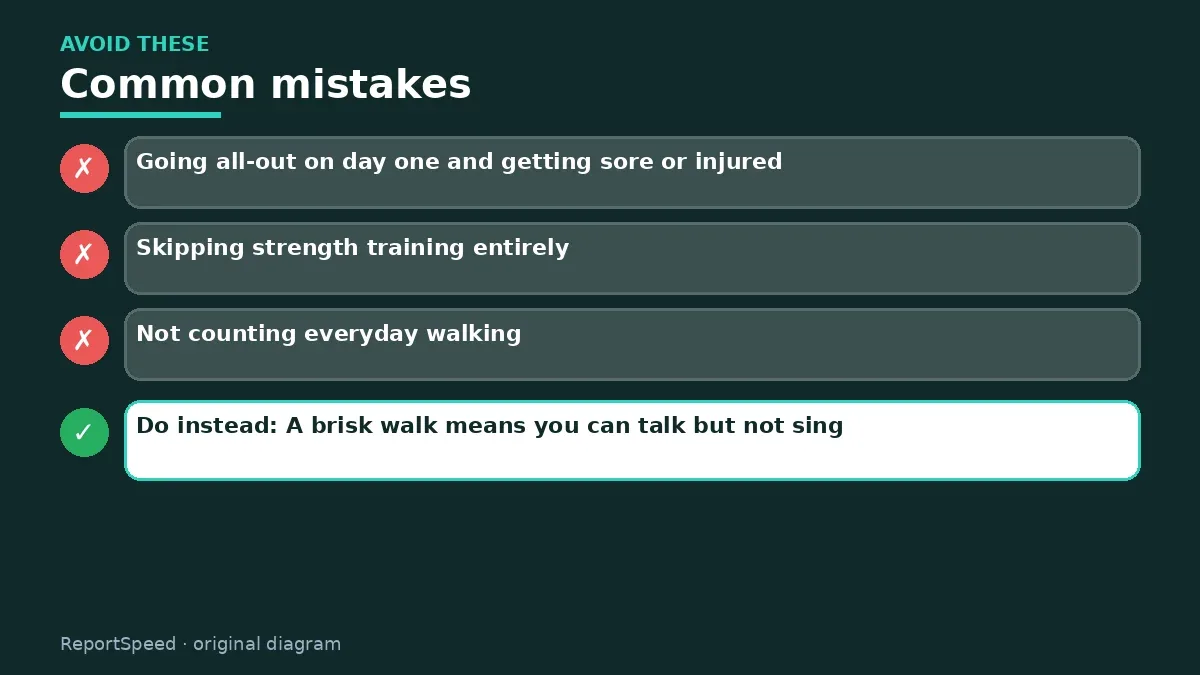
Common mistakes:
- Going all-out on day one and getting sore or injured
- Skipping strength training entirely
- Not counting everyday walking
ReportSpeedMan tip: A brisk walk means you can talk but not sing. That simple test tells you you're in the moderate zone without any device.
What I would actually do

three brisk 30-minute walks, two short strength sessions and short walk breaks at work, building up over a few weeks.
The trade-off people miss: obsessing over a step count can make you skip strength training, which the guidelines include for good reason.
Proof that it worked
Your weekly minutes reach 150 and you have two strength days most weeks.
Quick FAQ
Do short walks count?
Yes, any length counts toward the weekly total.
Is housework activity?
Vigorous chores can count as moderate activity.
How do I know it's moderate?
You can talk but not sing.
Wrap-up: Aim for 150 minutes of moderate activity and two strength days a week, built up gradually. Walking counts, and every bit adds up.
Wiki: Sleep Basics and Insomnia.
How much exercise do I actually need each week: official pages behind this answer
Step-by-step photos

1. Before The problem 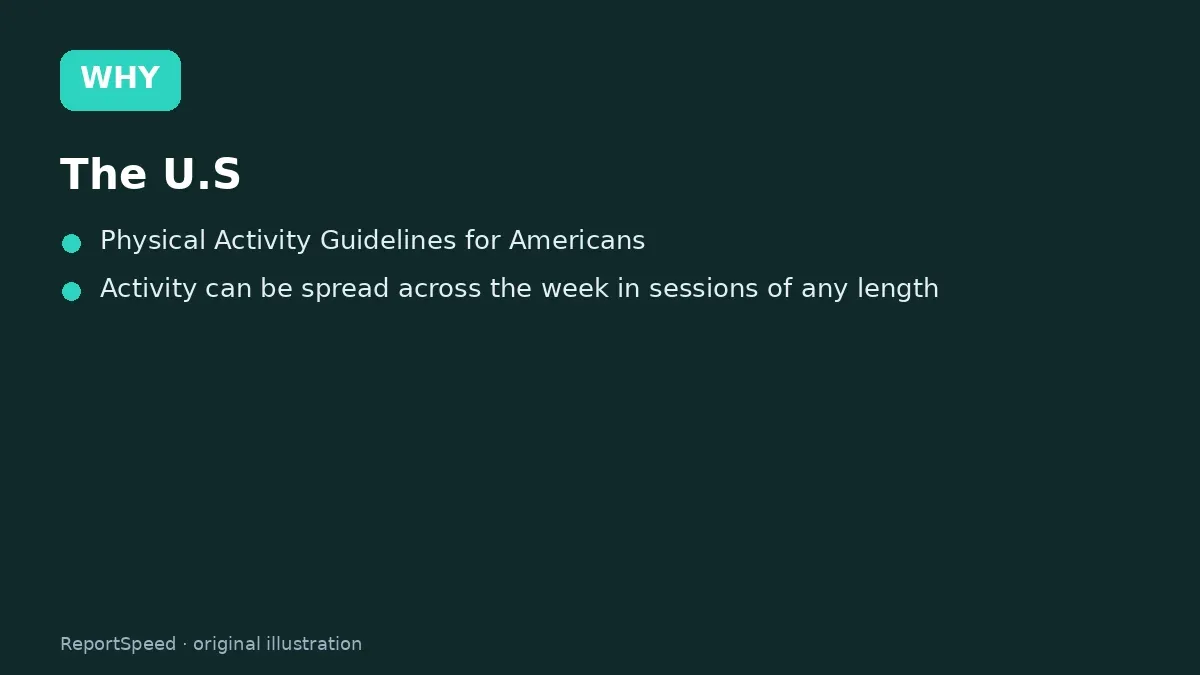
2. Why it happens The cause 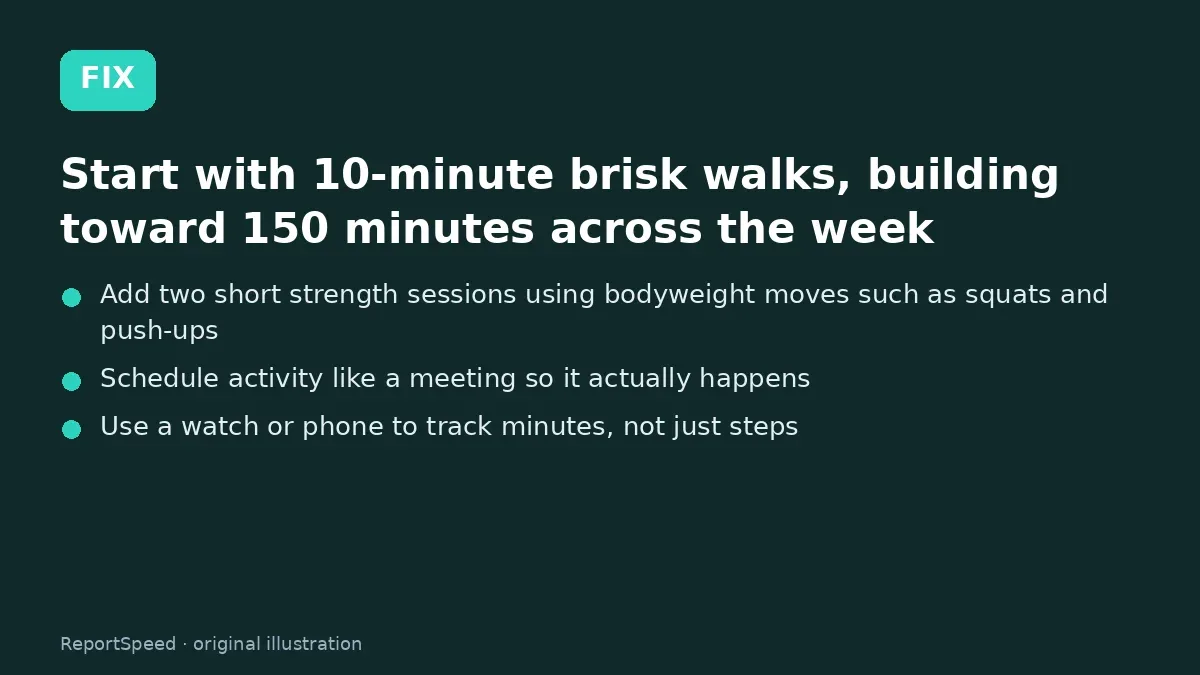
3. The fix The fix 
4. After The result
⚡ Speed Summary
- Aim for 150 minutes of moderate activity and two strength days a week, built up gradually.
- A brisk walk means you can talk but not sing. That simple test tells you you're in the moderate zone without any device.
- Waiting until you can do an hour a day often means doing nothing; short sessions count.

Was this answer helpful?
Tap a star to rate this answer.
Related questions

Is there lead in my tap water? How to check and lower your risk
Lead comes from plumbing, can't be seen, and isn't removed by boiling.
Rate itSolved
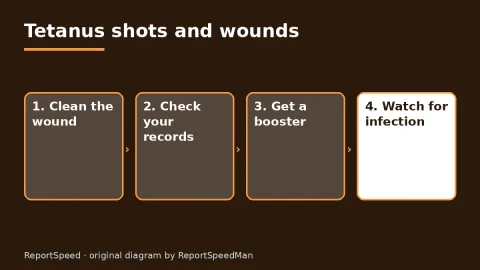
When do I need a tetanus shot? Booster timing and wounds
Boosters are every 10 years, or 5 years for dirty or puncture wounds.
Rate itSolved
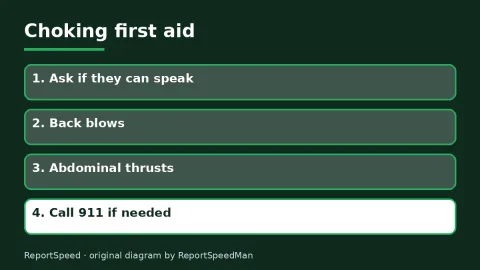
How to help someone who is choking: back blows and abdominal thrusts
Let a strong cough work.
Rate itSolved

Fever: when to call the doctor for a child or adult
At 8 months, 102.2°F is the call-now line; your baby's 101.5°F means watch closely and call if it rises or warning signs appear.
Rate itSolved
Real experiences
No experiences yet. Be the first to share.