


My doctor mentioned my blood pressure is creeping up and told me to watch my salt. I don't add much salt at the table, so I assumed I'm fine. How much sodium should I actually have per day, and where does most of it come from?
How much sodium per day is too much?
Concerns & risks
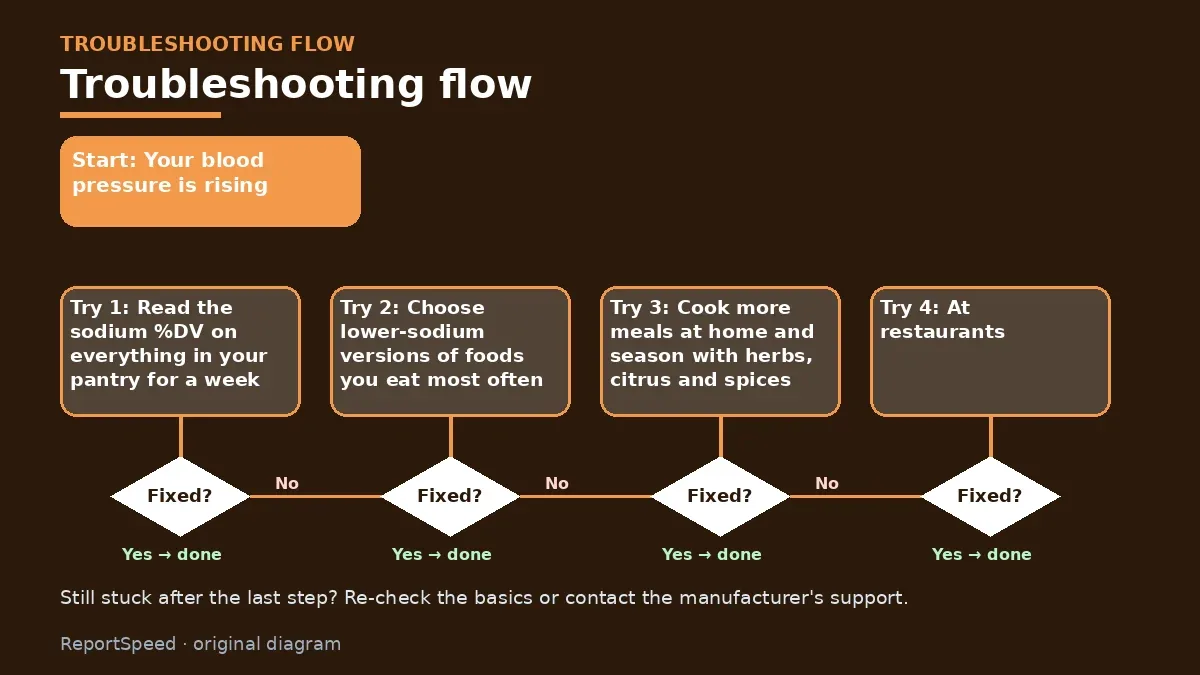
Your blood pressure is rising, your doctor mentioned salt, and you're not sure where your sodium actually comes from.
| Food | Check |
|---|---|
| Bread and rolls | Compare brands' %DV |
| Deli meats | Choose lower sodium |
| Canned soup | Look for low-sodium versions |
| Restaurant meals | Ask for sauce on the side |
Causes & evidence
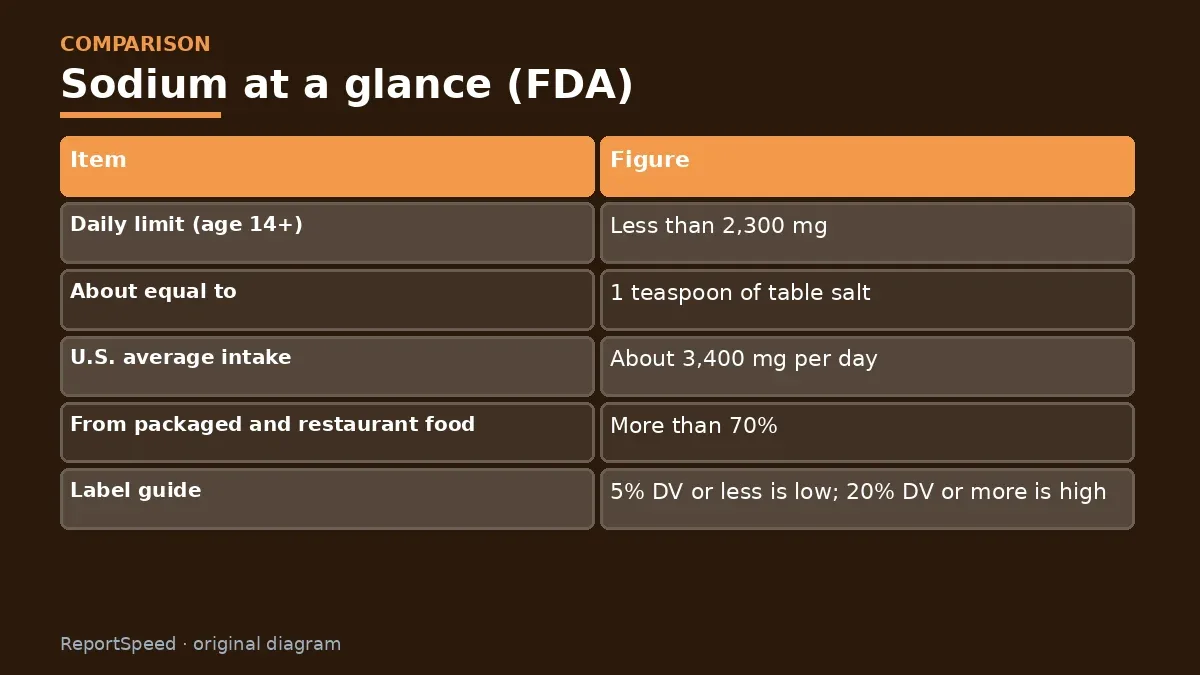
The FDA says the Dietary Guidelines for Americans recommend limiting sodium to less than 2,300 milligrams a day for people 14 and older, which is about one teaspoon of table salt. Americans eat an average of about 3,400 milligrams a day. More than 70% of the sodium people eat comes from packaged and prepared foods and restaurant meals, not from salt added while cooking or at the table. On the Nutrition Facts label, 5% Daily Value or less of sodium per serving is considered low and 20% or more is considered high.
Some people, such as those with high blood pressure, may be advised to aim lower. Potassium-rich foods like fruits and vegetables are also part of heart-healthy eating.
Focusing only on the salt shaker misses the bread, deli meats, soups, sauces and restaurant meals where most sodium hides.
What to do
| Item | Figure |
|---|---|
| Daily limit (age 14+) | Less than 2,300 mg |
| About equal to | 1 teaspoon of table salt |
| U.S. average intake | About 3,400 mg per day |
| From packaged and restaurant food | More than 70% |
| Label guide | 5% DV or less is low; 20% DV or more is high |
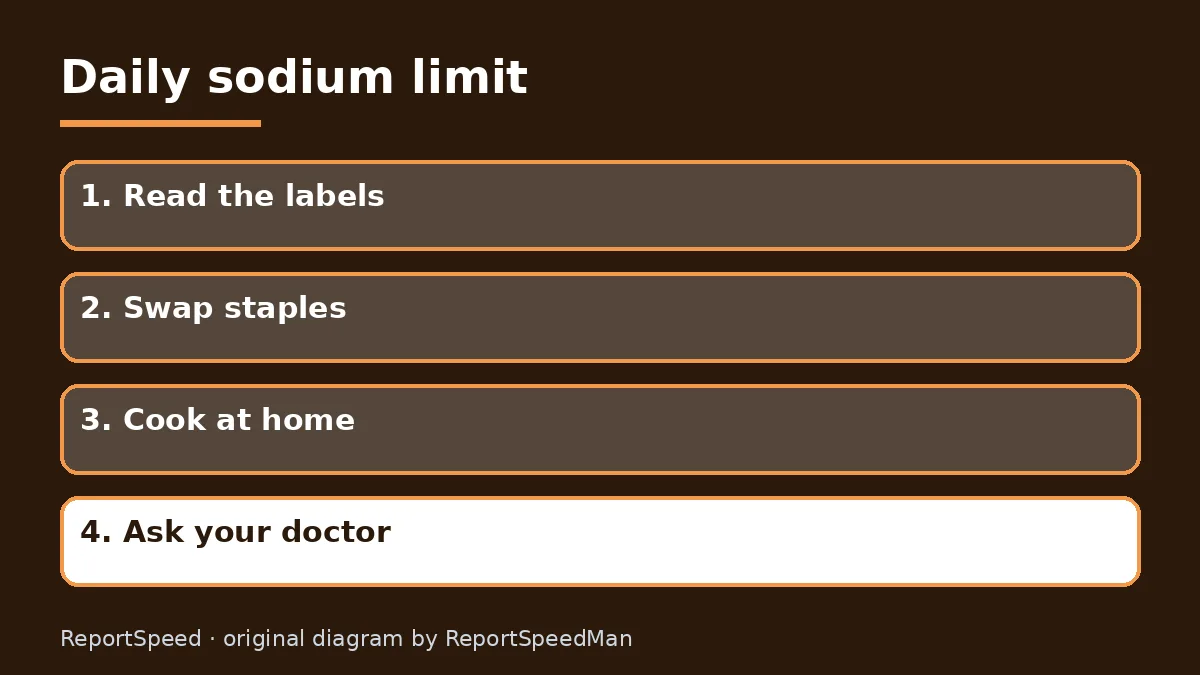
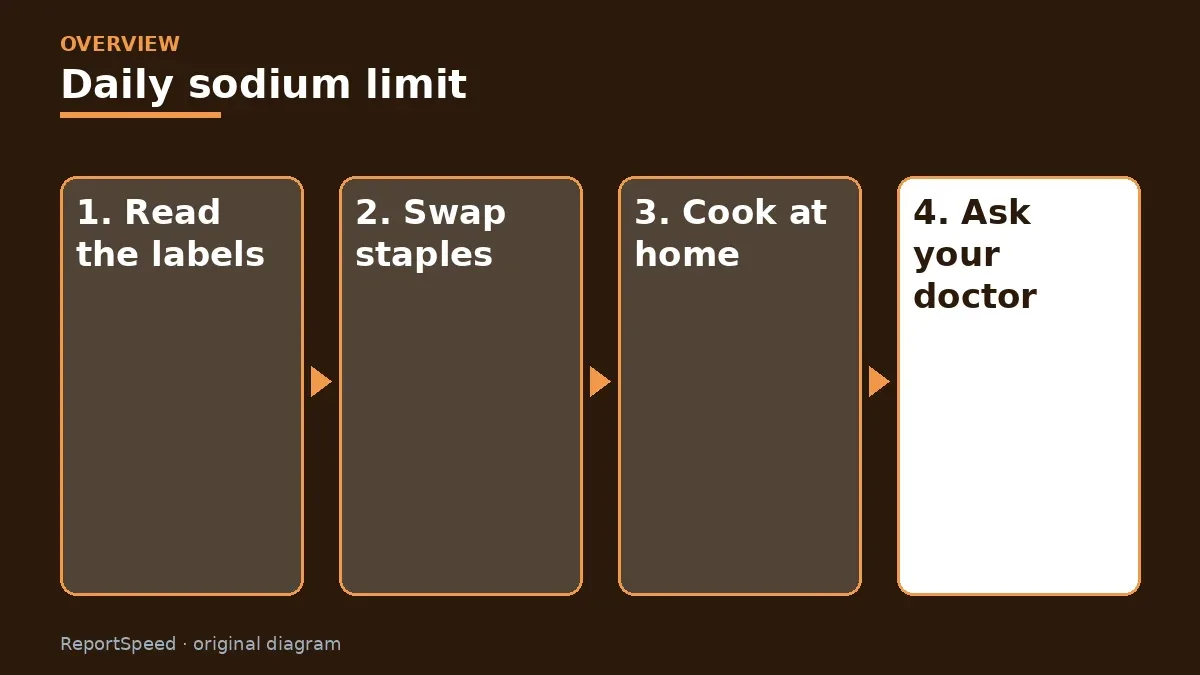
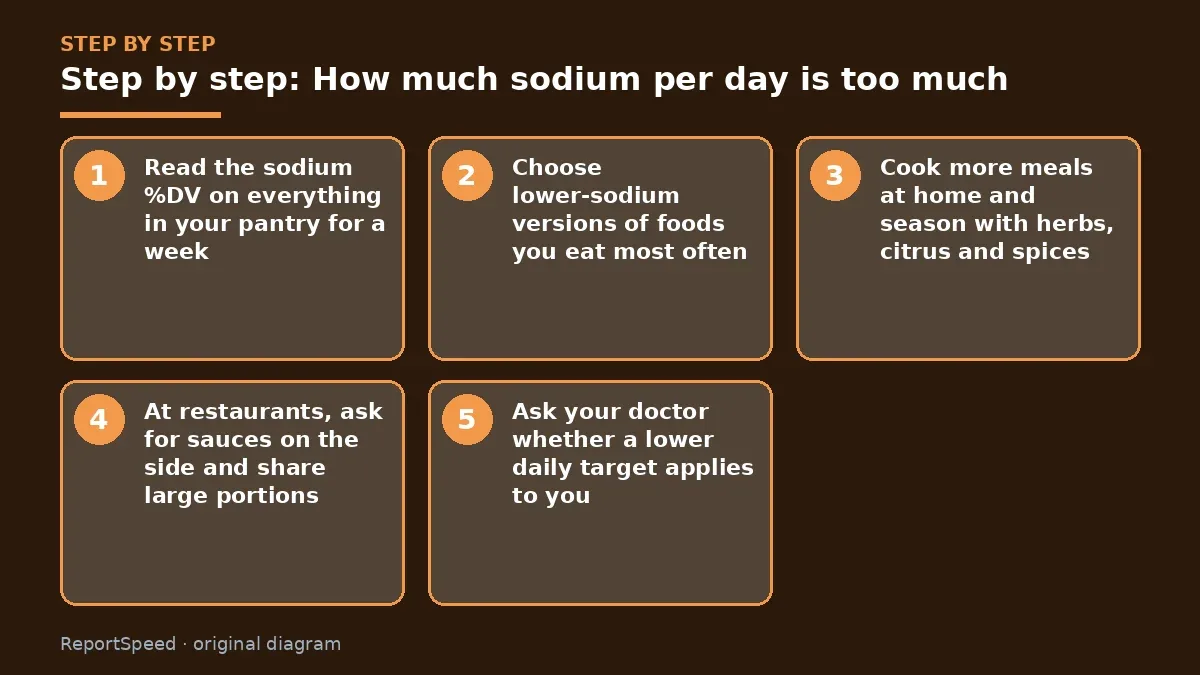
- Read the sodium %DV on everything in your pantry for a week.
- Choose lower-sodium versions of foods you eat most often, like bread, soup and sauces.
- Cook more meals at home and season with herbs, citrus and spices.
- At restaurants, ask for sauces on the side and share large portions.
- Ask your doctor whether a lower daily target applies to you.
Common mistakes:
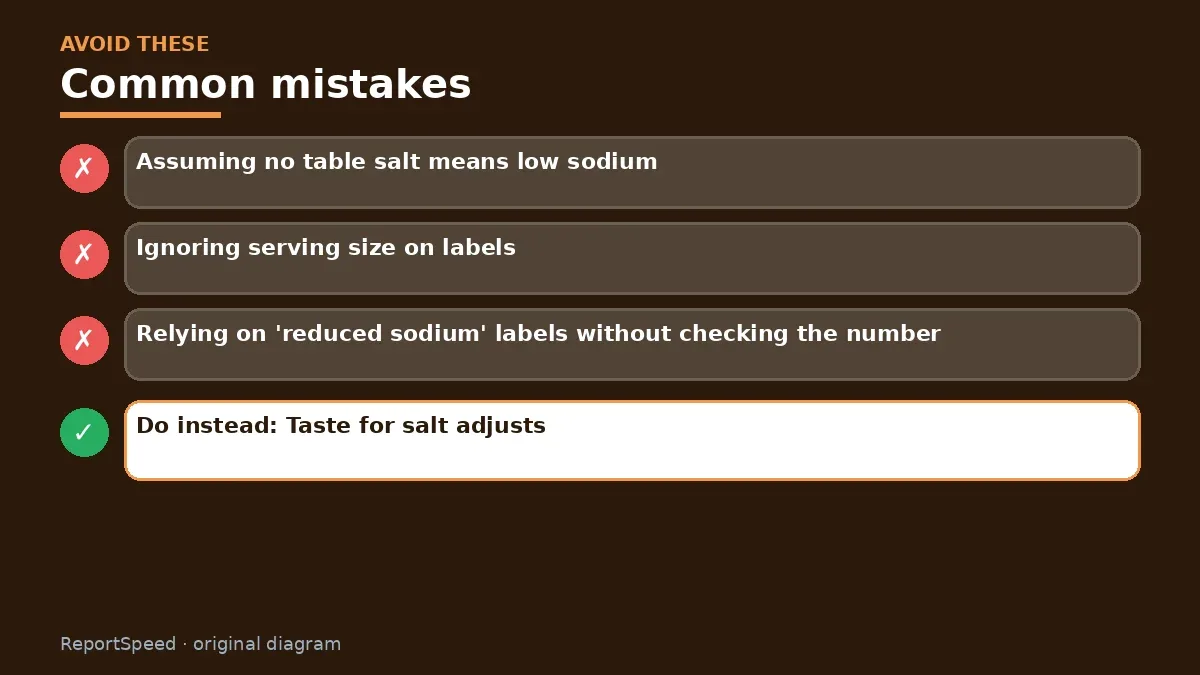
- Assuming no table salt means low sodium
- Ignoring serving size on labels
- Relying on 'reduced sodium' labels without checking the number
ReportSpeedMan tip: Taste for salt adjusts. Many people find that after a few weeks of lower-sodium food, salty foods start tasting too salty.
What I would actually do
I'd read labels on the five foods I eat most and swap the highest-sodium ones first; that usually cuts more than skipping the salt shaker.
The trade-off people miss: 'low-fat' or 'healthy' versions of foods sometimes add sodium to keep the taste, so check the label anyway.
Did it work? How to check
Your usual foods are lower sodium and your daily total stays under the limit.
Quick FAQ
Is sea salt lower in sodium?
Not by weight in a meaningful way.
Does 'reduced sodium' mean low?
It means less than the original, not necessarily low.
Do I need to cut salt to zero?
No; stay under the limit.
Wrap-up: Keep sodium under 2,300 mg a day, focus on packaged and restaurant food first and use the 5/20 rule on labels. Ask your doctor about your personal target.
Wiki: Sleep Basics and Insomnia and Common Cold vs. Flu.
How much sodium per day is too much: official pages behind this answer
Step-by-step photos
1. Before The problem 
2. Why it happens The cause 
3. The fix The fix 
4. After The result
⚡ Speed Summary
- Keep sodium under 2,300 mg a day, focus on packaged and restaurant food first and use the 5/20 rule on labels.
- Taste for salt adjusts. Many people find that after a few weeks of lower-sodium food, salty foods start tasting too salty.
- Focusing only on the salt shaker misses the bread, deli meats, soups, sauces and restaurant meals where most sodium hides.

Was this answer helpful?
Tap a star to rate this answer.
Related questions
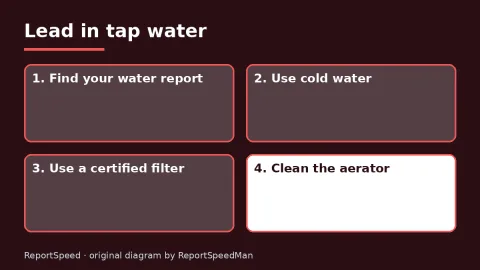
Is there lead in my tap water? How to check and lower your risk
Lead comes from plumbing, can't be seen, and isn't removed by boiling.
Rate itSolved
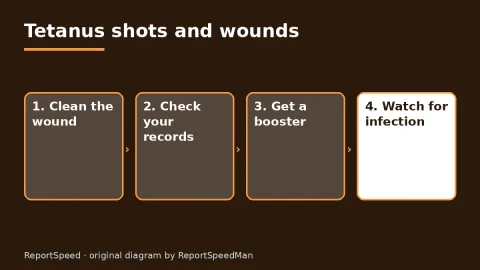
When do I need a tetanus shot? Booster timing and wounds
Boosters are every 10 years, or 5 years for dirty or puncture wounds.
Rate itSolved
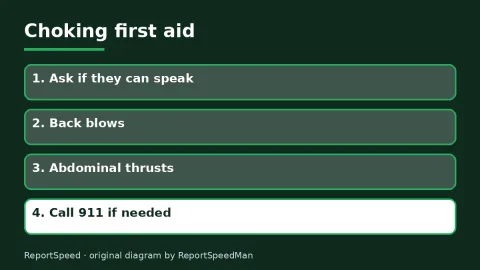
How to help someone who is choking: back blows and abdominal thrusts
Let a strong cough work.
Rate itSolved
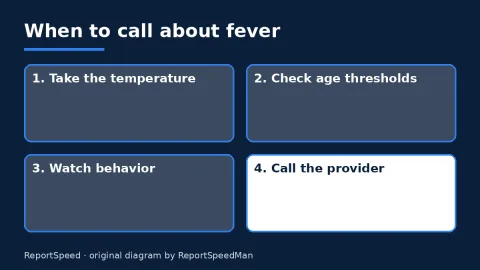
Fever: when to call the doctor for a child or adult
At 8 months, 102.2°F is the call-now line; your baby's 101.5°F means watch closely and call if it rises or warning signs appear.
Rate itSolved
Real experiences
No experiences yet. Be the first to share.