


My manager scheduled me to work Thanksgiving and Christmas Day. I assumed I'd get time-and-a-half or holiday pay, but a coworker says the company doesn't have to pay anything extra. Is that true? What does the law say about holiday pay?
Do I get paid extra for working on a holiday?

Concerns & risks
You're scheduled to work on holidays and you're not sure if you'll be paid extra.
| Source | Applies? |
|---|---|
| Federal FLSA | No holiday premium required |
| Company handbook | Check it |
| Union contract | Often includes it |
| Overtime over 40 hours | Yes, 1.5x |
Causes & evidence
The Department of Labor explains that the Fair Labor Standards Act doesn't require payment for time not worked, such as holidays off, and doesn't require extra pay for working on holidays. Holiday premiums are a matter of agreement between employer and employee or company policy. What the FLSA does require is overtime pay of at least one and a half times your regular rate for hours over 40 in a workweek for non-exempt employees, which applies whether or not the week includes a holiday. Some union contracts and employer policies offer holiday pay, and federal employees have their own holiday rules.
State laws generally don't require holiday premium pay for private employers either, though a few have special rules. Federal employees follow separate rules.
Assuming holiday premium pay without checking the handbook can lead to an unpleasant surprise on your paycheck.
What to do
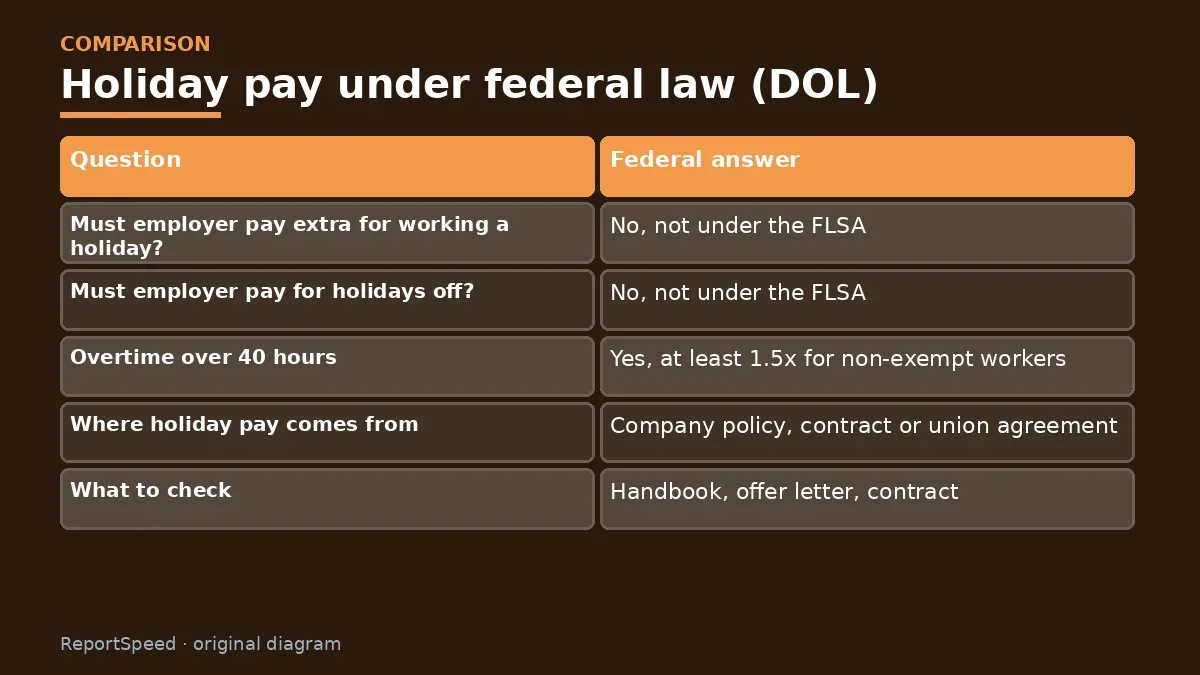
| Question | Federal answer |
|---|---|
| Must employer pay extra for working a holiday? | No, not under the FLSA |
| Must employer pay for holidays off? | No, not under the FLSA |
| Overtime over 40 hours | Yes, at least 1.5x for non-exempt workers |
| Where holiday pay comes from | Company policy, contract or union agreement |
| What to check | Handbook, offer letter, contract |
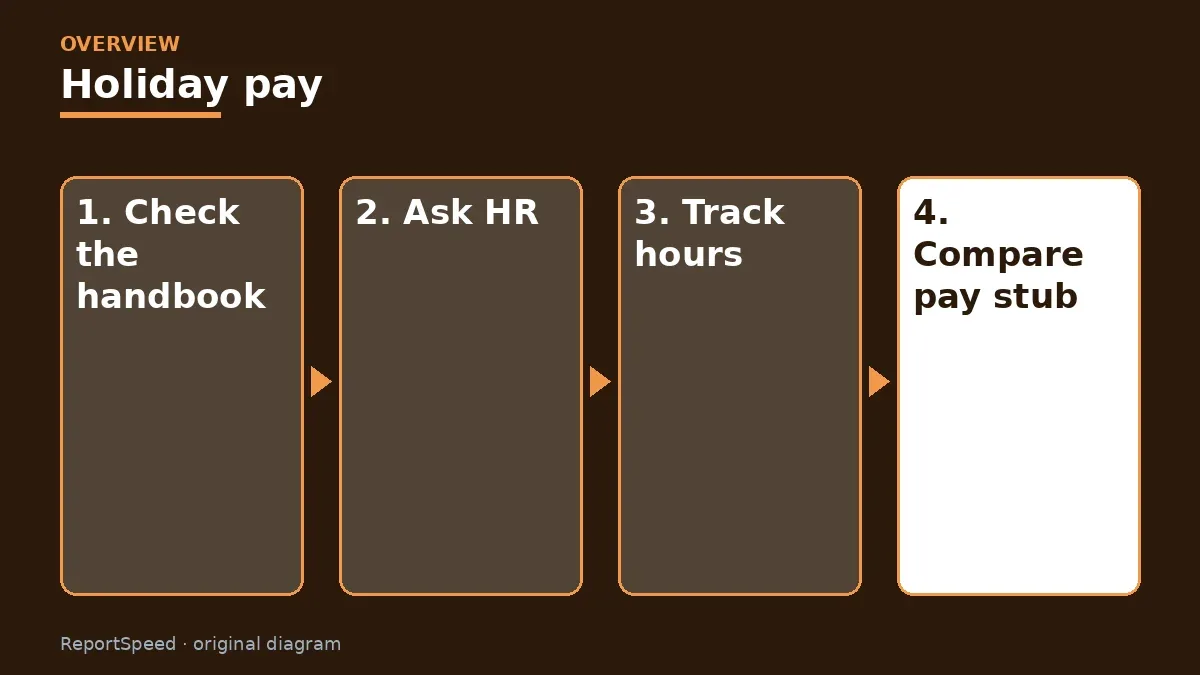
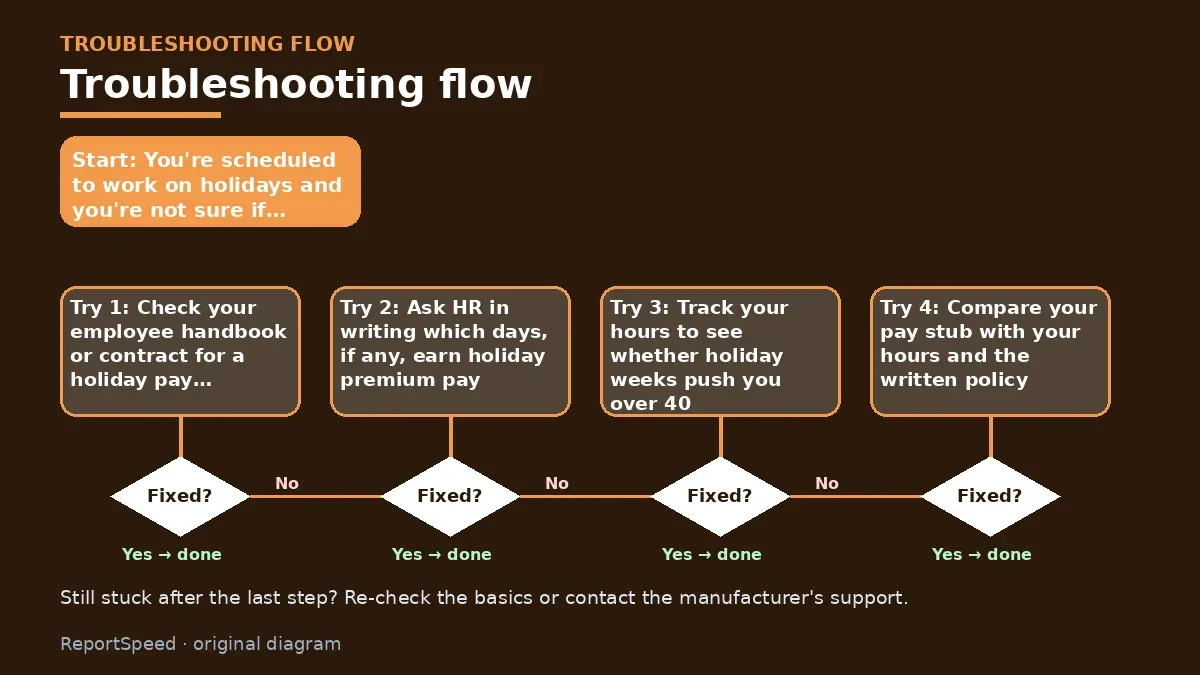
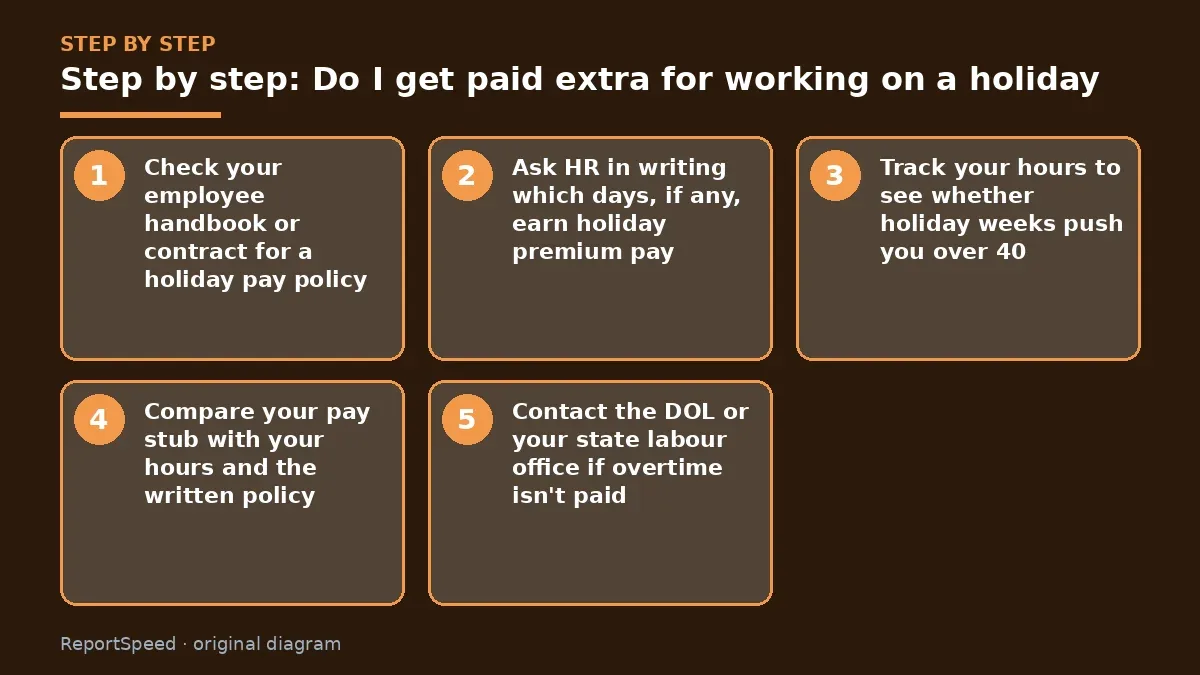
- Check your employee handbook or contract for a holiday pay policy.
- Ask HR in writing which days, if any, earn holiday premium pay.
- Track your hours to see whether holiday weeks push you over 40.
- Compare your pay stub with your hours and the written policy.
- Contact the DOL or your state labour office if overtime isn't paid.

Common mistakes:
- Assuming time-and-a-half is automatic
- Not tracking hours in holiday weeks
- Relying on what coworkers say instead of the written policy
ReportSpeedMan tip: If your employer offers holiday pay as policy, it must follow that policy consistently, so get it in writing.
What I would actually do
I'd read the handbook section on holidays and ask HR in writing which days earn extra pay before the schedule is final.
The trade-off people miss: trading a holiday shift for a different day off can be worth more than holiday premium pay if that's what the policy allows.
Did it work? How to check
You know your written holiday policy and overtime is paid in holiday weeks.
Quick FAQ
Can I refuse to work a holiday?
Generally the employer can schedule you.
Is holiday pay taxed?
Yes, like regular wages.
Do part-timers get holiday pay?
Only if policy says so.
Wrap-up: Federal law doesn't require holiday premium pay, but overtime rules still apply. Check your written policy and track hours in holiday weeks.
Wiki: Wage and Hour Basics (FLSA) and Tax Withholding and Form W-4.
Do I get paid extra for working on a holiday: official sources I checked
Step-by-step photos

1. Before The problem 
2. Why it happens The cause 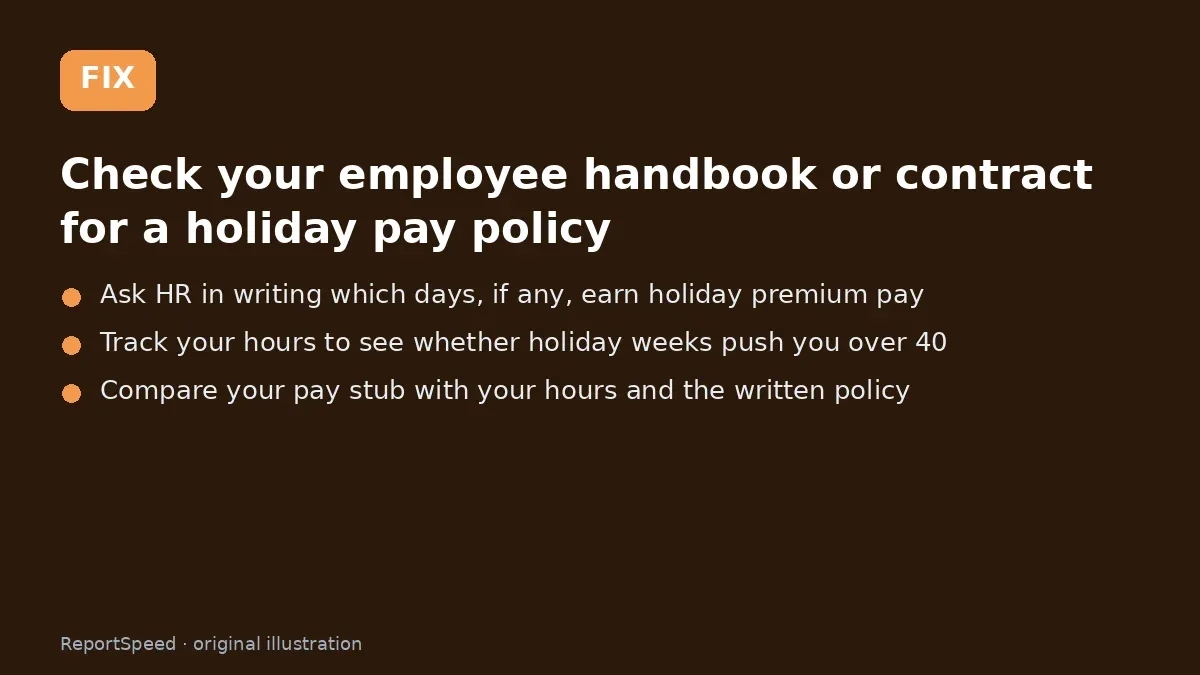
3. The fix The fix 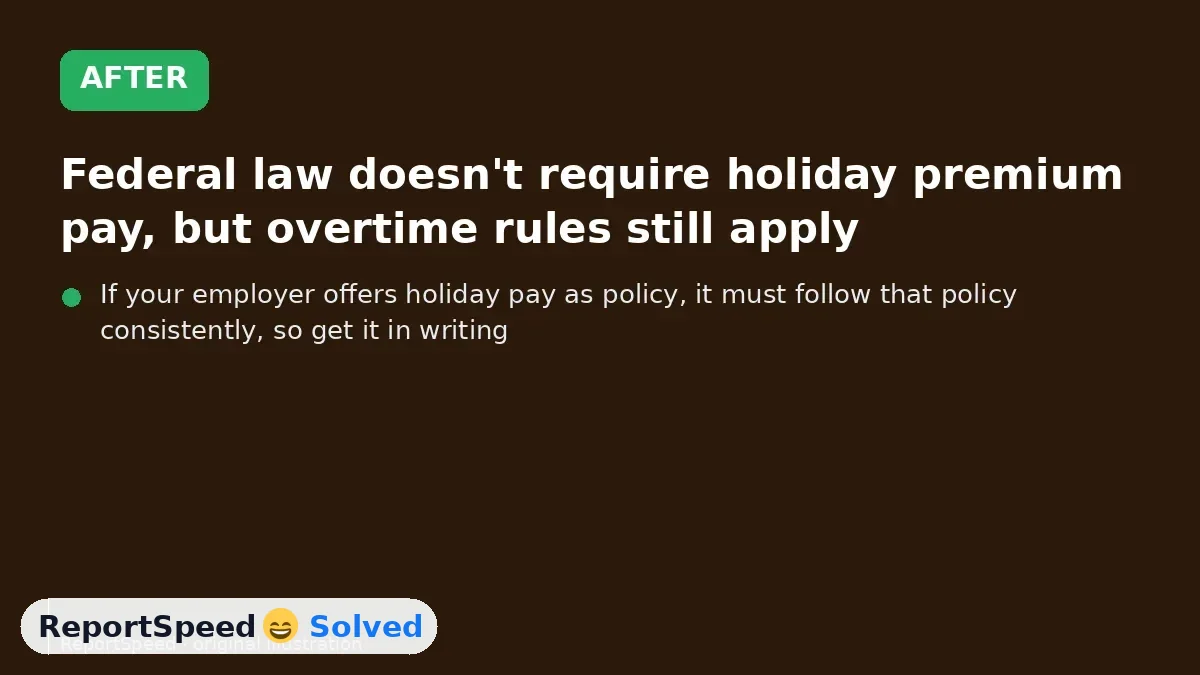
4. After The result
⚡ Speed Summary
- Federal law doesn't require holiday premium pay, but overtime rules still apply.
- If your employer offers holiday pay as policy, it must follow that policy consistently, so get it in writing.
- Assuming holiday premium pay without checking the handbook can lead to an unpleasant surprise on your paycheck.

Was this answer helpful?
Tap a star to rate this answer.
Related questions
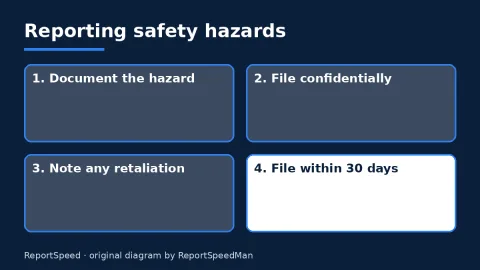
Can I be fired for reporting a safety problem at work? OSHA's 30-day rule
You can report hazards confidentially, and retaliation is illegal.
Rate itSolved

Pregnant at work: what accommodations can I ask for under the PWFA?
Under the PWFA, employers with 15+ workers must reasonably accommodate pregnancy limitations.
Rate itSolved
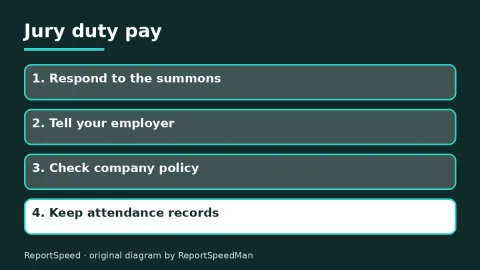
Do I get paid for jury duty, and can my employer fire me for going?
Federal jurors earn $50 a day; employer pay is optional, but firing you for federal jury service is illegal.
Rate itSolved
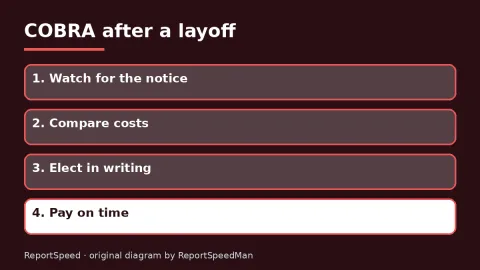
COBRA after a layoff: how long, how much and the deadlines
COBRA usually lasts 18 months, costs up to 102% of the premium, and gives you 60 days to elect and 45 days to pay.
Rate itSolved
Real experiences
No experiences yet. Be the first to share.