


A 'Microsoft' person called saying my PC is infected. Real?
Is it a scam if someone calls saying my computer has a virus?
Concerns & risks
You were trying to watch TV when the phone rang: a caller says they're from a tech company and your computer is sending out errors.
Tech support scams take money and access.
Causes & evidence
Tech companies don't cold-call about viruses. See phishing.
What to do
- Hang up.
- Never give remote access to unsolicited callers.
- If you gave access, update security software and change passwords.
- Report to the FTC at ReportFraud.ftc.gov.
Common mistakes: Common mistakes: letting the caller 'just take a look' with remote access software. Once in, scammers can install malware or steal info. Never pay for support with gift cards, wire transfers or crypto. If you gave access, disconnect from the internet, run a security scan, and change passwords from a different device. Contact your bank if you paid. Report to the FTC. Real tech companies don't cold-call you about viruses. Pop-up warnings with phone numbers and loud alarms are part of the same scam; close the browser, and if it won't close, restart the computer.
Speed Man tip: Pop-ups with phone numbers are scams too.
Wrap-up: Hang up. No remote access. Report it.
⚡ Speed Summary
- Hang up.
- No remote access.
- Report it.

Was this answer helpful?
Tap a star to rate this answer.
Related questions
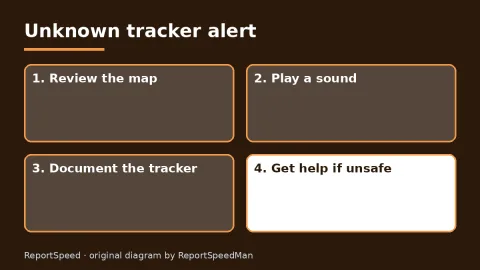
Got an 'AirTag found moving with you' alert? What to do next
Find the tracker, document it, identify the owner, and disable it.
Rate itSolved
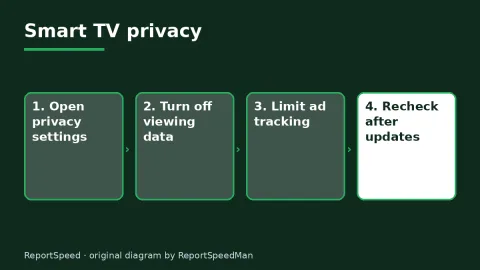
Is my smart TV tracking what I watch? How to turn off ACR
Smart TVs may use ACR to track viewing.
Rate itSolved
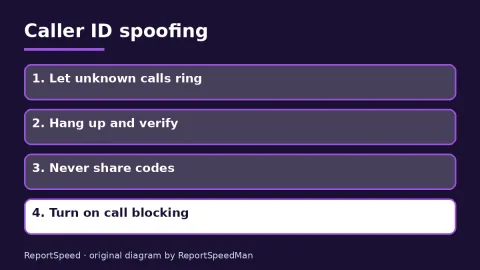
Caller ID spoofing: why scammers show a local number and how to protect yourself
Caller ID can be faked, and spoofing to defraud is illegal.
Rate itSolved
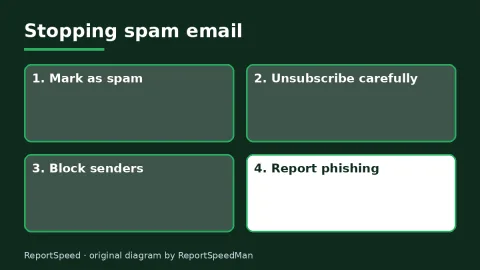
How do I stop spam emails without making it worse?
Mark spam, block repeat senders, unsubscribe only from known companies, and report phishing.
Rate itSolved
Real experiences
No experiences yet. Be the first to share.