


Is it safe to buy a used graphics card? There's a local listing for a card that's way cheaper than new, and the seller seems fine, but I keep thinking about mining cards and scams. I don't want to get burned. What should I check before I hand over the cash?
Is it safe to buy a used graphics card? What to check before you pay
Concerns & risks
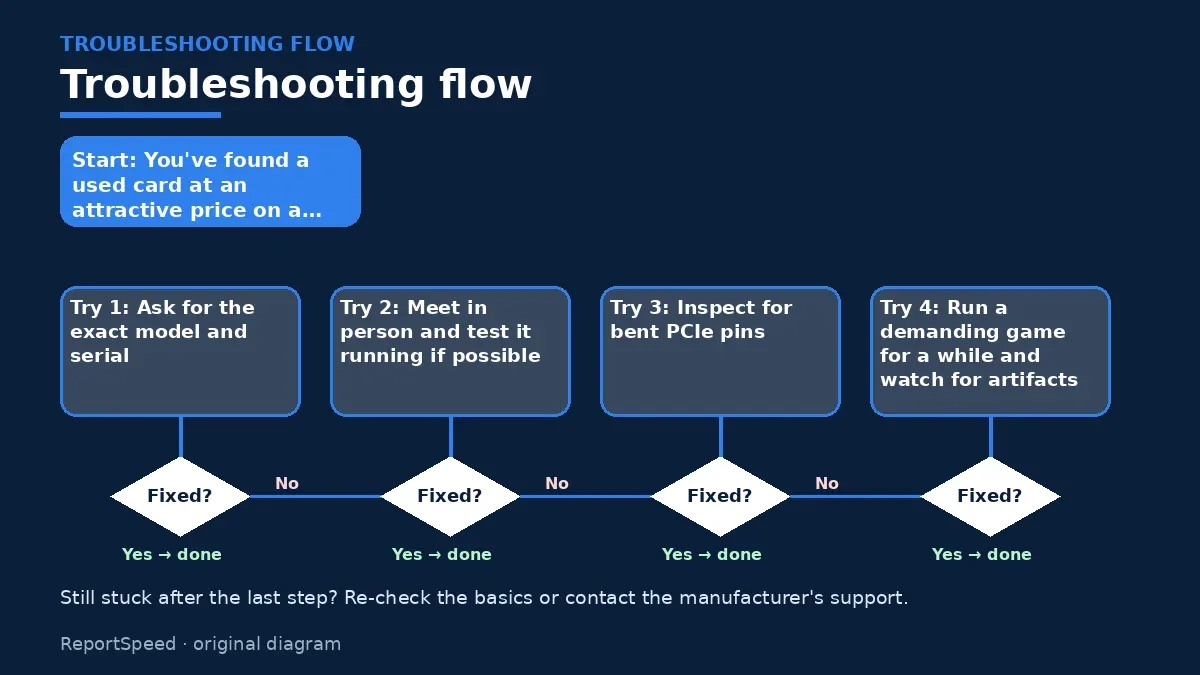
You've found a used card at an attractive price on a marketplace and you want to know what to inspect before handing over money.
| Check | Good sign | Walk away if |
|---|---|---|
| Visual condition | Clean fans, straight fins | Burn marks, bent PCB |
| Stress test in person | Stable, no artifacts | Crashes or flickering |
| Fans | Spin smoothly | Grinding or not spinning |
| Paper trail | Receipt or warranty info | Seller avoids questions |
Causes & evidence
Used cards can be perfectly fine; GPUs don't 'wear out' the way people fear. The risks are physical damage, worn fans, dried thermal pads, tampered firmware, missing warranty, and outright scams. Some makers' warranties can transfer and some can't, so check the official warranty policy.
A used card's history is the unknown. Ask for a demo in person with a demanding game or test, watch temperatures, listen for fan noise, and inspect connectors. Confirm the exact model, check any remaining warranty transfer policy, and avoid deals that seem too good to be true.
The single best protection costs nothing and most buyers skip it.
What to do

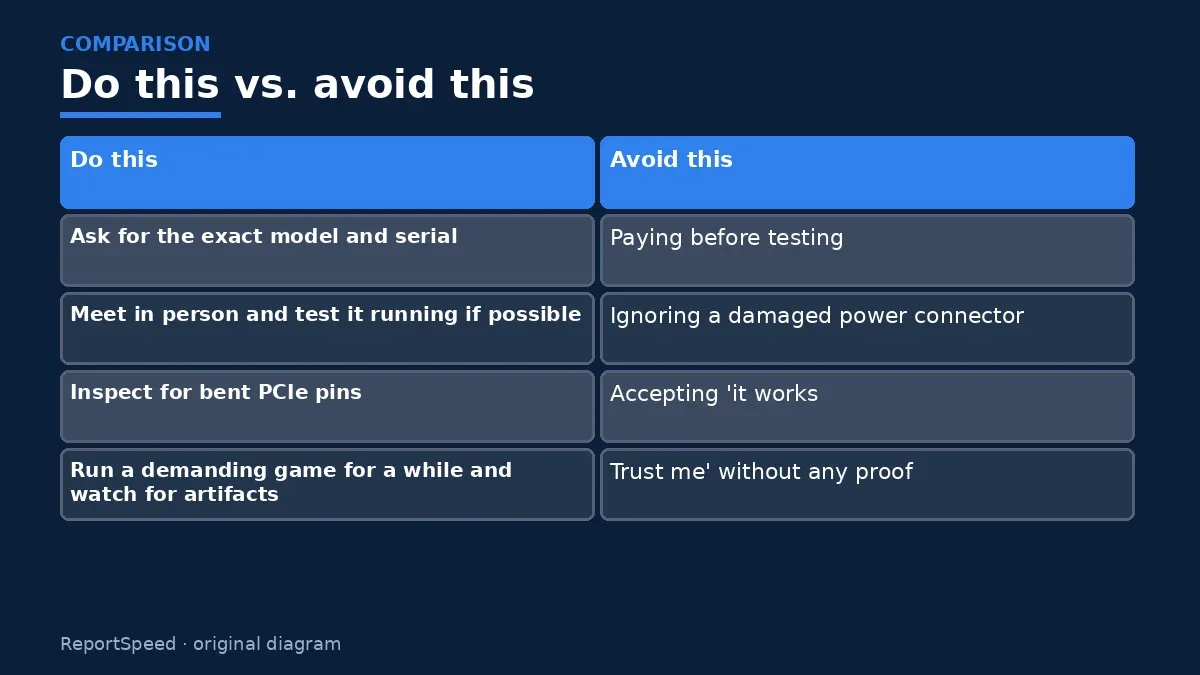
- Ask for the exact model and serial; check it on the manufacturer's site for warranty status and transfer rules.
- Meet in person and test it running if possible, or use a platform with buyer protection.
- Inspect for bent PCIe pins, cracked solder, missing screws, burn marks on power connectors, and smells.
- Run a demanding game for a while and watch for artifacts, crashes and temperatures.
- Listen for grinding fans.
- Pay with protected methods; avoid wire transfers and gift cards.
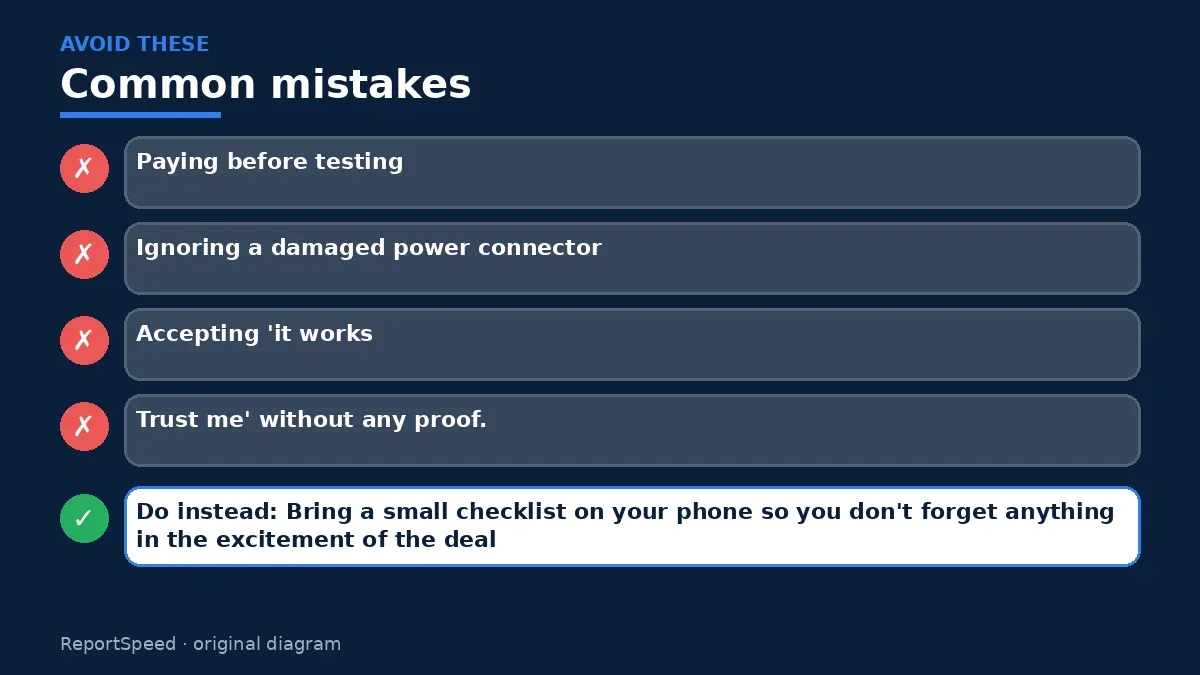
Common mistakes: Paying before testing, ignoring a damaged power connector, and accepting 'it works, trust me' without any proof.
ReportSpeedMan tip: Bring a small checklist on your phone so you don't forget anything in the excitement of the deal.
What I would actually do
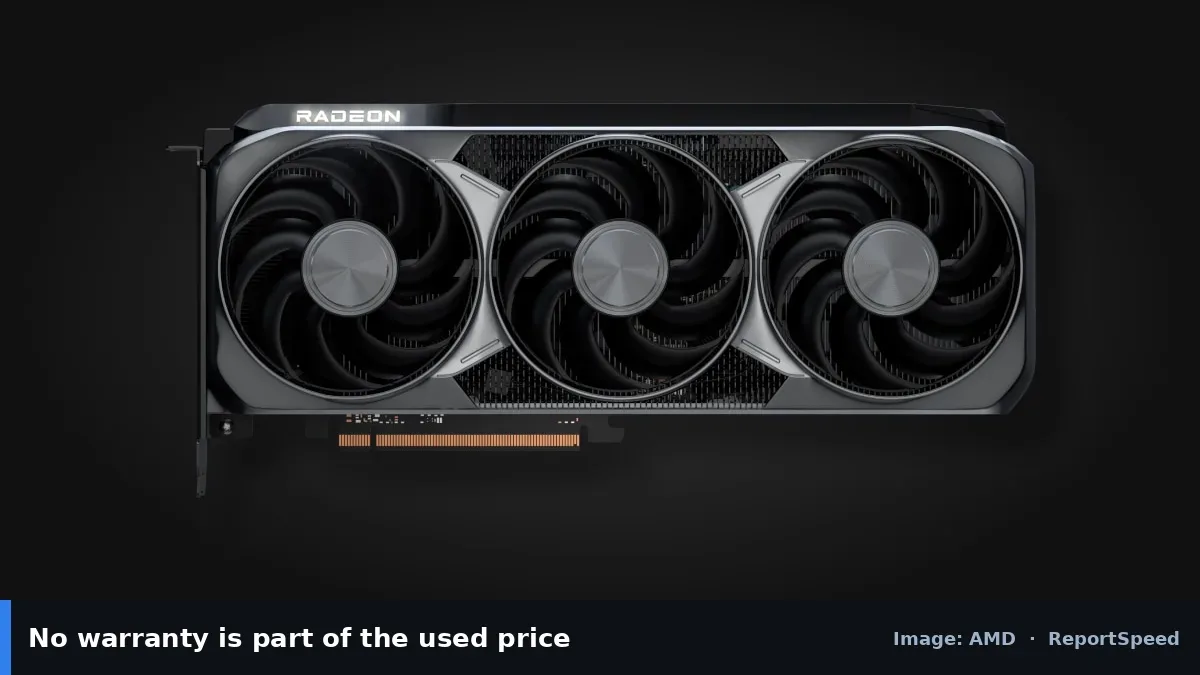
only buy used if I can see it run in person or have buyer protection. No test, no deal.
The trade-off people miss: a used card's lack of warranty is part of the price. Compare against a new card's price with warranty, not just the sticker.
Builder's note: Also think about what you lose: a new card usually comes with a full warranty, retailer returns and a clean history, so the used discount should be meaningful enough to make up for that. If the price gap is tiny, the new card is often the smarter buy, and nobody feels sorry about choosing peace of mind.
Signs it worked
Buying used goes well when you treat it like a test drive, not a favor. If the seller won't let you see the card running, walk away. After purchase, run your own games for an evening, watch temperatures and listen for coil whine or rattling fans. If something's off, contact the seller or platform quickly while protection still applies.
Quick FAQ
Are former mining cards bad?
Not necessarily. Condition, cooling and fan health matter more than history alone.
Should I pay via secure methods?
Yes, use payment methods with buyer protection.
What tests are quick?
A game demo, a temperature check and checking the model in GPU-Z or device manager.
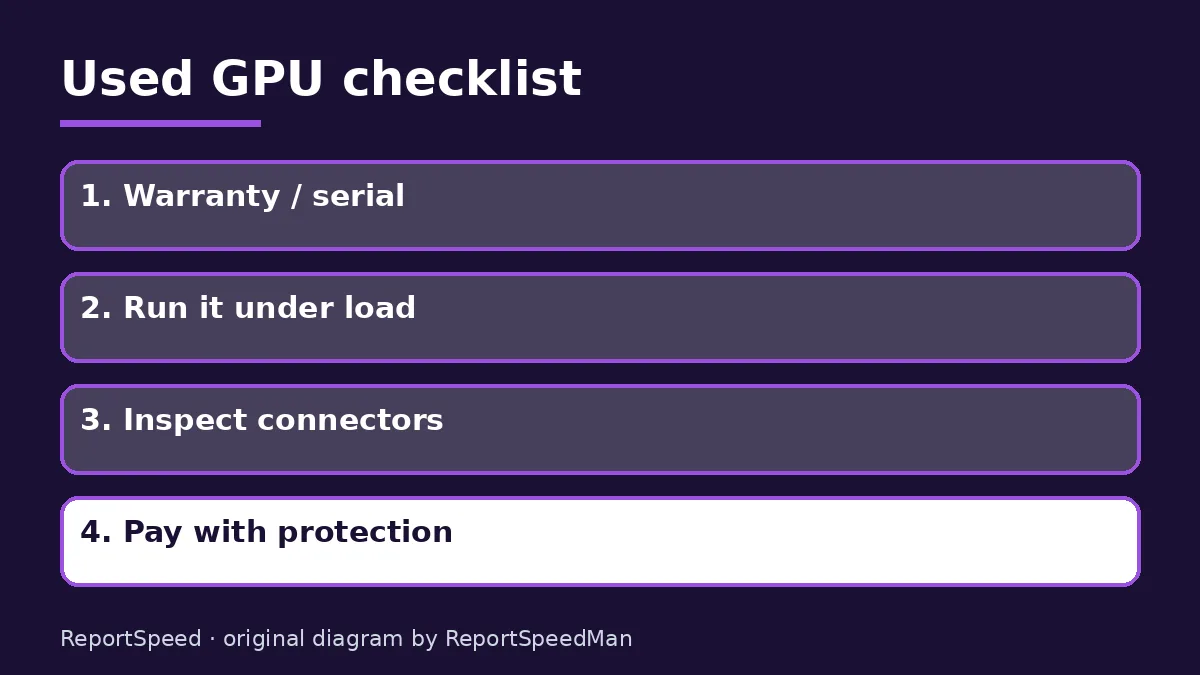
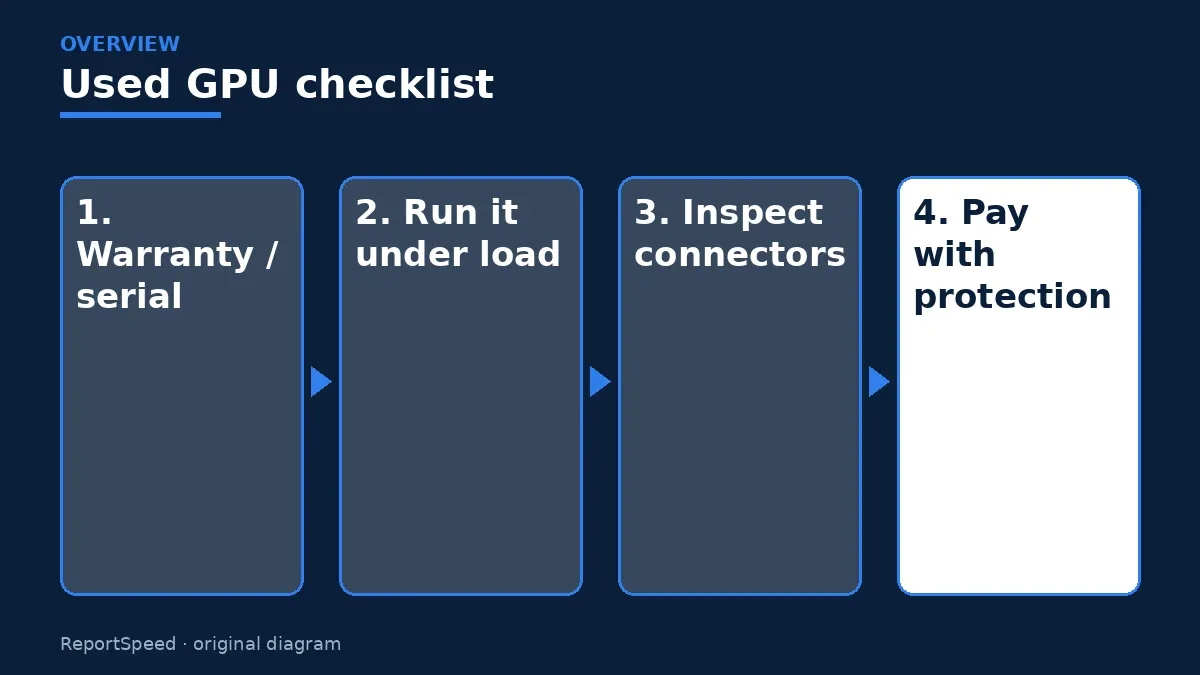
Wrap-up: Verify warranty, test it running, inspect connectors, pay with protection. Used can be a fantastic value when you do the homework.
Wiki: Thermal Throttling.
Is it safe to buy a used graphics card: where the facts come from
Step-by-step photos
1. Before The problem 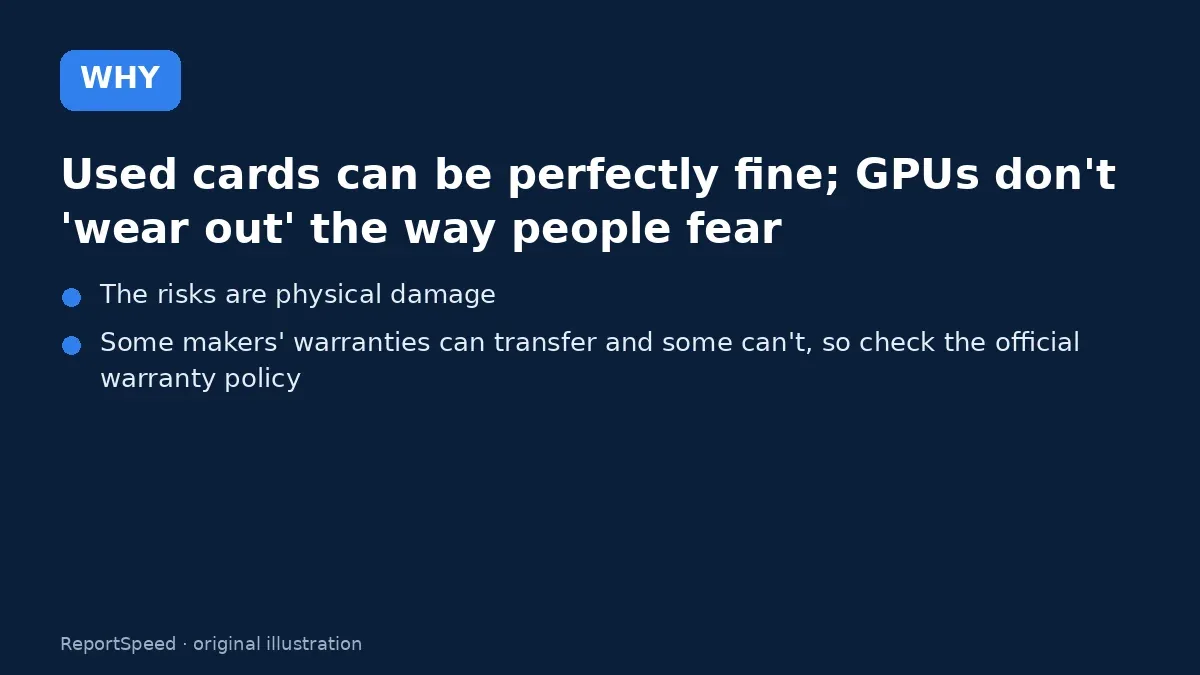
2. Why it happens The cause 
3. The fix The fix 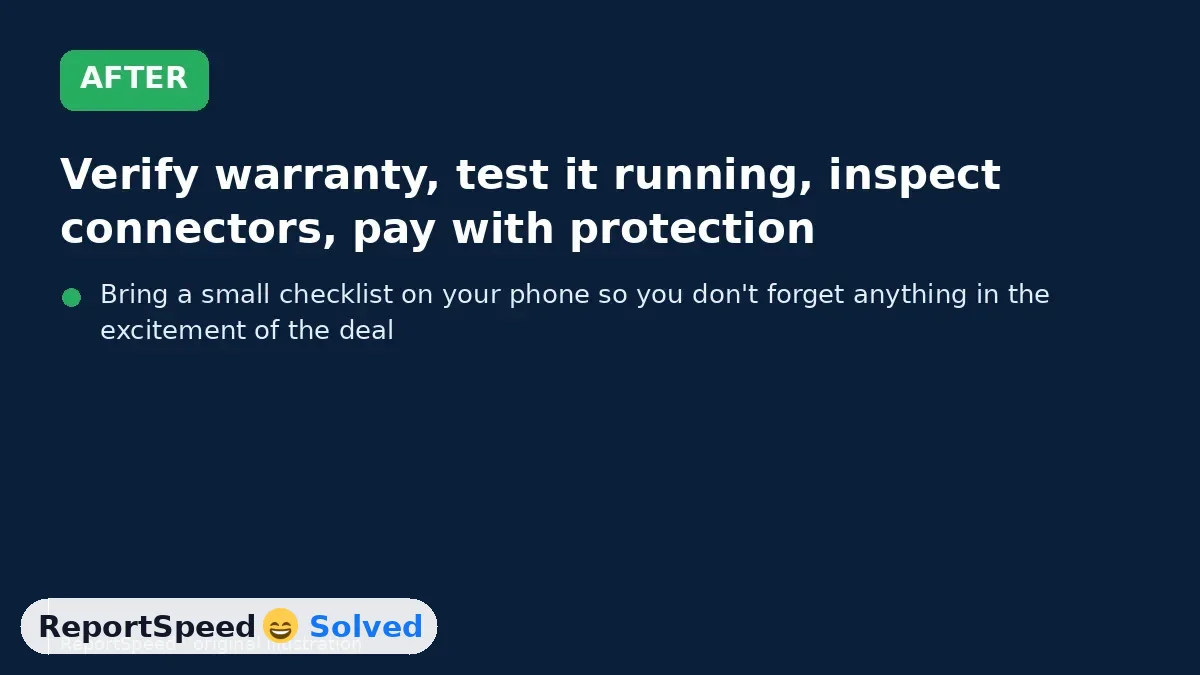
4. After The result
⚡ Speed Summary
- Verify warranty, test it running, inspect connectors, pay with protection.
- Bring a small checklist on your phone so you don't forget anything in the excitement of the deal.
- The single best protection costs nothing and most buyers skip it.

Was this answer helpful?
Tap a star to rate this answer.
Related questions
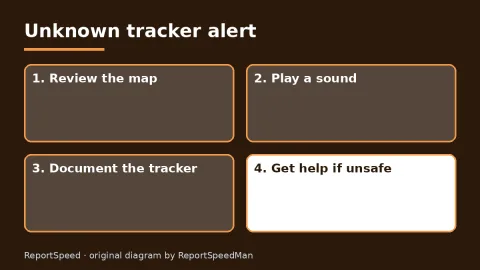
Got an 'AirTag found moving with you' alert? What to do next
Find the tracker, document it, identify the owner, and disable it.
Rate itSolved
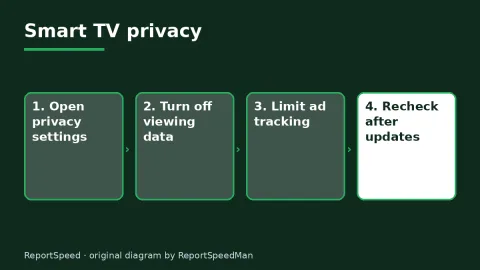
Is my smart TV tracking what I watch? How to turn off ACR
Smart TVs may use ACR to track viewing.
Rate itSolved
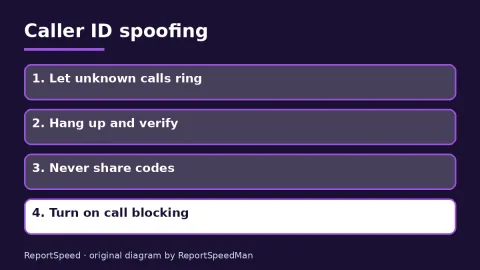
Caller ID spoofing: why scammers show a local number and how to protect yourself
Caller ID can be faked, and spoofing to defraud is illegal.
Rate itSolved
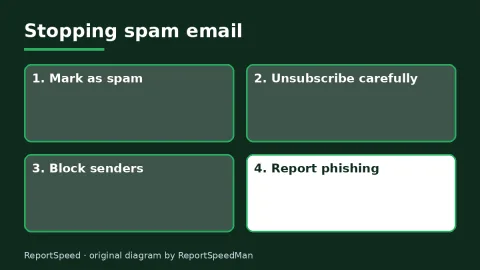
How do I stop spam emails without making it worse?
Mark spam, block repeat senders, unsubscribe only from known companies, and report phishing.
Rate itSolved
Real experiences
No experiences yet. Be the first to share.