


Someone backed into my car at about parking-lot speed last week. My 3-year-old was in her car seat behind the passenger seat. Nobody was hurt, the bumper has a dent, and the car drives fine. Do I need to replace my child's car seat after a crash like this, or only after a big one?
Do I need to replace my child's car seat after a crash?
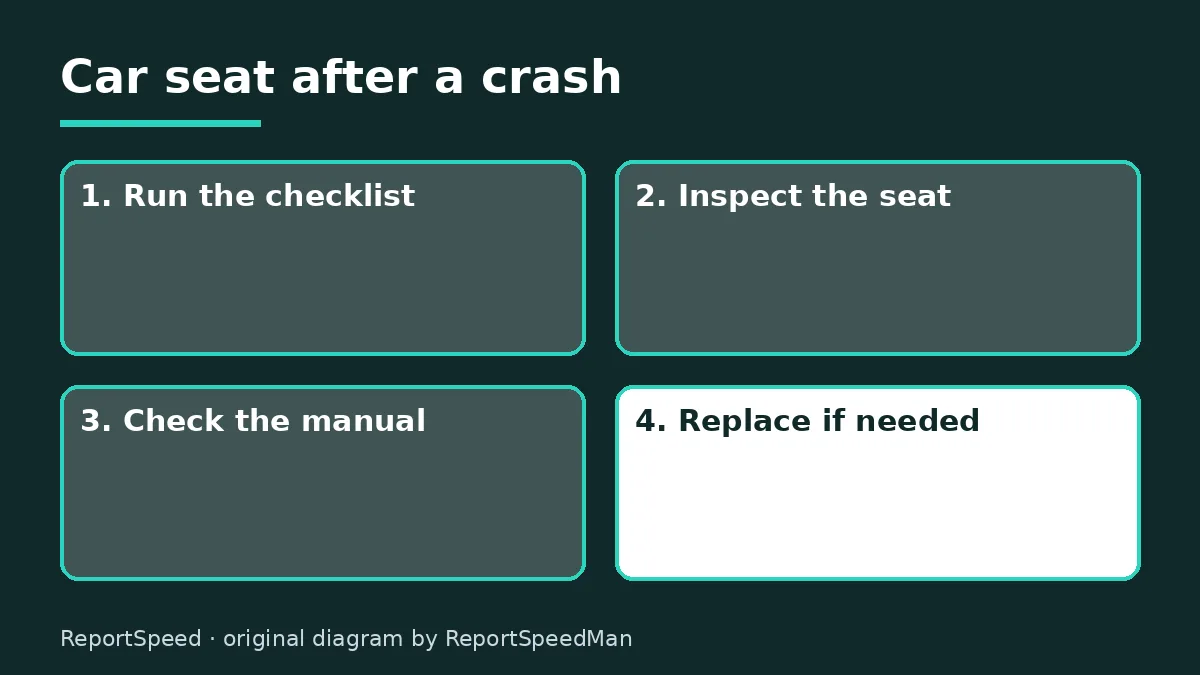
Concerns & risks
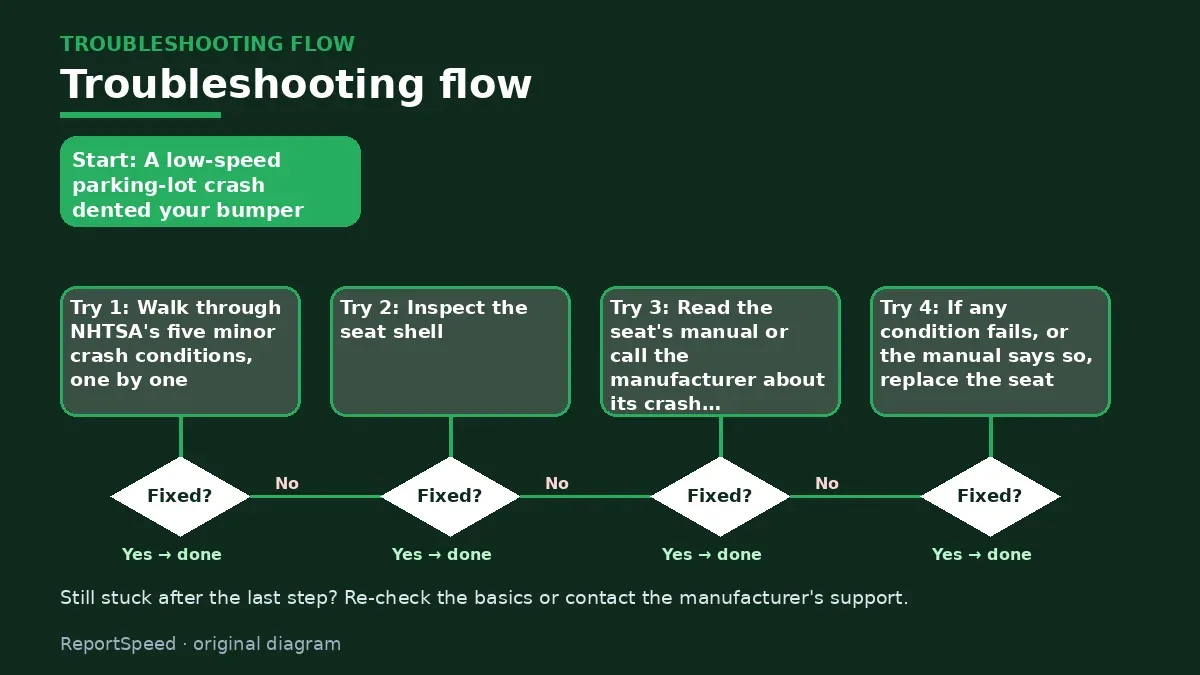
A low-speed parking-lot crash dented your bumper, nobody was hurt, and your child was in her seat.
| Situation | What to do |
|---|---|
| Moderate or severe crash | Replace |
| Minor crash, all 5 conditions met | Reuse possible |
| Manufacturer says replace after any crash | Replace |
| Booster seat in a crash | Same checks apply |
| Insurance claim | Ask about seat replacement |
| Old seat disposal | Cut straps, mark 'crashed' |
Causes & evidence
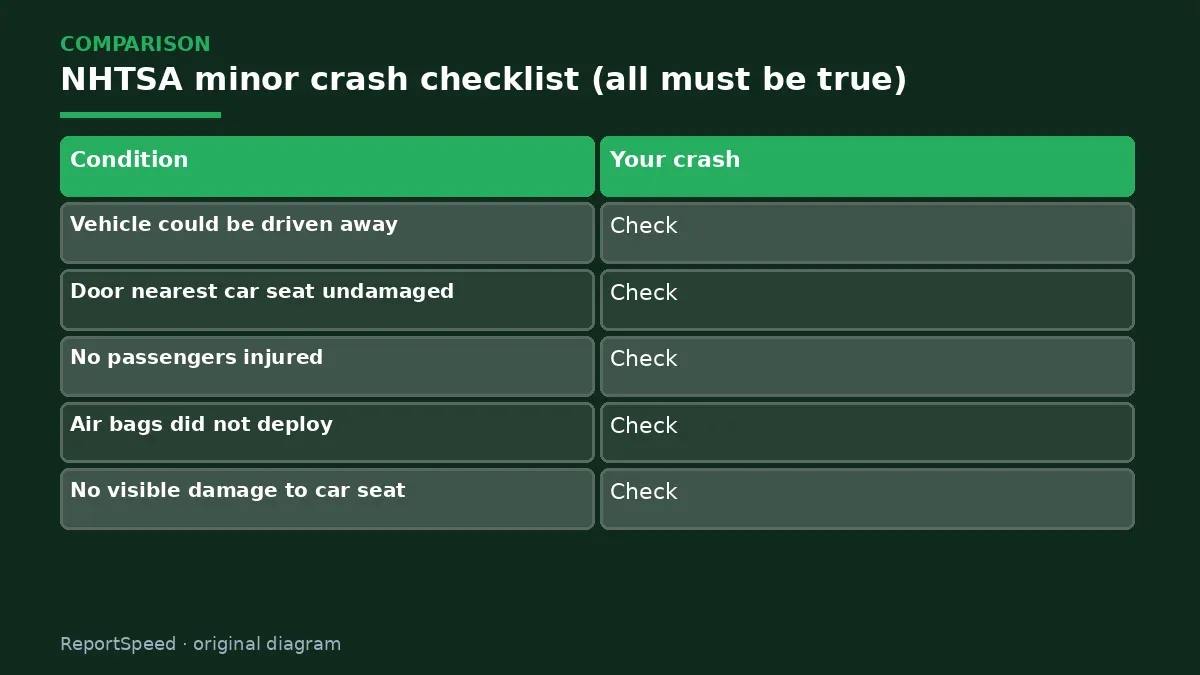
NHTSA recommends replacing car seats following a moderate or severe crash to ensure continued protection for children. A seat does not automatically need replacing after a minor crash, which NHTSA defines as one where all of the following are true: the vehicle could be driven away from the crash site; the vehicle door nearest the car seat was undamaged; none of the passengers were injured; the air bags (if present) did not deploy; and there is no visible damage to the car seat. If even one of those isn't true, treat it as moderate or severe. Car seat manufacturers can set their own rules, and some say to replace a seat after any crash, so check the seat's manual or call the manufacturer. Some auto insurers cover a replacement seat as part of a claim.
Edge cases: check the seat's expiration date and recall status as well. Some manufacturers replace seats after any crash, overriding NHTSA's minor-crash allowance. If you bought a used seat, you may not know its crash history; NHTSA advises caution with seats of unknown history.
Judging only by the visible dent on the car, without checking the door near the seat and the seat itself, is how a damaged seat stays in use.
What to do
| Condition | Your crash |
|---|---|
| Vehicle could be driven away | Check |
| Door nearest car seat undamaged | Check |
| No passengers injured | Check |
| Air bags did not deploy | Check |
| No visible damage to car seat | Check |
| Seat manual allows reuse | Check the manufacturer's rule |
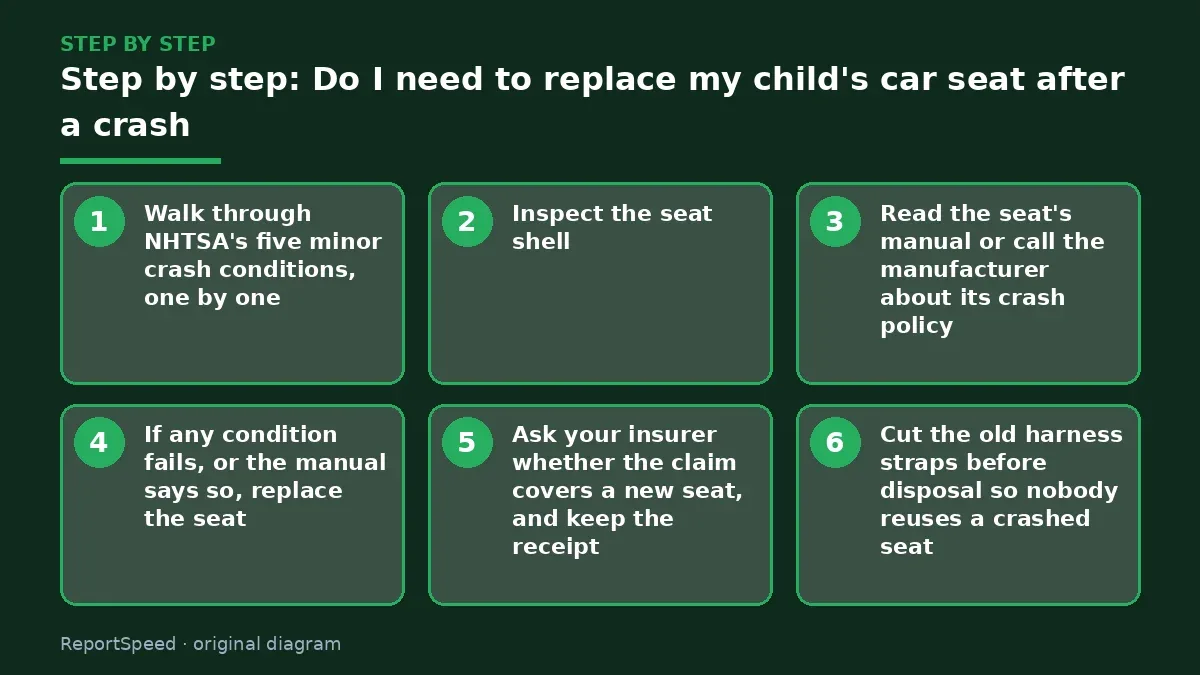
- Walk through NHTSA's five minor crash conditions, one by one.
- Inspect the seat shell, harness, buckle and base for cracks, stress marks or fraying.
- Read the seat's manual or call the manufacturer about its crash policy.
- If any condition fails, or the manual says so, replace the seat.
- Ask your insurer whether the claim covers a new seat, and keep the receipt.
- Cut the old harness straps before disposal so nobody reuses a crashed seat.
Common mistakes:
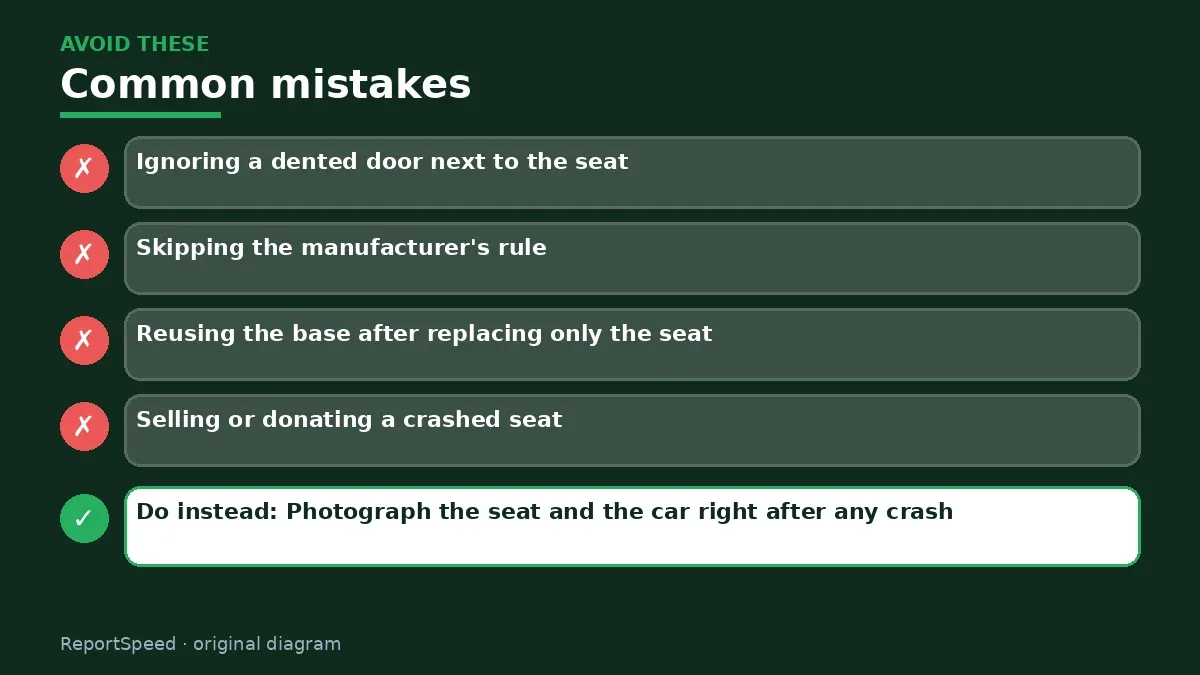
- Ignoring a dented door next to the seat
- Skipping the manufacturer's rule
- Reusing the base after replacing only the seat
- Selling or donating a crashed seat
ReportSpeedMan tip: Photograph the seat and the car right after any crash. It helps the insurance claim and helps you answer the manufacturer's questions accurately.
What I would actually do
I'd run NHTSA's checklist, inspect the seat, call the manufacturer, and ask the insurer to cover a replacement if there's any doubt.
The trade-off people miss: a new seat costs money, but a seat damaged in a way you can't see may not protect your child in the next crash.
How you can tell it worked
You've decided on reuse or replacement using all five NHTSA conditions.
Quick FAQ
Does a minor crash always mean reuse?
Only if all 5 NHTSA conditions are met and the maker agrees.
Will insurance pay?
Many insurers do; ask.
Should I sell an old crashed seat?
No.
Wrap-up: Replace the seat after a moderate or severe crash. After a minor one, reuse is possible only if all five NHTSA conditions are met and the manufacturer agrees.
Wiki: Vehicle Recalls and Kids and Screen Time.
Do I need to replace my child's car seat after a crash: primary sources
Step-by-step photos
1. Before The problem 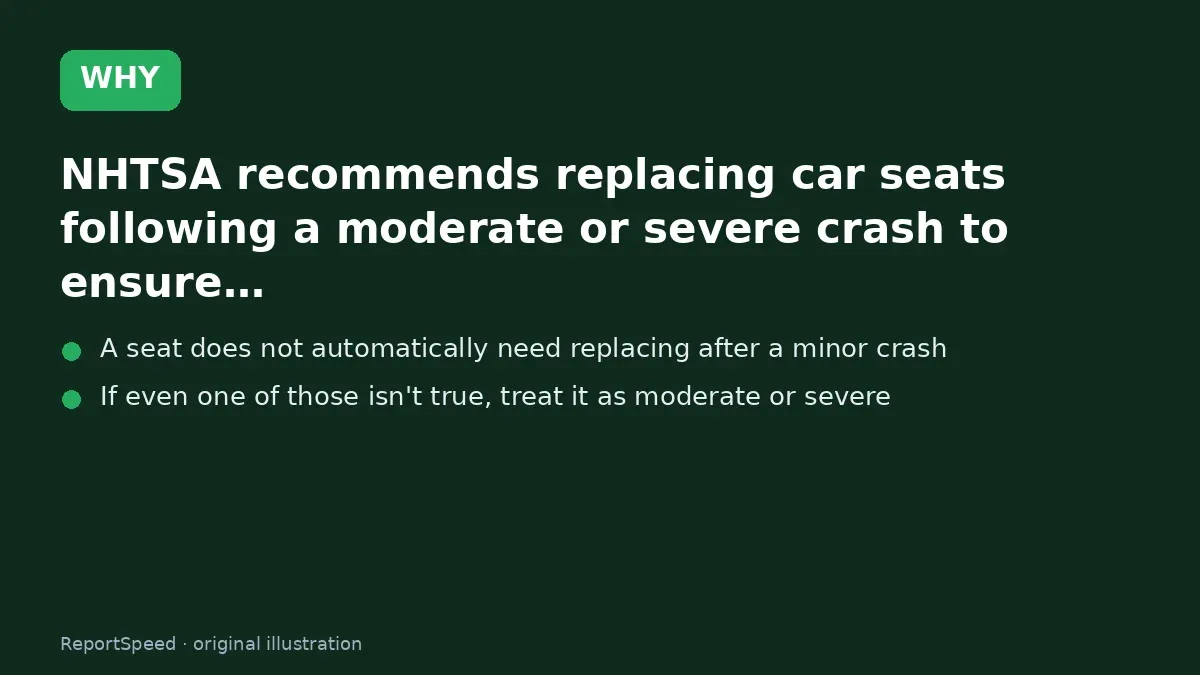
2. Why it happens The cause 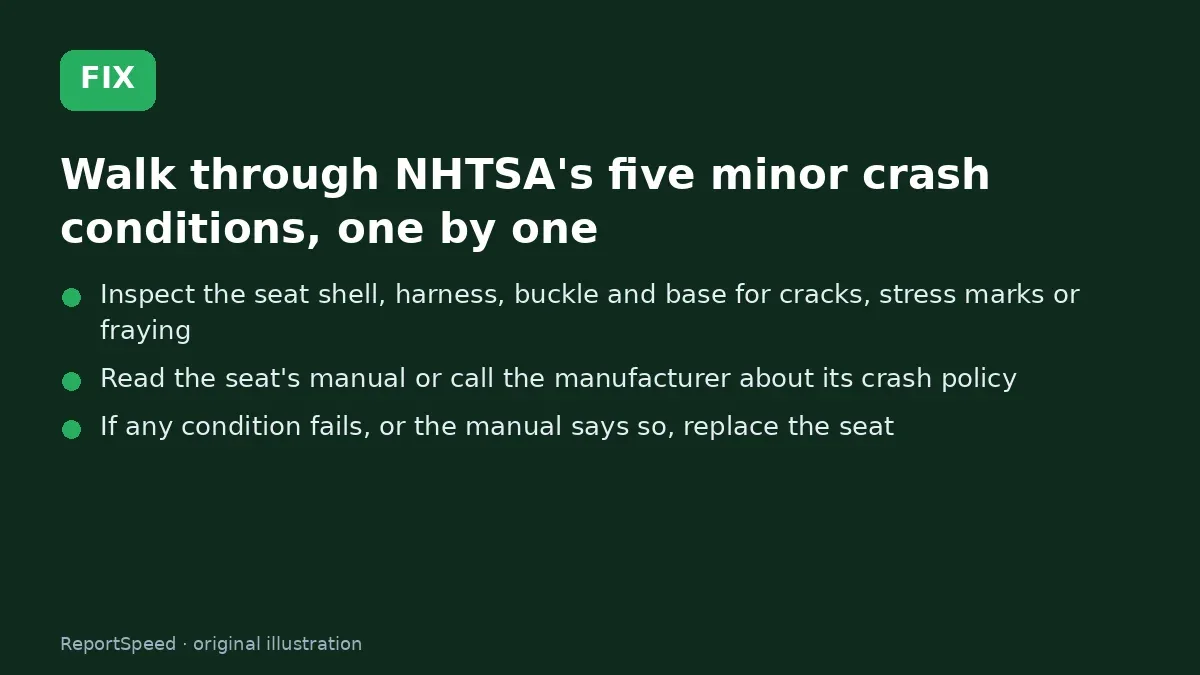
3. The fix The fix 
4. After The result
⚡ Speed Summary
- Replace the seat after a moderate or severe crash.
- Photograph the seat and the car right after any crash. It helps the insurance claim and helps you answer the manufacturer's questions accurately.
- Judging only by the visible dent on the car, without checking the door near the seat and the seat itself, is how a damaged seat stays in use.

Was this answer helpful?
Tap a star to rate this answer.
Related questions

How far should I sit from the steering wheel airbag?
Keep 10 inches from the air bag cover, tilt the wheel toward your chest, and keep kids 12 and under in the back.
Rate itSolved
Is it safe to drive through a flooded road? How much water can float a car
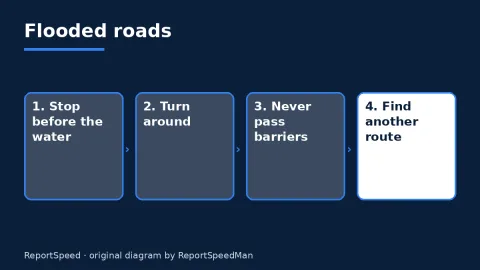
Never drive into flood water; a foot of rushing water can carry most cars.
Rate itSolved
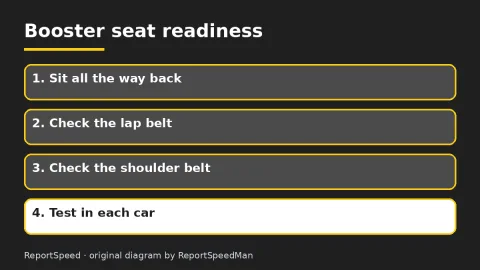
When can my child stop using a booster seat?
Keep the booster until the seat belt fits across the thighs and chest, and keep kids 12 and under in the back.
Rate itSolved
Does driving faster really waste gas? Speed and fuel economy
Above 50 mph mileage drops quickly, roughly like $0.30 more per gallon for each extra 5 mph.
Rate itSolved
Real experiences
No experiences yet. Be the first to share.