


I want to check my score but I heard looking at it hurts it. True?
Does checking my credit score lower it?
Concerns & risks
You want to watch your credit score, but someone told you every check knocks points off. So you avoid looking at all, and now you have no idea where you stand.
Avoiding your score means missing errors or fraud.
Causes & evidence
Checking your own credit is a 'soft inquiry' and doesn't affect your score. Lender applications can cause 'hard inquiries'. See credit score basics.
What to do
- Get free reports from all three bureaus at AnnualCreditReport.com.
- Use your bank or card app's free score if offered.
- Look for accounts you don't recognize.
- Dispute errors with the bureau.
Common mistakes: Common mistakes: confusing a soft inquiry with a hard one. Checking your own score or report is a soft inquiry and doesn't hurt. Hard inquiries come from applying for new credit. Another mistake is paying for reports you can get free: you can get your reports from AnnualCreditReport.com, the official site. Beware of look-alike sites that ask for card numbers or push subscriptions. Checking regularly is a smart habit that helps you catch errors and identity theft early.
Speed Man tip: Rate shopping for a mortgage or auto loan in a short window is often counted as one inquiry by scoring models.
Wrap-up: Checking your own score doesn't hurt it. Hard inquiries come from credit applications. Review reports for errors.
⚡ Speed Summary
- Checking your own score doesn't hurt it.
- Hard inquiries come from credit applications.
- Review reports for errors.

Was this answer helpful?
Tap a star to rate this answer.
Related questions
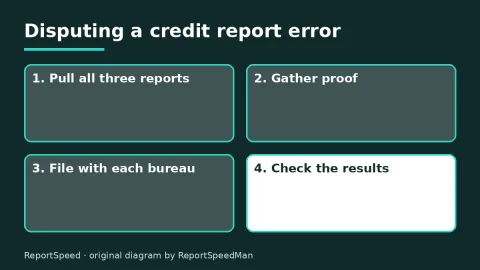
Found an error on my credit report? How to dispute it step by step
Dispute with each bureau and the furnisher, include proof, and expect results in about 30 days.
Rate itSolved
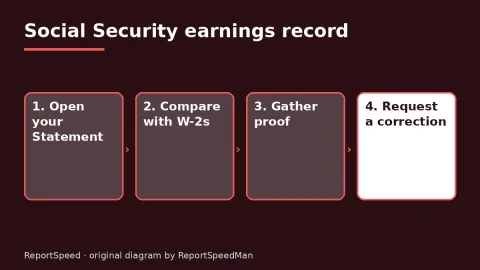
How do I check my Social Security earnings record and fix a mistake?
Check your Statement every year, match it to your W-2s, and correct gaps with proof before the usual window closes.
Rate itSolved
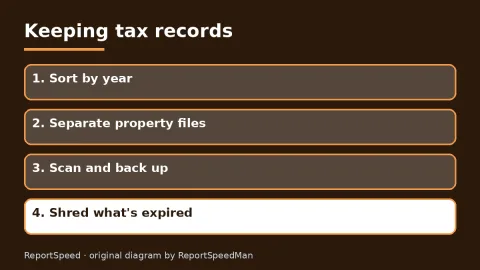
How long should I keep tax records? The IRS 3-, 6- and 7-year rules
Three years covers most returns; six, seven or forever apply in specific cases.
Rate itSolved
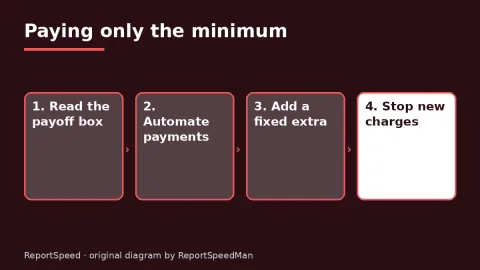
What happens if I only pay the minimum on my credit card?
Minimum payments keep you current but stretch the debt for years.
Rate itSolved
Real experiences
No experiences yet. Be the first to share.