


My bank keeps sending messages asking me to 'opt in to overdraft coverage so your card is never declined.' It sounds helpful, but a friend paid several overdraft fees in one day. What does opting in actually mean, and should I do it?
Should I opt in to overdraft coverage on my debit card?
Concerns & risks
Your bank is pushing overdraft coverage and you're not sure whether it protects you or costs you.
| You… | Often fits |
|---|---|
| Prefer a decline to a fee | Stay opted out |
| Have savings at the same bank | Ask about linking it |
| Track balance closely | Alerts plus buffer |
| Overdraw often | Review recurring payments first |
Causes & evidence
Under the CFPB's rules, banks can't charge overdraft fees on ATM withdrawals and one-time debit card purchases unless you opt in. If you don't opt in, those transactions are usually declined when you don't have enough money, with no overdraft fee. Opting in means the bank may approve the transaction and charge you an overdraft fee. The opt-in rule doesn't cover checks or recurring automatic payments, such as bills set up on your debit card or bank account, so the bank may still pay or return those and charge a fee under its own policy. You can change your choice at any time, and many banks offer to link a savings account to cover shortfalls.
Banks set their own overdraft and non-sufficient funds fees, and some have reduced or eliminated them. Check your bank's current fee schedule rather than relying on old information.
Opting in to avoid an embarrassing declined card can turn a small coffee purchase into a much bigger cost.
What to do
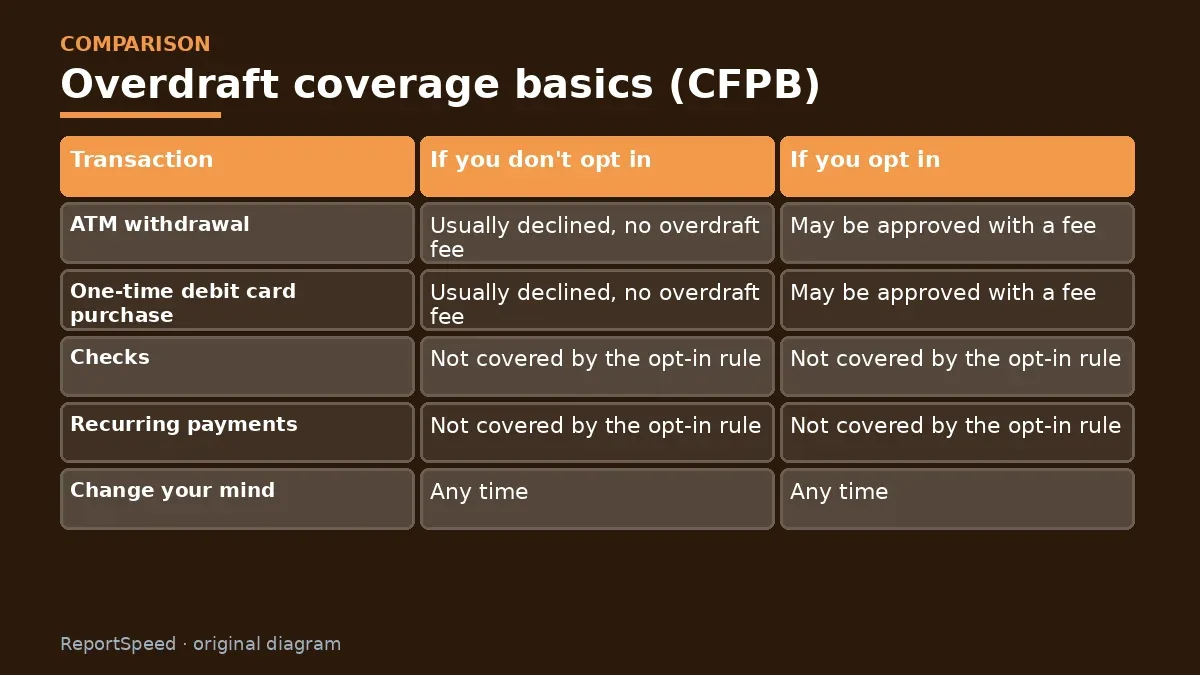
| Transaction | If you don't opt in | If you opt in |
|---|---|---|
| ATM withdrawal | Usually declined, no overdraft fee | May be approved with a fee |
| One-time debit card purchase | Usually declined, no overdraft fee | May be approved with a fee |
| Checks | Not covered by the opt-in rule | Not covered by the opt-in rule |
| Recurring payments | Not covered by the opt-in rule | Not covered by the opt-in rule |
| Change your mind | Any time | Any time |
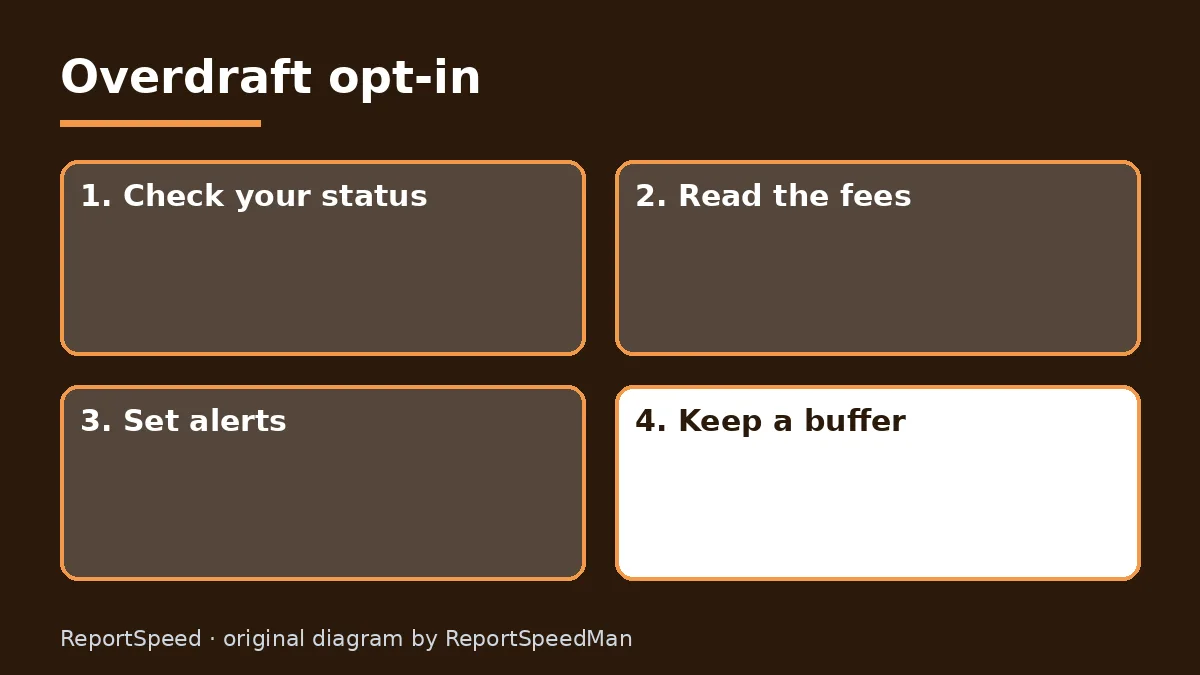
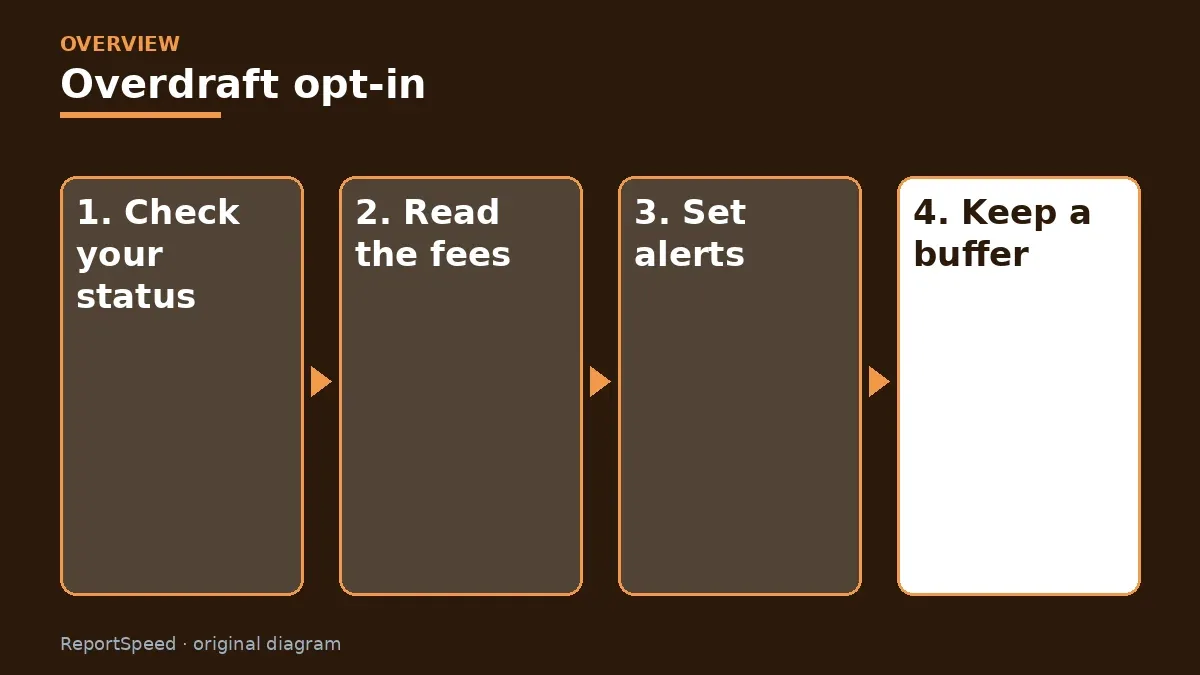
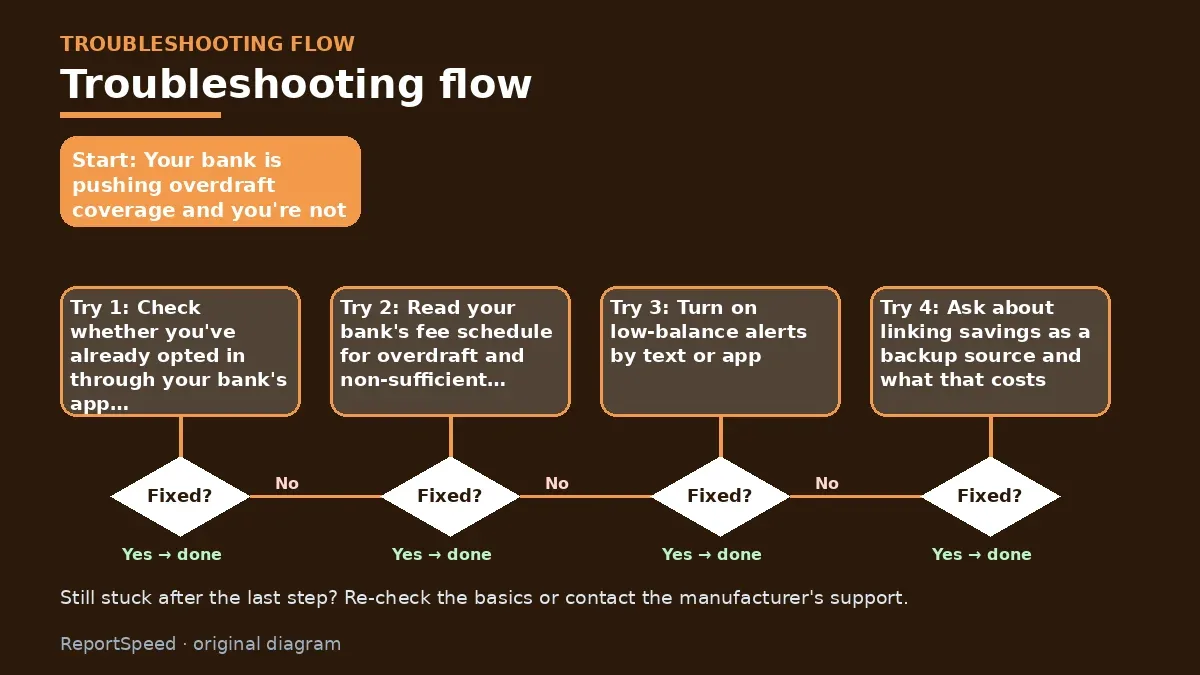
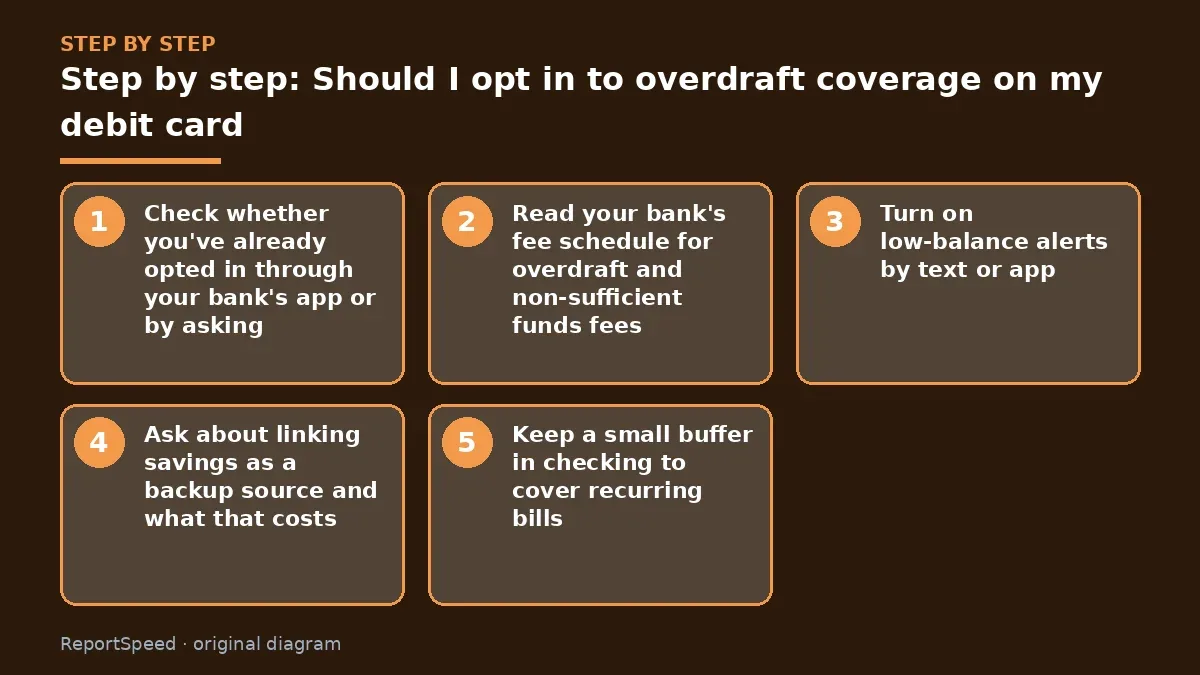
- Check whether you've already opted in through your bank's app or by asking.
- Read your bank's fee schedule for overdraft and non-sufficient funds fees.
- Turn on low-balance alerts by text or app.
- Ask about linking savings as a backup source and what that costs.
- Keep a small buffer in checking to cover recurring bills.
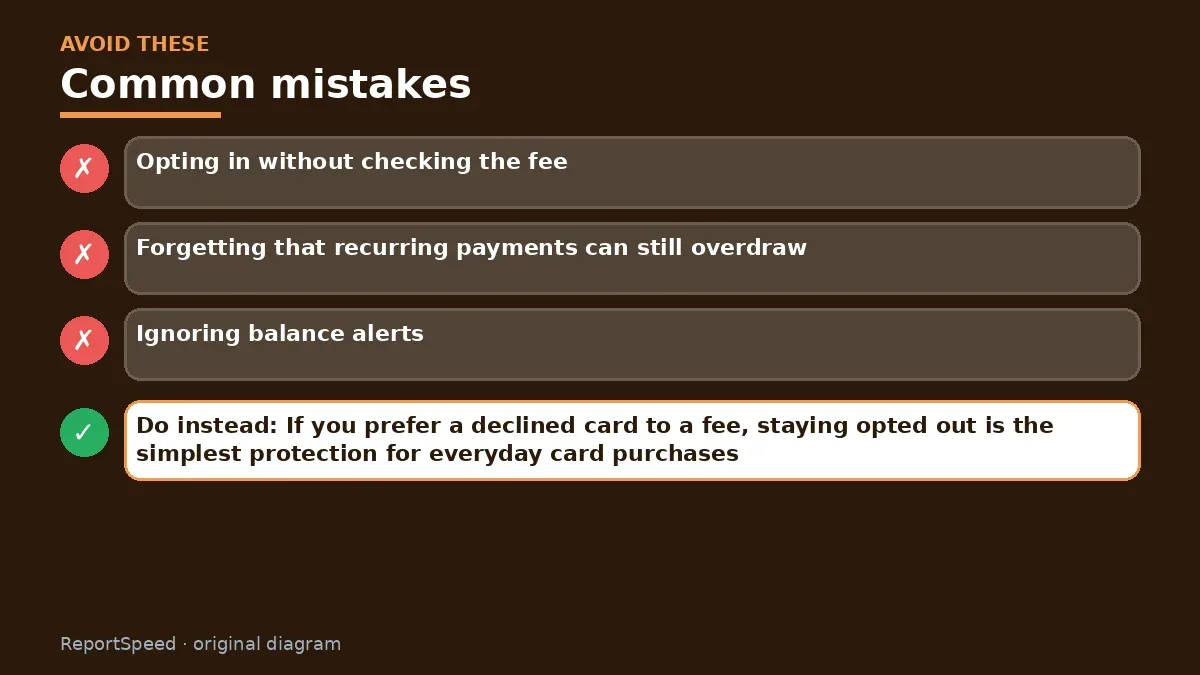
Common mistakes:
- Opting in without checking the fee
- Forgetting that recurring payments can still overdraw
- Ignoring balance alerts
ReportSpeedMan tip: If you prefer a declined card to a fee, staying opted out is the simplest protection for everyday card purchases.
What I would actually do
I'd stay opted out, turn on a low-balance alert and keep a small cushion in checking that covers my largest automatic bill.
The trade-off people miss: opting out stops fees on card swipes, but a recurring bill or check can still overdraw your account and trigger a fee, so timing your autopays matters as much as the opt-in choice.
Did it work? How to check
Your bank confirms your overdraft choice and you get alerts before your balance runs low.
Quick FAQ
Can I opt out later?
Yes, at any time.
Does opting out stop all fees?
Not for checks and recurring payments.
Is linking savings free?
There may be a transfer fee, usually lower.
Wrap-up: For most people, staying opted out of debit and ATM overdraft coverage, plus balance alerts and a small buffer, avoids surprise fees.
Wiki: Emergency Fund and Credit Scores and Credit Reports.
Should I opt in to overdraft coverage on my debit card: primary sources
Step-by-step photos
1. Before The problem 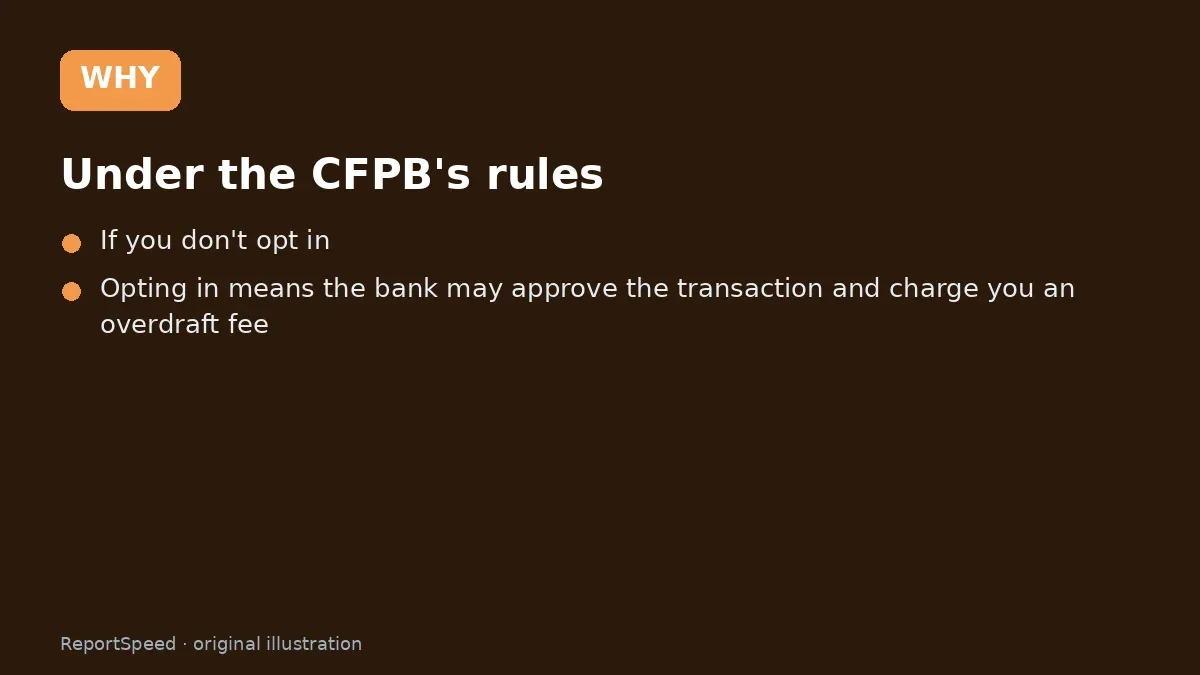
2. Why it happens The cause 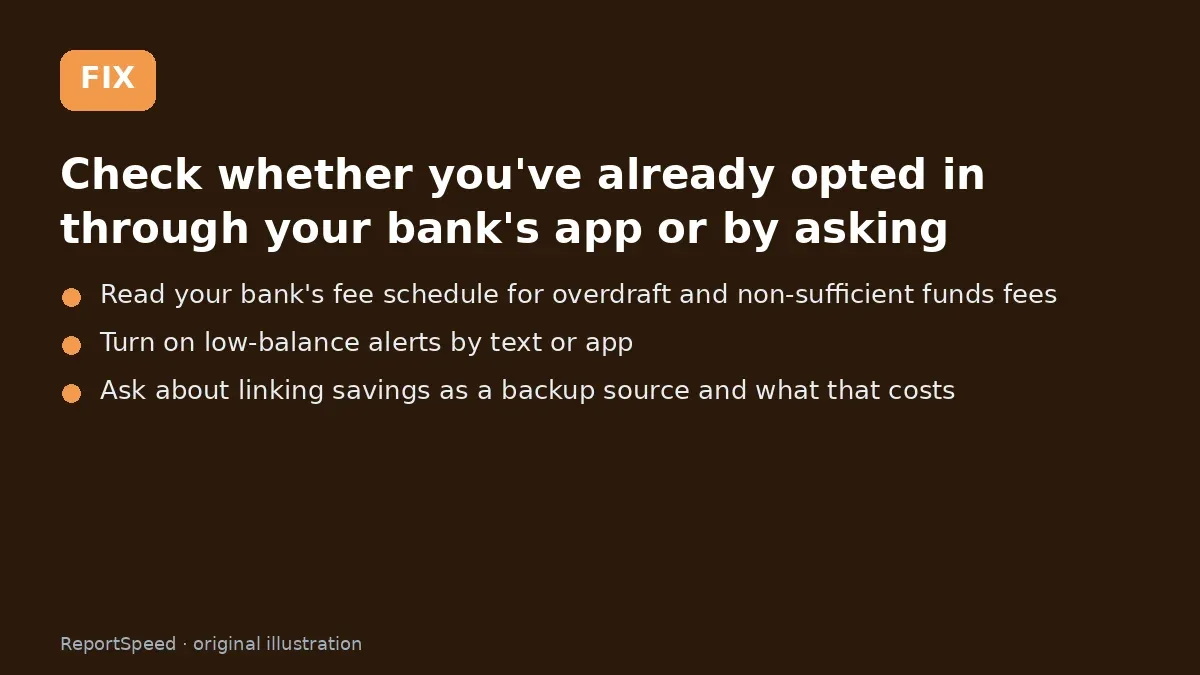
3. The fix The fix 
4. After The result
⚡ Speed Summary
- For most people, staying opted out of debit and ATM overdraft coverage, plus balance alerts and a small buffer, avoids surprise fees.
- If you prefer a declined card to a fee, staying opted out is the simplest protection for everyday card purchases.
- Opting in to avoid an embarrassing declined card can turn a small coffee purchase into a much bigger cost.

Was this answer helpful?
Tap a star to rate this answer.
Related questions
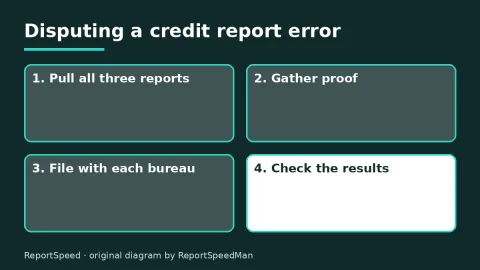
Found an error on my credit report? How to dispute it step by step
Dispute with each bureau and the furnisher, include proof, and expect results in about 30 days.
Rate itSolved
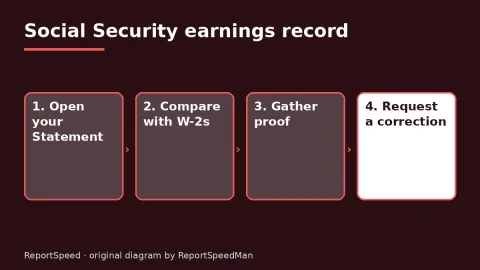
How do I check my Social Security earnings record and fix a mistake?
Check your Statement every year, match it to your W-2s, and correct gaps with proof before the usual window closes.
Rate itSolved
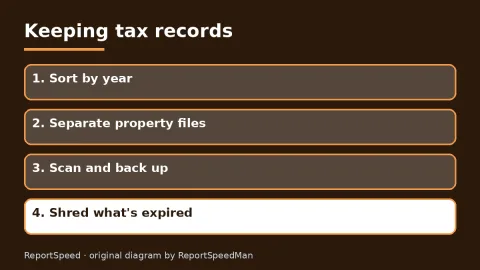
How long should I keep tax records? The IRS 3-, 6- and 7-year rules
Three years covers most returns; six, seven or forever apply in specific cases.
Rate itSolved
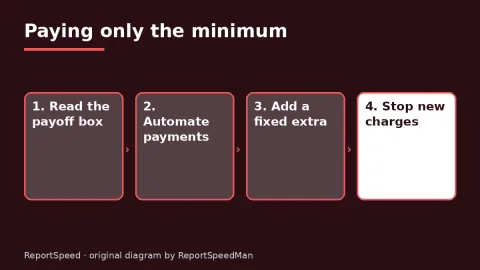
What happens if I only pay the minimum on my credit card?
Minimum payments keep you current but stretch the debt for years.
Rate itSolved
Real experiences
No experiences yet. Be the first to share.