


At a pharmacy kiosk my blood pressure read 134 over 86. I'm 38 and feel fine, so I'm not sure whether to worry. What do the two numbers actually mean, what counts as high, and what should I do next?
What do my blood pressure numbers mean?

Concerns & risks
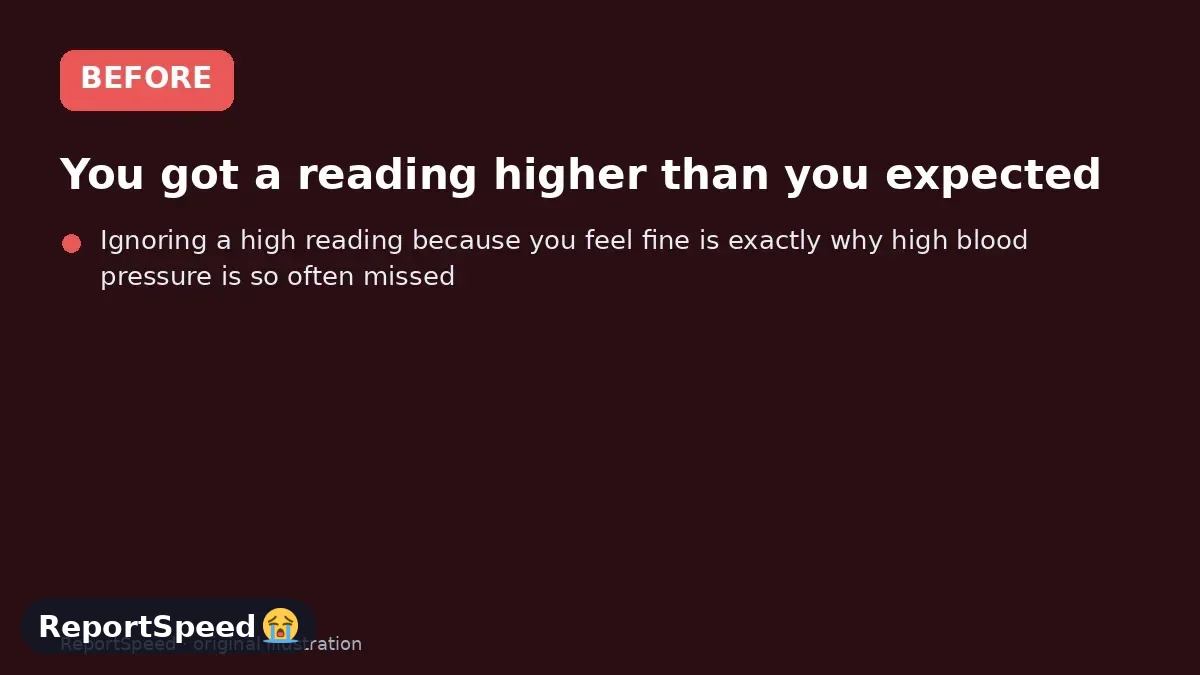
You got a reading higher than you expected, you have no symptoms, and you're not sure whether it's a one-off or something to act on.
| Do | Avoid |
|---|---|
| Sit quietly 5 minutes first | Measuring right after exercise |
| Arm supported at heart level | Arm hanging or elevated |
| Correct cuff size | Too-small cuff |
| Same times daily | Random one-off checks |
Causes & evidence
The top number, systolic pressure, measures the force in your arteries when your heart beats; the bottom number, diastolic, measures it between beats. NIH's National Heart, Lung, and Blood Institute explains that high blood pressure usually has no symptoms, which is why it's called a silent condition, and that it raises the risk of heart disease and stroke over time. Under current U.S. clinical categories, normal is below 120/80, elevated is 120–129 systolic with diastolic below 80, and stage 1 high blood pressure starts at 130–139 systolic or 80–89 diastolic. One reading isn't a diagnosis; readings vary with stress, caffeine and cuff fit.
Blood pressure naturally varies through the day and with activity, stress and caffeine. Patterns over days and weeks give a better picture than a single reading.

Ignoring a high reading because you feel fine is exactly why high blood pressure is so often missed.
What to do
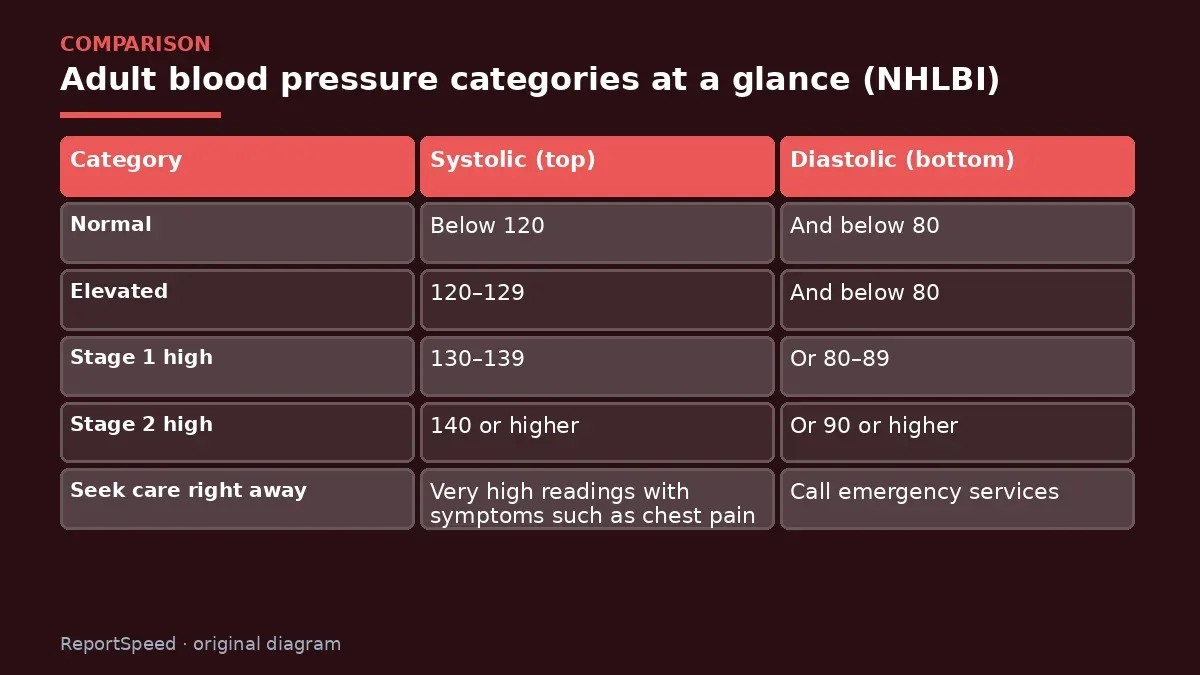
| Category | Systolic (top) | Diastolic (bottom) |
|---|---|---|
| Normal | Below 120 | and below 80 |
| Elevated | 120–129 | and below 80 |
| Stage 1 high | 130–139 | or 80–89 |
| Stage 2 high | 140 or higher | or 90 or higher |
| Seek care right away | Very high readings with symptoms such as chest pain | Call emergency services |
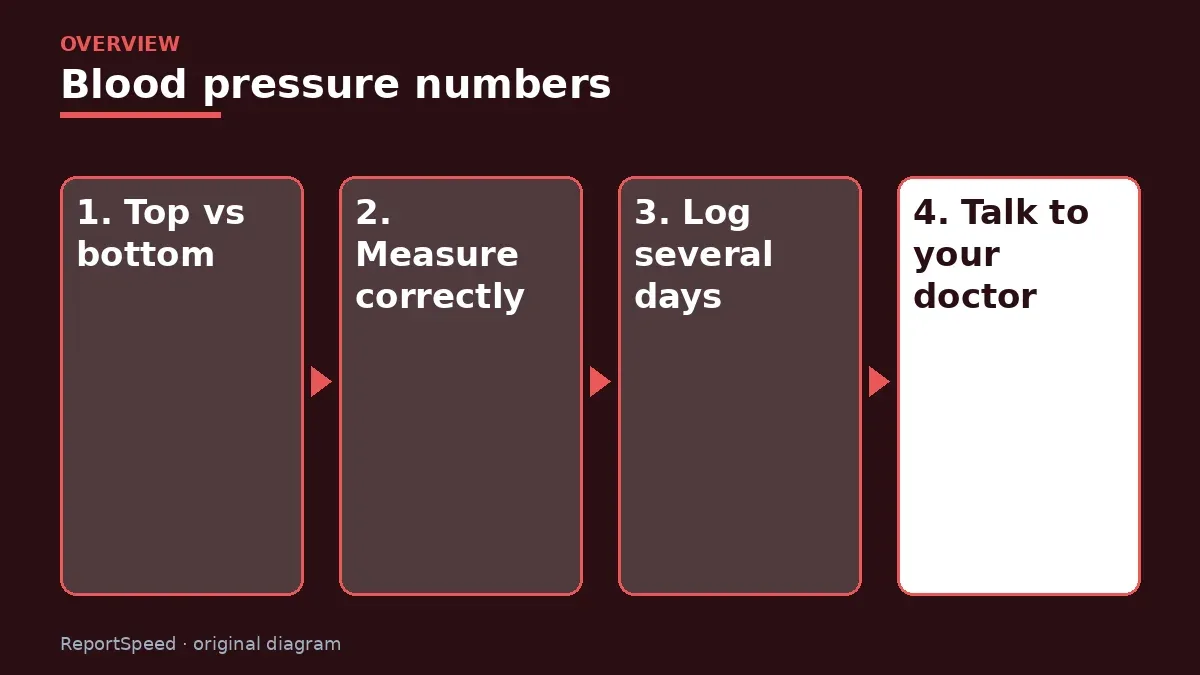
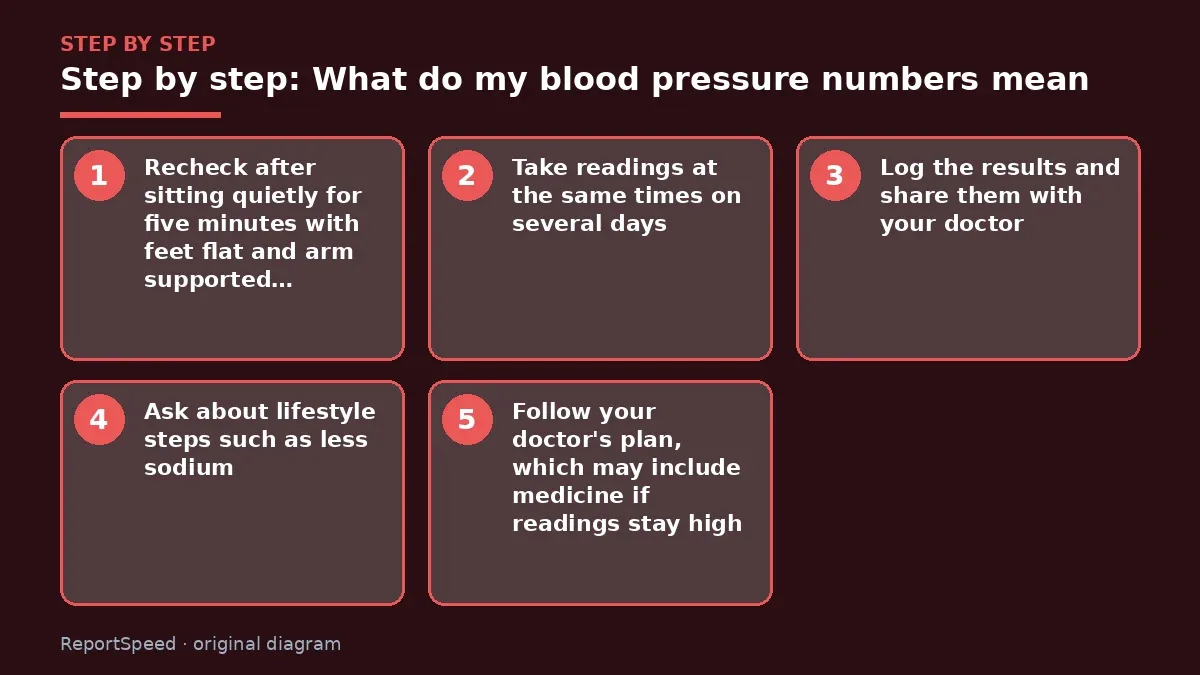
- Recheck after sitting quietly for five minutes with feet flat and arm supported at heart level.
- Take readings at the same times on several days, ideally with a validated home monitor.
- Log the results and share them with your doctor.
- Ask about lifestyle steps such as less sodium, regular activity and limiting alcohol.
- Follow your doctor's plan, which may include medicine if readings stay high.
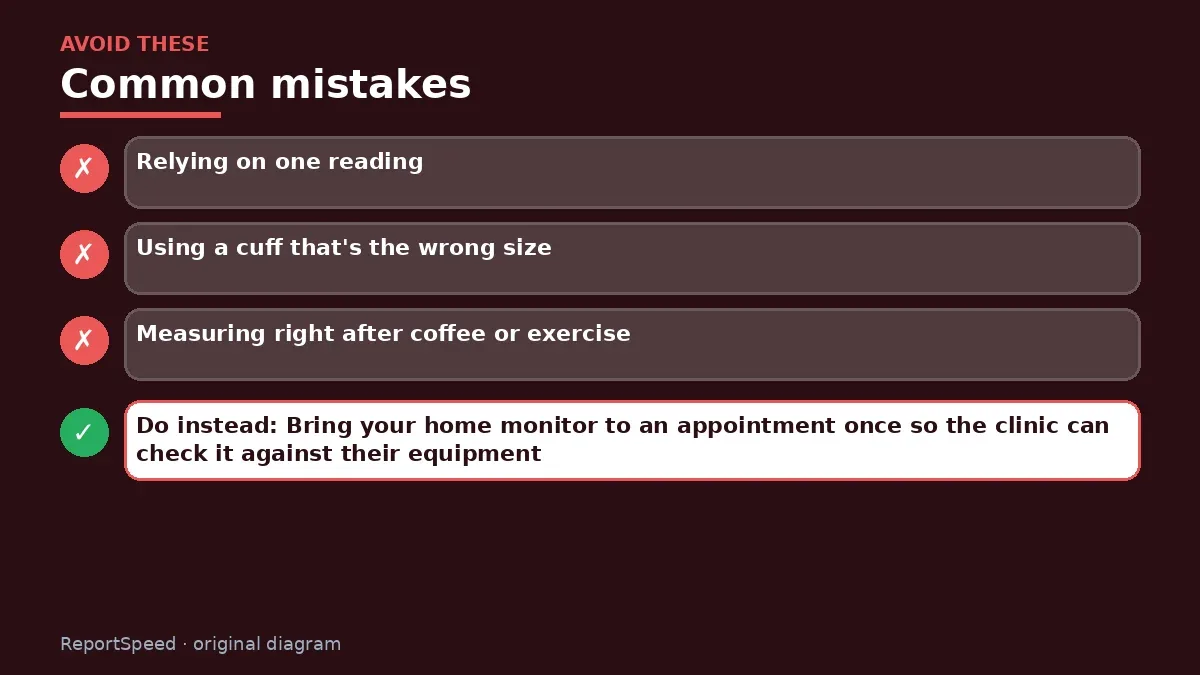
Common mistakes:
- Relying on one reading
- Using a cuff that's the wrong size
- Measuring right after coffee or exercise
ReportSpeedMan tip: Bring your home monitor to an appointment once so the clinic can check it against their equipment.
What I would actually do
buy a validated upper-arm monitor, measure twice each morning and evening for a week and book an appointment with the log.
The trade-off people miss: pharmacy kiosks can be off if the cuff doesn't fit your arm, so one surprising number deserves rechecking, not panic or dismissal.
How to tell it worked
You have a week of properly measured readings and a plan from your doctor.
Quick FAQ
Is one high reading a diagnosis?
No; diagnosis is based on repeated readings.
Can lifestyle changes help?
Yes; sodium, activity and alcohol all matter.
When is it an emergency?
Very high readings with symptoms like chest pain need emergency care.
Wrap-up: One high number is a reason to measure properly, not panic. Track readings, share them with your doctor and act on the pattern.
Wiki: Headache Types.
What do my blood pressure numbers mean: official sources I checked
Step-by-step photos
1. Before The problem 
2. Why it happens The cause 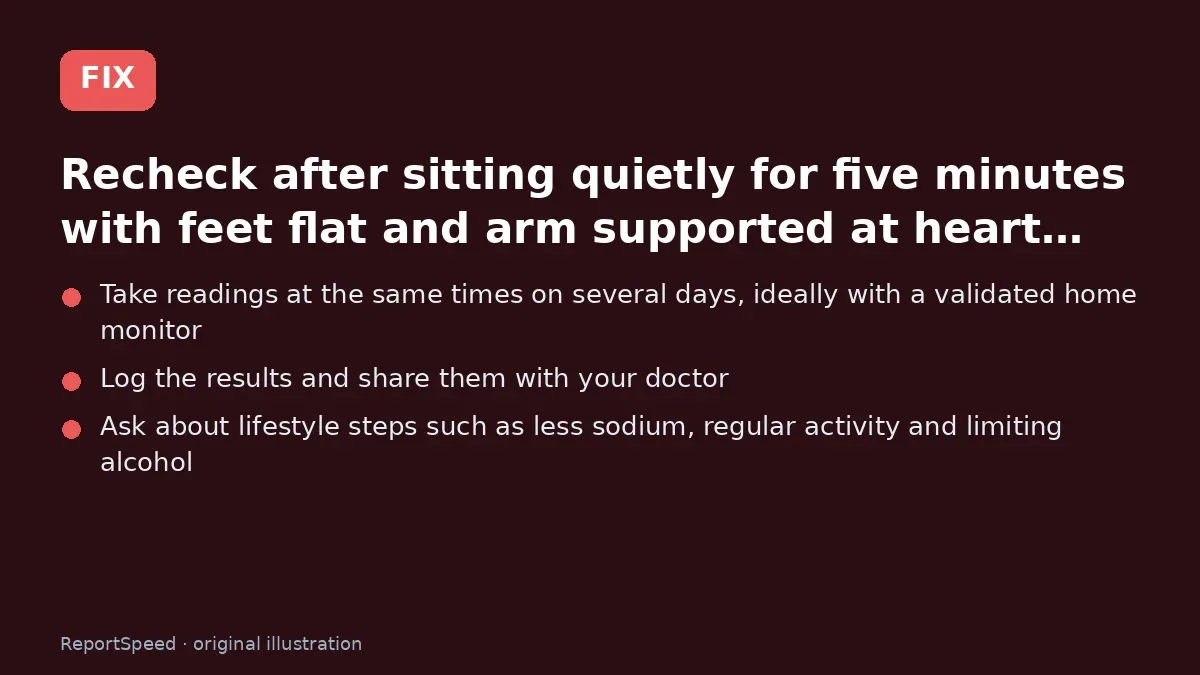
3. The fix The fix 
4. After The result
⚡ Speed Summary
- One high number is a reason to measure properly, not panic.
- Bring your home monitor to an appointment once so the clinic can check it against their equipment.
- Ignoring a high reading because you feel fine is exactly why high blood pressure is so often missed.

Was this answer helpful?
Tap a star to rate this answer.
Related questions
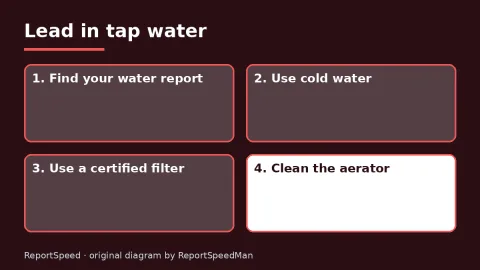
Is there lead in my tap water? How to check and lower your risk
Lead comes from plumbing, can't be seen, and isn't removed by boiling.
Rate itSolved
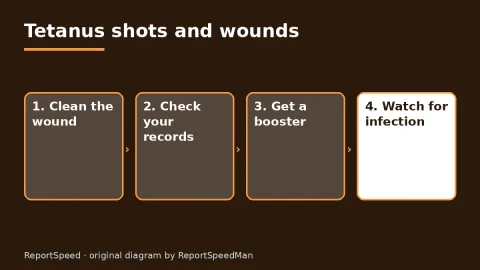
When do I need a tetanus shot? Booster timing and wounds
Boosters are every 10 years, or 5 years for dirty or puncture wounds.
Rate itSolved
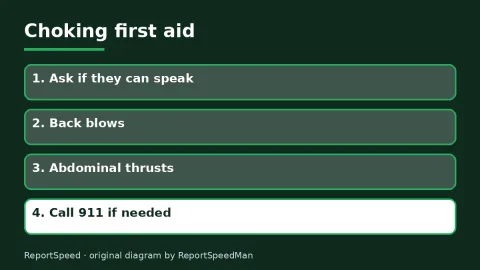
How to help someone who is choking: back blows and abdominal thrusts
Let a strong cough work.
Rate itSolved
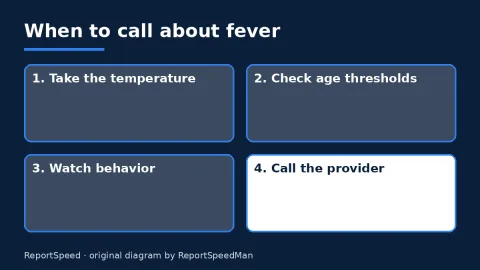
Fever: when to call the doctor for a child or adult
At 8 months, 102.2°F is the call-now line; your baby's 101.5°F means watch closely and call if it rises or warning signs appear.
Rate itSolved
Real experiences
No experiences yet. Be the first to share.