


I only remember sunscreen on beach days, and I usually grab whatever bottle is cheapest. My sister says I need SPF 50 every day, my friend says SPF 15 is plenty. Does the SPF number matter much, what does 'broad spectrum' mean, and how often do I really need to reapply?
What SPF sunscreen should I use, and how often should I reapply?
Concerns & risks
You use sunscreen inconsistently, you're unsure which SPF to buy, and you don't know how often to reapply when you're outdoors.
| Moment | Reapply? |
|---|---|
| Two hours outdoors | Yes |
| After swimming | Yes, per water resistance time |
| After towel drying | Yes |
| Cloudy day outside | Still yes; UV passes through clouds |

Causes & evidence
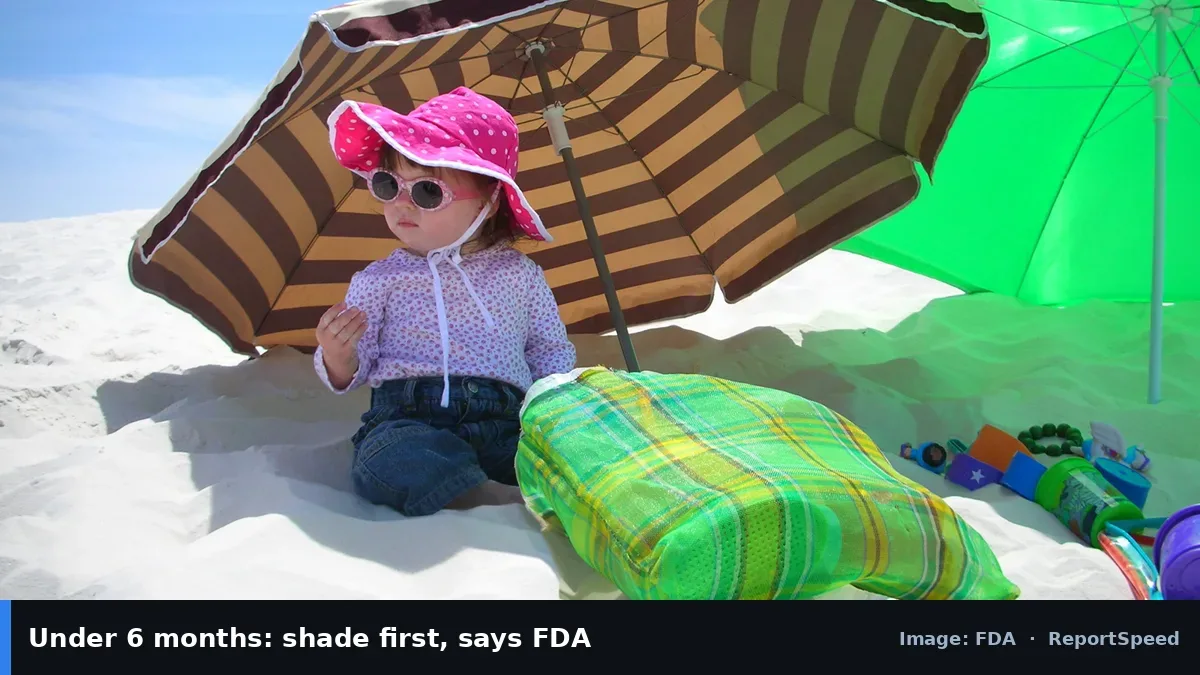
SPF measures protection against UVB rays, the main cause of sunburn. 'Broad spectrum' means the product passed FDA testing for protection against UVA rays too, which contribute to skin ageing and skin cancer. The FDA says sunscreens with a broad spectrum label and SPF 15 or higher help reduce the risk of skin cancer and early skin ageing when used as directed with other sun protection. The FDA advises reapplying at least every two hours, and more often after swimming or sweating, following the label's water resistance time of 40 or 80 minutes. For infants under 6 months, the FDA recommends keeping them out of the sun rather than using sunscreen.
UV exposure is strongest around midday, and reflective surfaces like water, sand and snow can increase it. The FDA tests sunscreen claims such as broad spectrum and water resistance.

Applying once in the morning and assuming you're covered all day is how most sunburns happen.
What to do
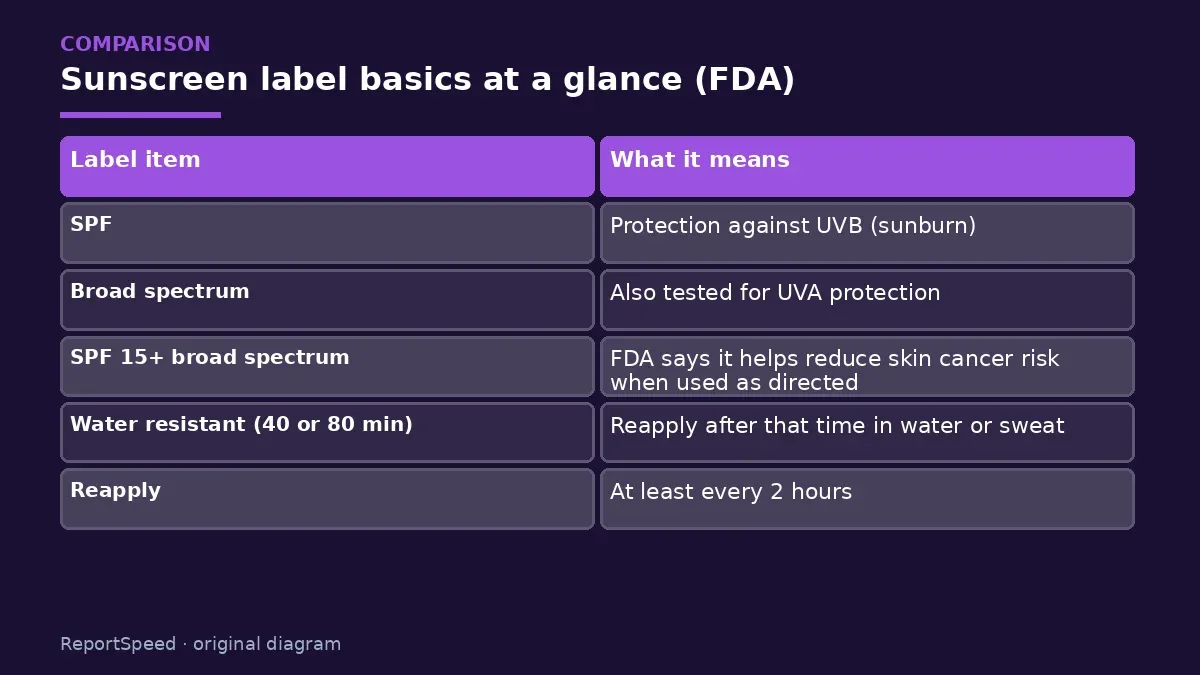
| Label item | What it means |
|---|---|
| SPF | Protection against UVB (sunburn) |
| Broad spectrum | Also tested for UVA protection |
| SPF 15+ broad spectrum | FDA says it helps reduce skin cancer risk when used as directed |
| Water resistant (40 or 80 min) | Reapply after that time in water or sweat |
| Reapply | At least every 2 hours |
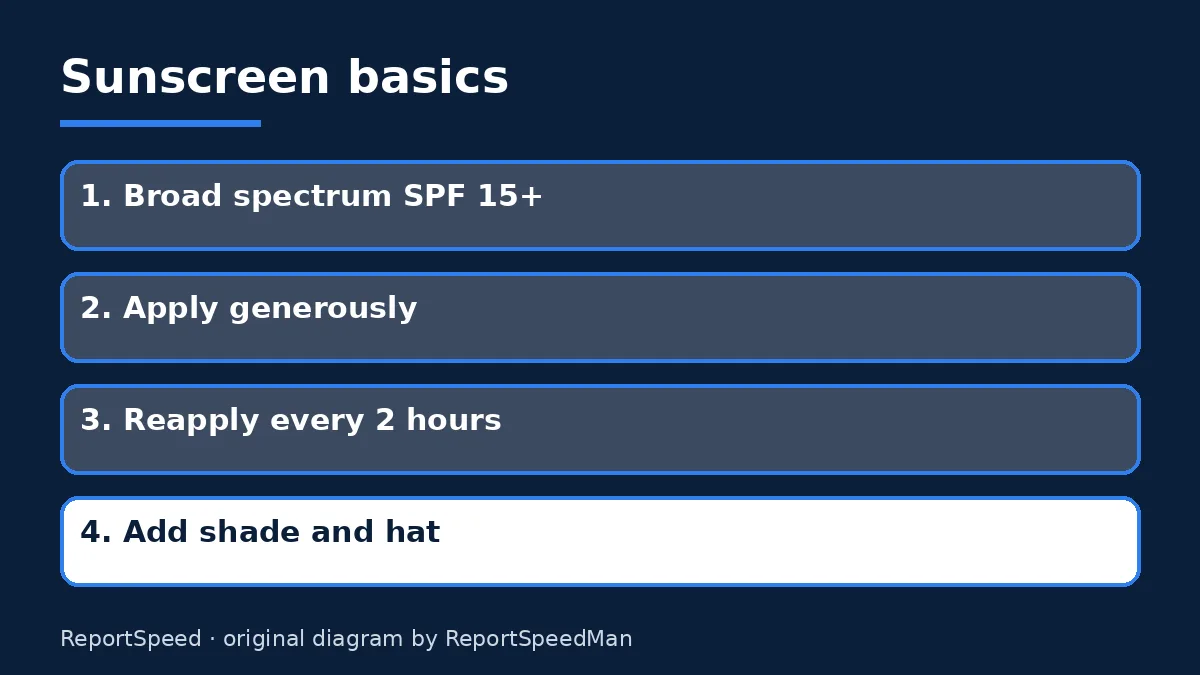
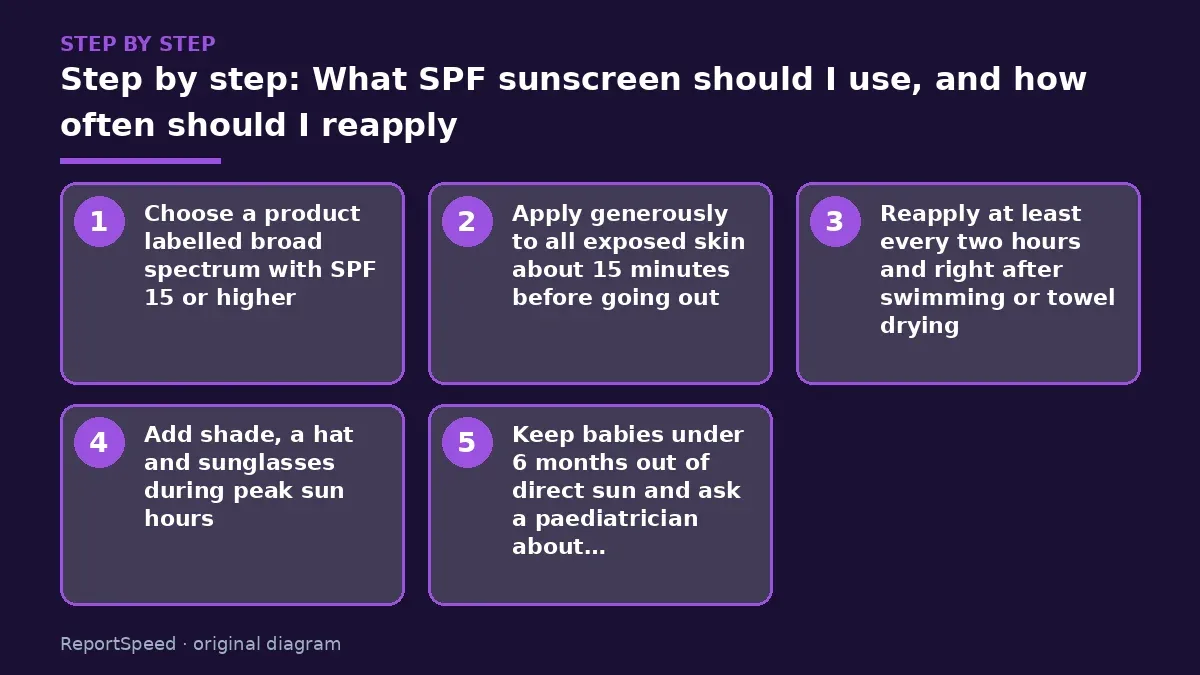
- Choose a product labelled broad spectrum with SPF 15 or higher; many people prefer 30+.
- Apply generously to all exposed skin about 15 minutes before going out.
- Reapply at least every two hours and right after swimming or towel drying.
- Add shade, a hat and sunglasses during peak sun hours.
- Keep babies under 6 months out of direct sun and ask a paediatrician about sunscreen.
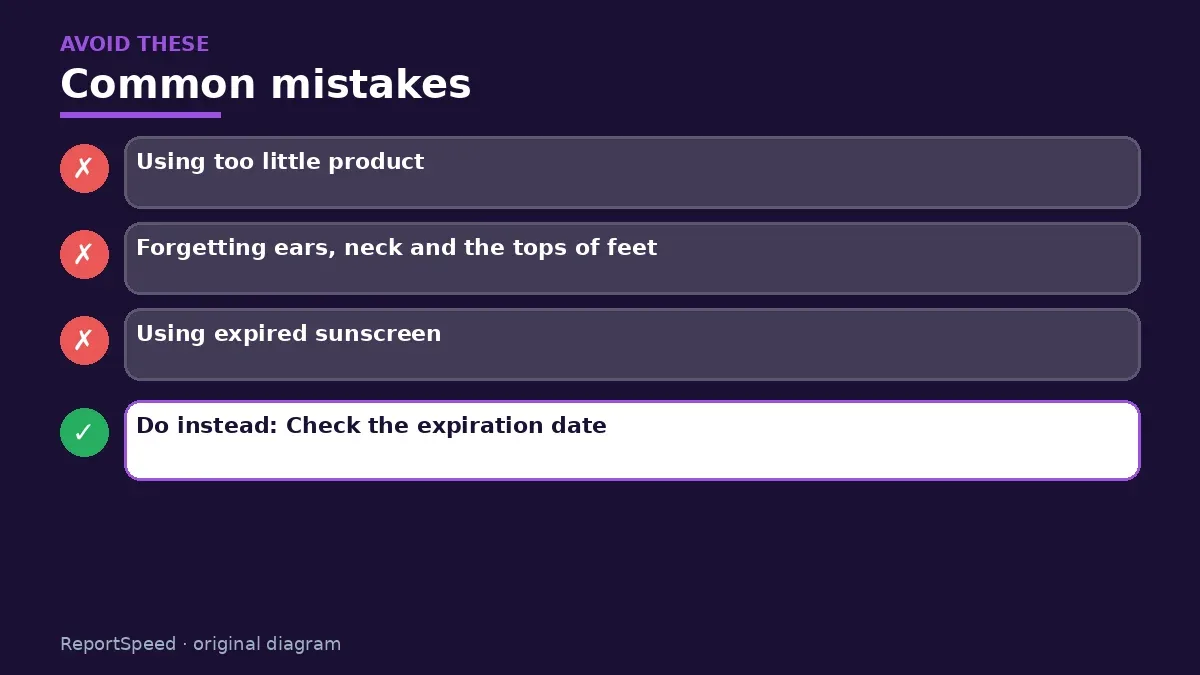
Common mistakes:
- Using too little product
- Forgetting ears, neck and the tops of feet
- Using expired sunscreen
ReportSpeedMan tip: Check the expiration date; the FDA requires one unless stability testing shows the product lasts three years, and old sunscreen may not work as labelled.
What I would actually do
a broad spectrum SPF 30 I like enough to wear daily, a phone reminder every two hours outdoors, and a hat in the car.
The trade-off people miss: a higher SPF used thinly can protect less than a lower SPF used generously.
How to know it worked
You finish a day outdoors without sunburn and reapplying has become automatic.
Quick FAQ
Is SPF 100 twice as good as 50?
No; protection rises only slightly at higher SPFs.
Do I need sunscreen on cloudy days?
Yes, UV passes through clouds.
Is sunscreen safe for babies?
FDA advises keeping infants under 6 months out of the sun.
Wrap-up: Use broad spectrum SPF 15 or higher, apply generously and reapply every two hours. Pair it with shade and a hat for the best protection.
Wiki: Dehydration.
What SPF sunscreen should I use, and how often should I reapply: read the originals
Step-by-step photos
1. Before The problem 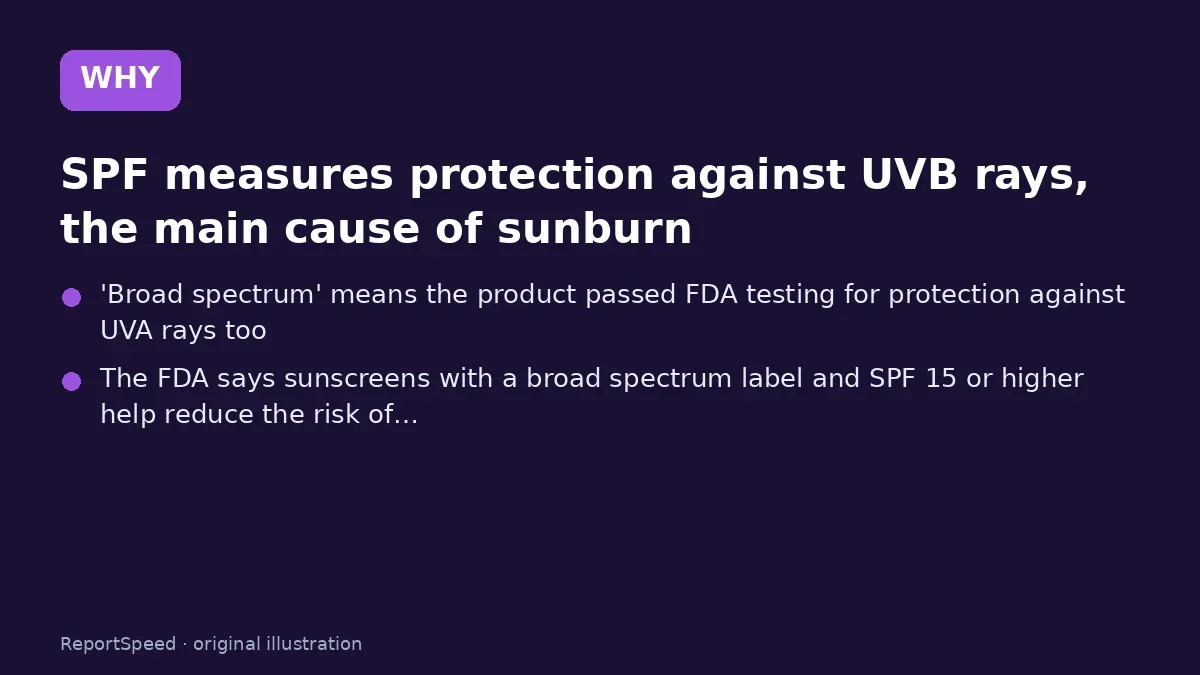
2. Why it happens The cause 
3. The fix The fix 
4. After The result
⚡ Speed Summary
- Use broad spectrum SPF 15 or higher, apply generously and reapply every two hours.
- Check the expiration date; the FDA requires one unless stability testing shows the product lasts three years, and old sunscreen may not work as labelled.
- Applying once in the morning and assuming you're covered all day is how most sunburns happen.

Was this answer helpful?
Tap a star to rate this answer.
Related questions
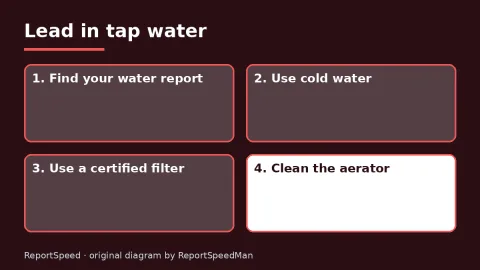
Is there lead in my tap water? How to check and lower your risk
Lead comes from plumbing, can't be seen, and isn't removed by boiling.
Rate itSolved
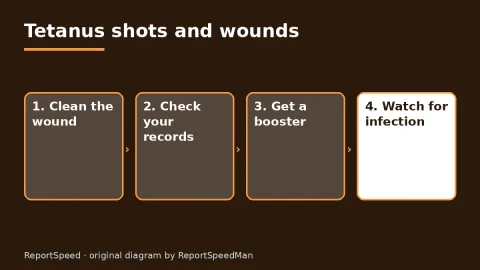
When do I need a tetanus shot? Booster timing and wounds
Boosters are every 10 years, or 5 years for dirty or puncture wounds.
Rate itSolved
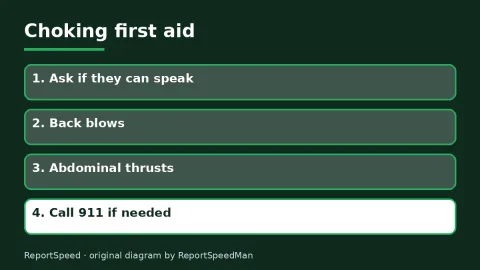
How to help someone who is choking: back blows and abdominal thrusts
Let a strong cough work.
Rate itSolved
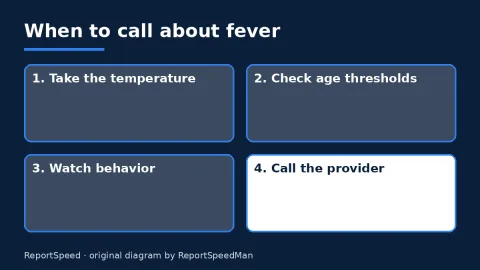
Fever: when to call the doctor for a child or adult
At 8 months, 102.2°F is the call-now line; your baby's 101.5°F means watch closely and call if it rises or warning signs appear.
Rate itSolved
Real experiences
No experiences yet. Be the first to share.