


My daughter is about to turn two and someone at daycare said she should already be facing forward. My mom says keep her rear-facing longer. The car seat box has height and weight numbers I barely understand. What's the actual guidance for each stage, and when should we switch?
Which car seat does my child need at each age?
Concerns & risks
Your child is growing, people around you give different advice, and you're unsure whether it's time to turn the seat around or move to a booster.
| Label item | Use it for |
|---|---|
| Rear-facing height and weight max | When to turn around |
| Harness height and weight max | When to move to a booster |
| Booster belt-fit range | When to move to a belt |
| Expiration date | When to replace the seat |
Causes & evidence
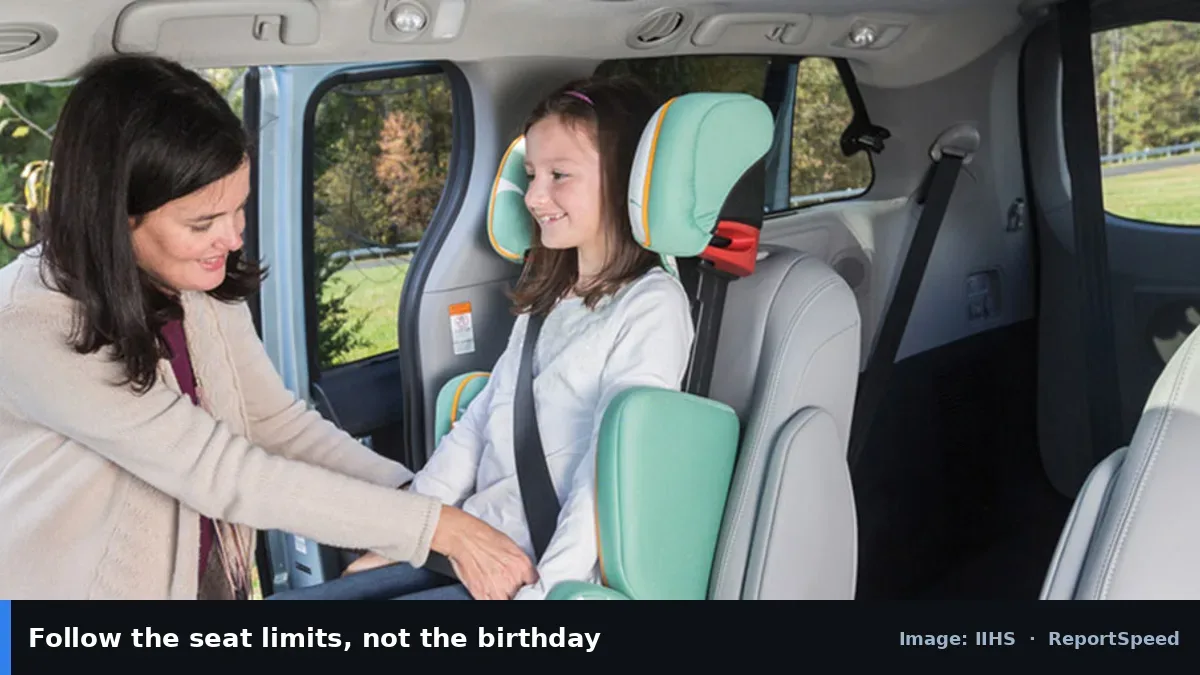
NHTSA's guidance is to keep children in each stage as long as possible, until they reach the maximum height or weight allowed by their seat's manufacturer. That means rear-facing until they outgrow the rear-facing limits, then forward-facing with a harness, then a booster seat until the vehicle seat belt fits properly, and NHTSA advises keeping children under 13 in the back seat. Each move to the next stage is a slight step down in protection, which is why the advice is to delay transitions rather than rush them. Seat labels and manuals list the exact limits.
Car seats have expiration dates and should be replaced after a moderate or severe crash, according to manufacturer guidance. Registration ensures you hear about recalls.
Switching stages because of a birthday rather than the seat's height and weight limits is the most common mistake.
What to do
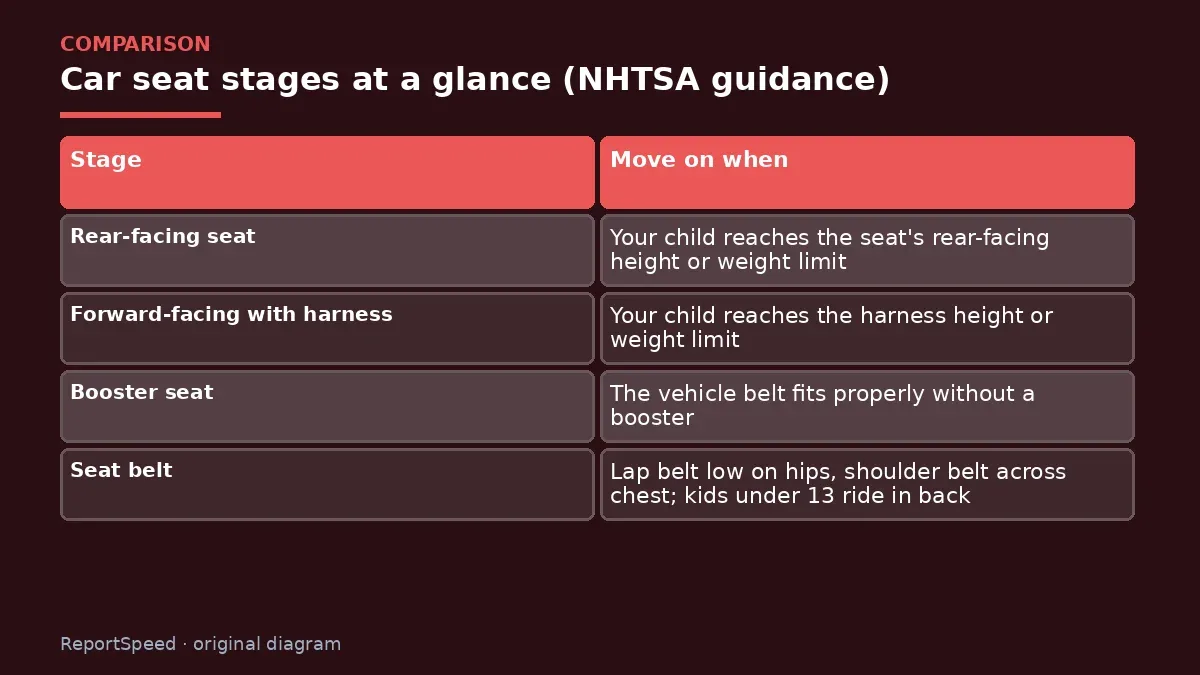
| Stage | Move on when |
|---|---|
| Rear-facing seat | Your child reaches the seat's rear-facing height or weight limit |
| Forward-facing with harness | Your child reaches the harness height or weight limit |
| Booster seat | The vehicle belt fits properly without a booster |
| Seat belt | Lap belt low on hips, shoulder belt across chest; kids under 13 ride in back |
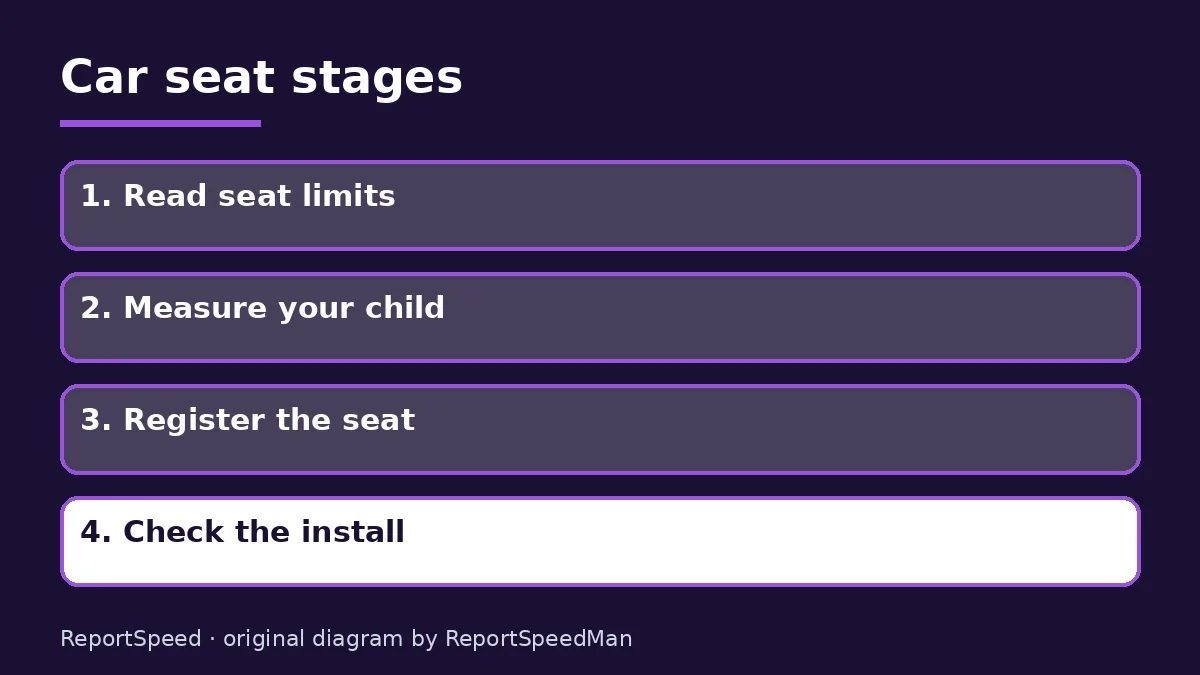
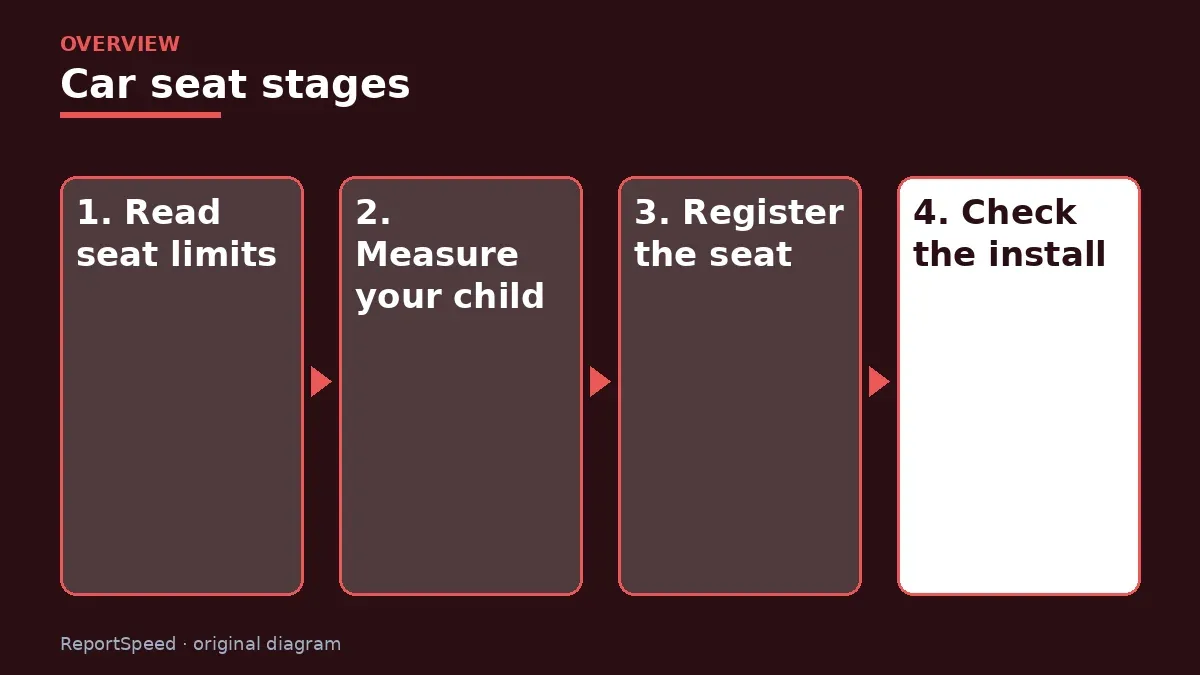
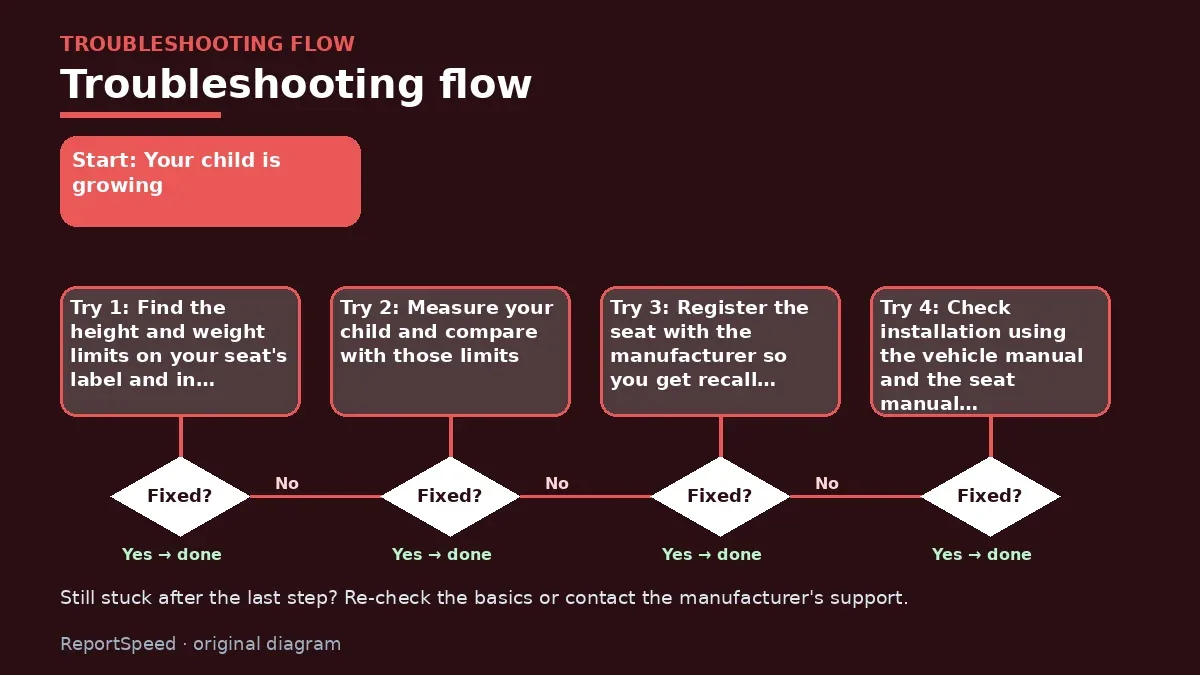
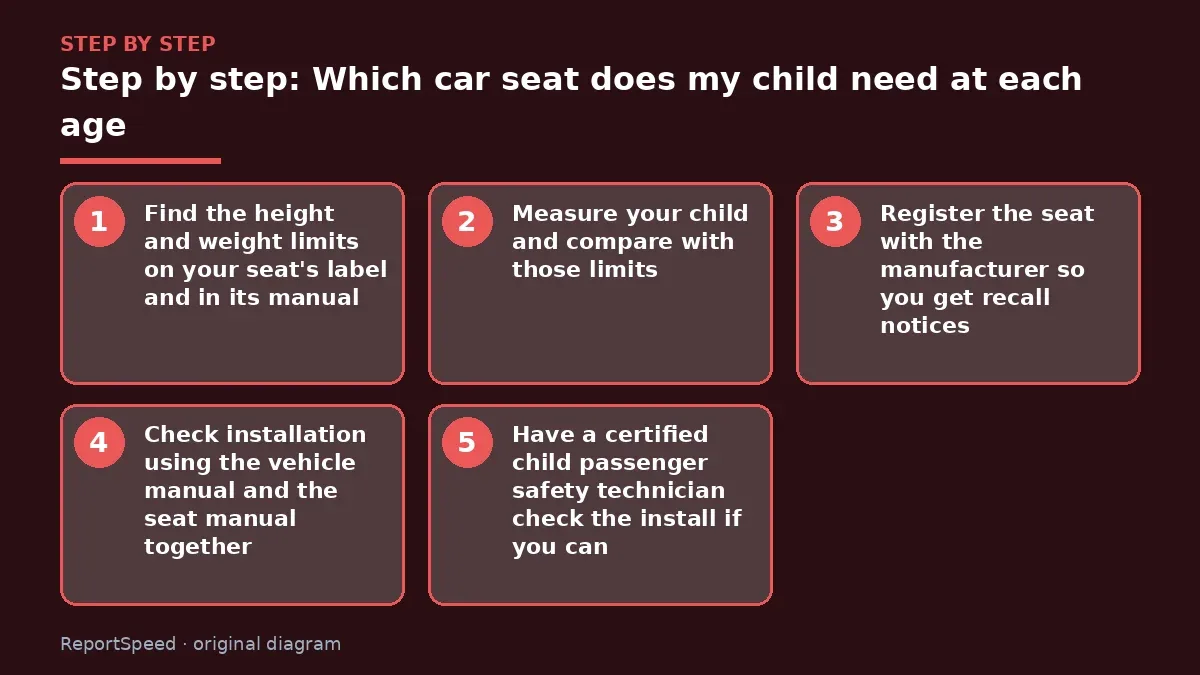
- Find the height and weight limits on your seat's label and in its manual.
- Measure your child and compare with those limits.
- Register the seat with the manufacturer so you get recall notices.
- Check installation using the vehicle manual and the seat manual together.
- Have a certified child passenger safety technician check the install if you can.

Common mistakes:
- Turning the seat forward at a set age
- Leaving the harness loose
- Moving to a seat belt before it fits correctly
ReportSpeedMan tip: If your child's legs touch the vehicle seat while rear-facing, that alone isn't a reason to turn them; follow the seat's height and weight limits.
What I would actually do
read both the seat label and the manual, keep my child rear-facing until the seat's limit, then book a free install check with a certified technician.
The trade-off people miss: a perfectly chosen seat installed loosely protects less than a basic seat installed tightly.
How to tell it worked
Your child's seat matches their stage by the label limits and a technician confirms the install.
Quick FAQ
Can I use a second-hand seat?
Only if you know its full history, it isn't expired and hasn't been in a crash.
Where should the seat go?
The back seat; follow vehicle and seat manuals.
Who can check my install?
A certified child passenger safety technician.
Wrap-up: Stay in each stage until the seat's limits are reached, install it carefully and register it. That's the guidance in a sentence.
Wiki: Vehicle Recalls.
Which car seat does my child need at each age: official pages behind this answer
Step-by-step photos
1. Before The problem 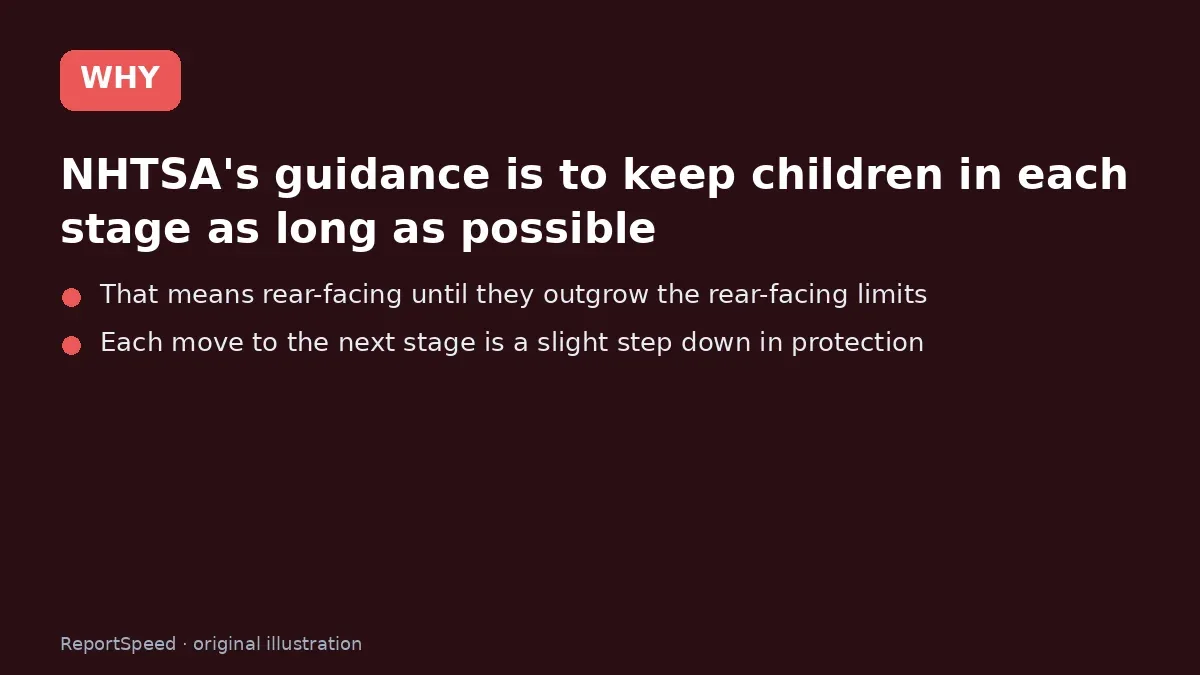
2. Why it happens The cause 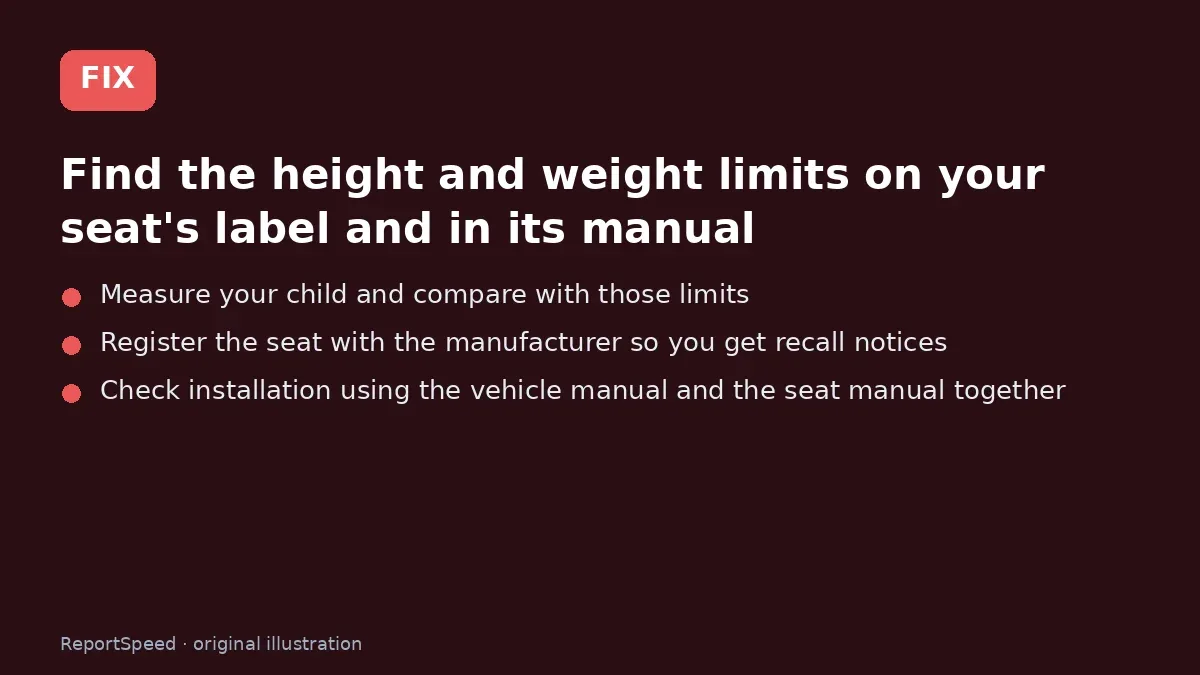
3. The fix The fix 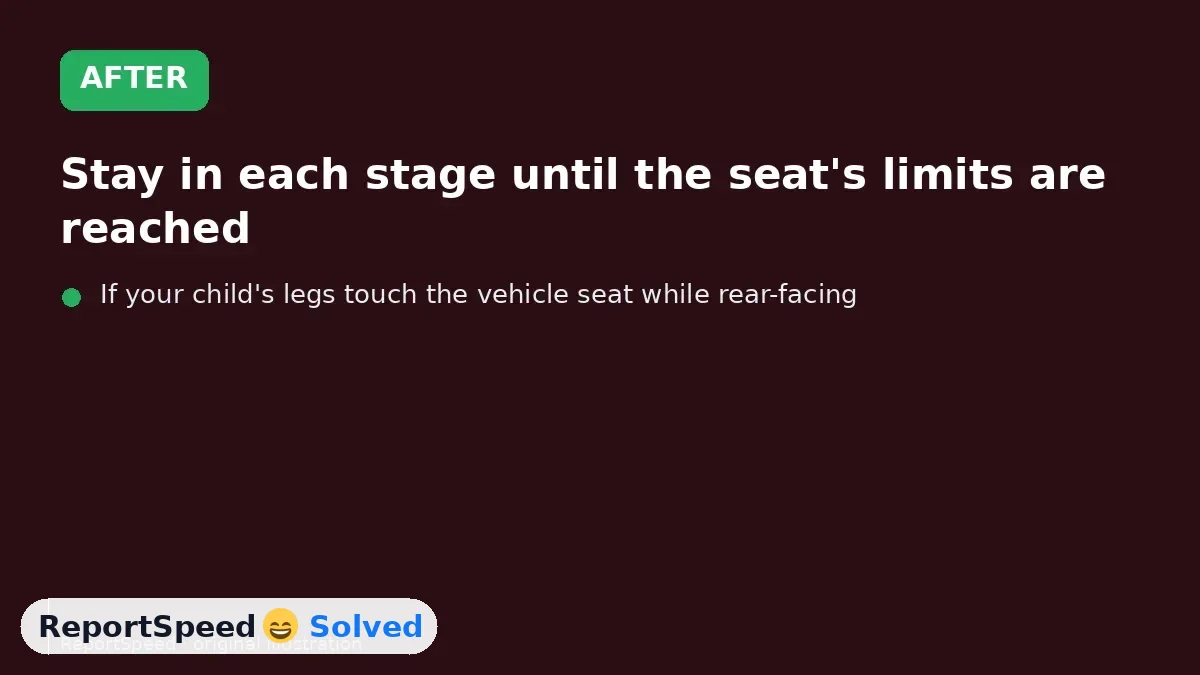
4. After The result
⚡ Speed Summary
- Stay in each stage until the seat's limits are reached, install it carefully and register it.
- If your child's legs touch the vehicle seat while rear-facing, that alone isn't a reason to turn them; follow the seat's height and weight limits.
- Switching stages because of a birthday rather than the seat's height and weight limits is the most common mistake.

Was this answer helpful?
Tap a star to rate this answer.
Related questions

How far should I sit from the steering wheel airbag?
Keep 10 inches from the air bag cover, tilt the wheel toward your chest, and keep kids 12 and under in the back.
Rate itSolved
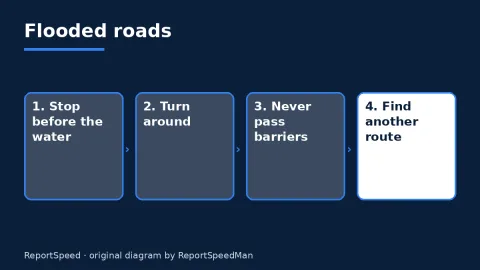
Is it safe to drive through a flooded road? How much water can float a car
Never drive into flood water; a foot of rushing water can carry most cars.
Rate itSolved
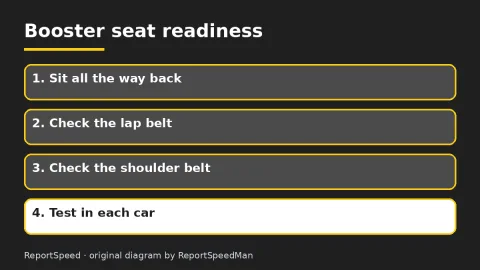
When can my child stop using a booster seat?
Keep the booster until the seat belt fits across the thighs and chest, and keep kids 12 and under in the back.
Rate itSolved
Does driving faster really waste gas? Speed and fuel economy
Above 50 mph mileage drops quickly, roughly like $0.30 more per gallon for each extra 5 mph.
Rate itSolved
Real experiences
No experiences yet. Be the first to share.