


My 15-year-old took a hard knock to the head in a soccer game. She says she's fine but has a headache and seems a bit foggy. The coach wants her back for Saturday's match. What are the concussion signs to watch for, which ones mean go to the ER now, and when is it safe for her to play again?
Concussion signs after a head bump: when to go to the ER
Concerns & risks
Your teen had a head knock in soccer, has a headache and fogginess, and the coach wants her back in days.
| Time | Watch for |
|---|---|
| First hour | Confusion, vomiting, pupils |
| Evening | Worsening headache |
| Night | Can she be woken normally? |
| Next day | Fog, light sensitivity |
| Day 2 | Mood, sleep changes |
| Any danger sign | ER now |

Causes & evidence
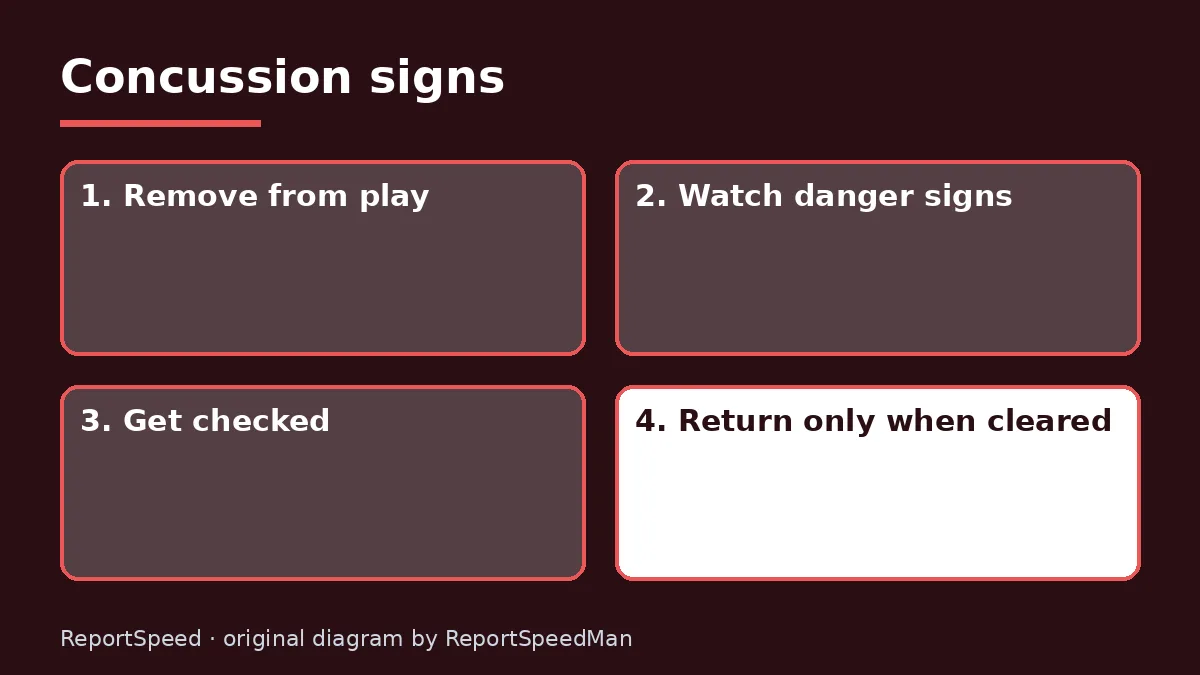
The CDC's HEADS UP program explains that a concussion is a type of brain injury caused by a bump, blow or jolt to the head, or a hit to the body that makes the head move quickly. Symptoms may appear right away or not for hours or days. They include headache or pressure, nausea or vomiting, balance problems or dizziness, blurry vision, sensitivity to light or noise, feeling sluggish, foggy or groggy, confusion, memory problems and just not feeling right. The CDC lists danger signs that need emergency care: one pupil larger than the other; drowsiness or inability to wake up; a headache that gets worse and does not go away; slurred speech, weakness, numbness or decreased coordination; repeated vomiting or nausea, convulsions or seizures; unusual behavior, increased confusion, restlessness or agitation; and loss of consciousness. The CDC says an athlete with a possible concussion should be removed from play and not return the same day, and should return only after a healthcare provider says it's OK.
Edge cases: older adults and people on blood thinners need extra caution after a head injury. Young children may show concussion by crying more, changing eating or sleeping, or losing interest in toys. Symptoms can appear hours later.
Letting a young athlete return to play while still having symptoms risks a second injury before the brain has recovered.
What to do
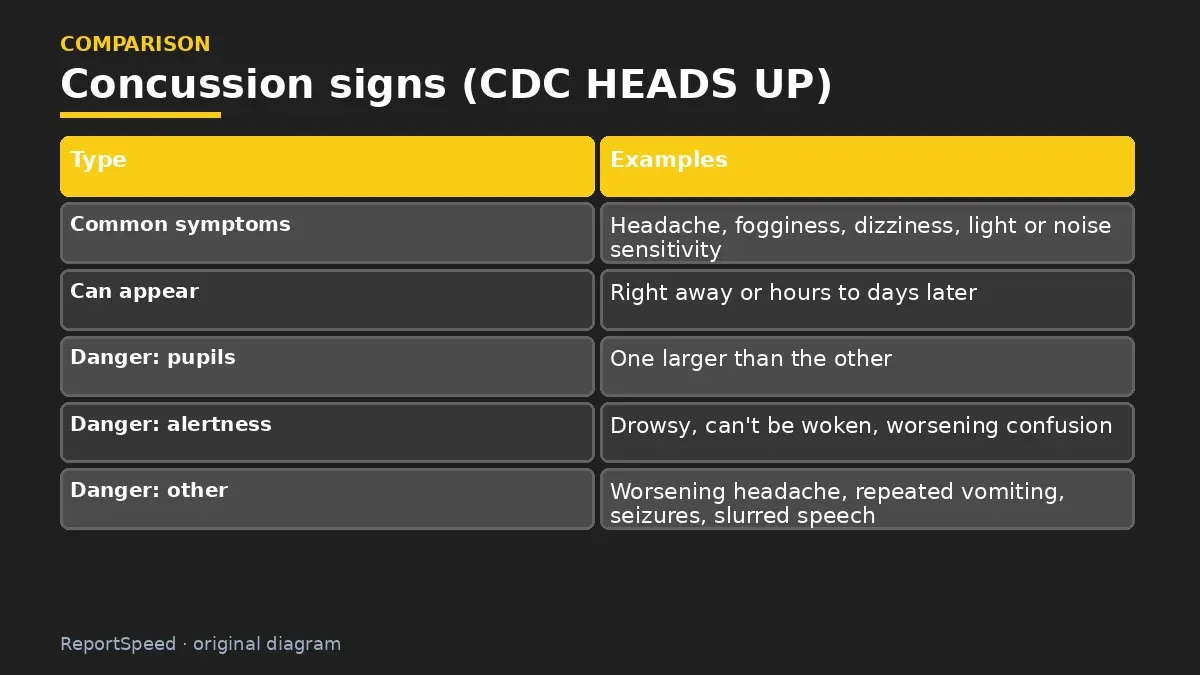
| Type | Examples |
|---|---|
| Common symptoms | Headache, fogginess, dizziness, light or noise sensitivity |
| Can appear | Right away or hours to days later |
| Danger: pupils | One larger than the other |
| Danger: alertness | Drowsy, can't be woken, worsening confusion |
| Danger: other | Worsening headache, repeated vomiting, seizures, slurred speech |
| Return to play | Not same day; only with provider clearance |
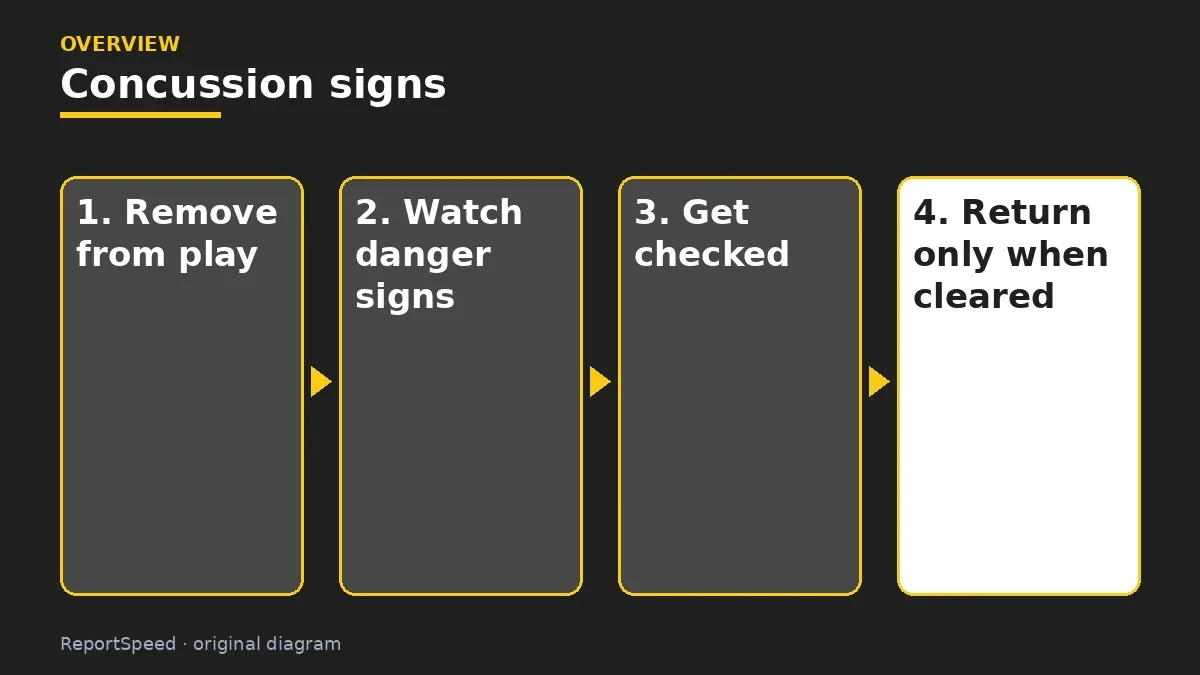
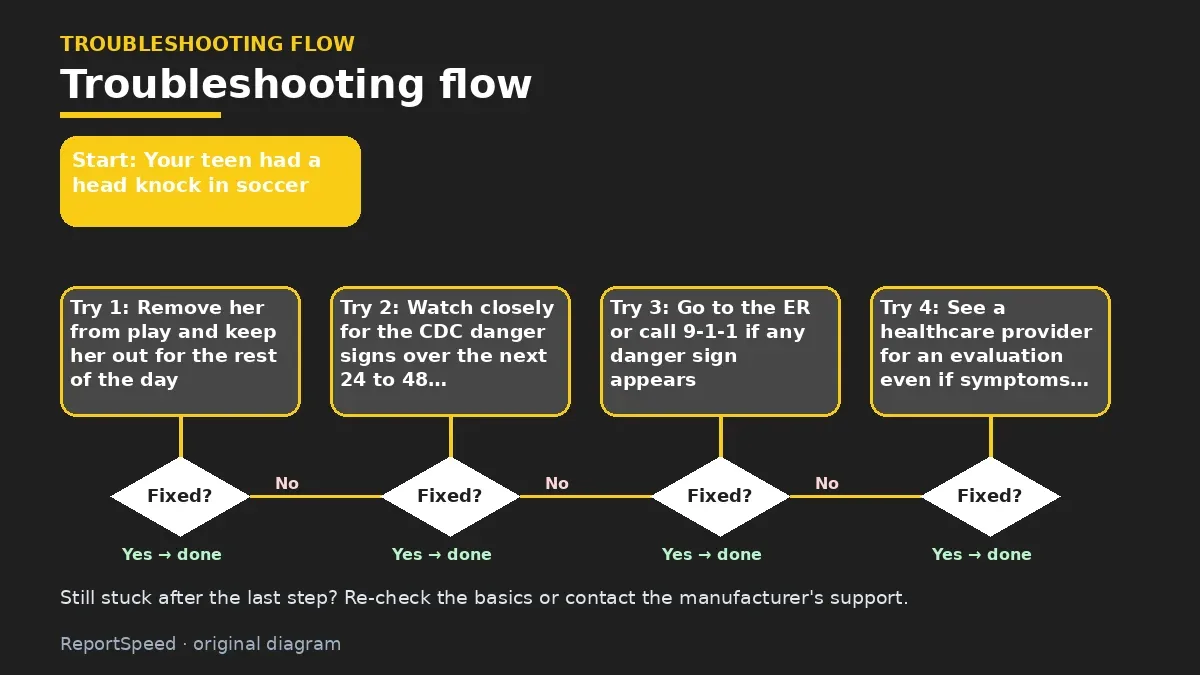
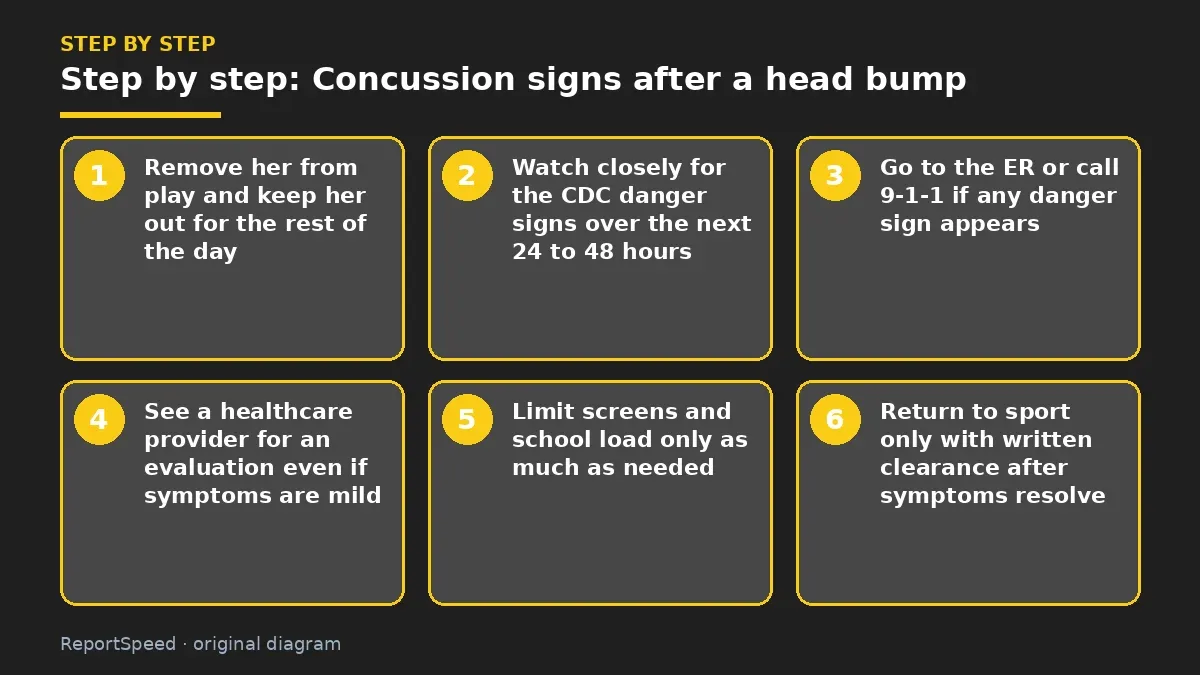
- Remove her from play and keep her out for the rest of the day.
- Watch closely for the CDC danger signs over the next 24 to 48 hours.
- Go to the ER or call 9-1-1 if any danger sign appears.
- See a healthcare provider for an evaluation even if symptoms are mild.
- Limit screens and school load only as much as needed, then increase gradually as advised.
- Return to sport only with written clearance after symptoms resolve.
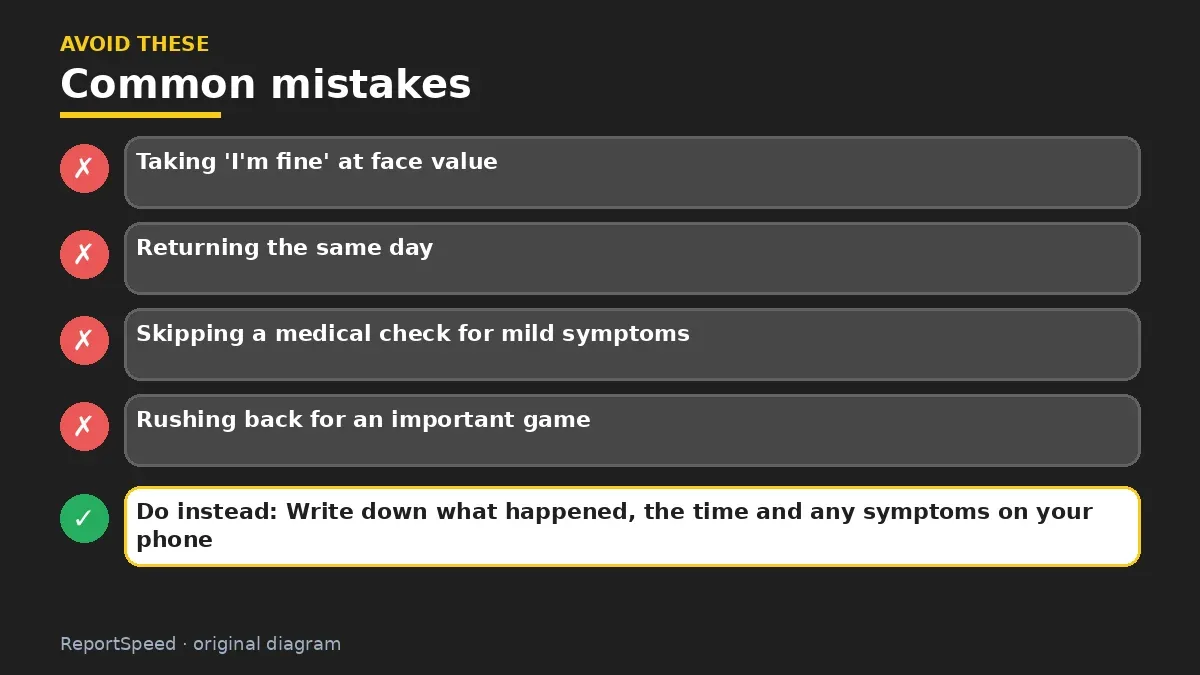
Common mistakes:
- Taking 'I'm fine' at face value
- Returning the same day
- Skipping a medical check for mild symptoms
- Rushing back for an important game
ReportSpeedMan tip: Write down what happened, the time and any symptoms on your phone. Providers and coaches will ask, and memory gets fuzzy quickly.
What I would actually do
I'd keep her out of Saturday's game, see her provider, and only clear her once symptoms are gone and the provider agrees.
The trade-off people miss: missing one game feels big to a teen, but returning too soon risks a longer recovery and a second injury.
Checking that it worked
She's out of play until a provider clears her.
Quick FAQ
Should she sleep?
Rest is fine; seek care if she can't be woken.
Can she use screens?
Limit as advised by her provider.
When can she play?
After symptoms resolve and a provider clears her.
Wrap-up: Watch for concussion symptoms and the CDC danger signs, go to the ER for any danger sign, and allow sport only after a provider clears her.
Wiki: Kids and Screen Time and Sleep Basics and Insomnia.
Concussion signs after a head bump: official pages behind this answer
Step-by-step photos
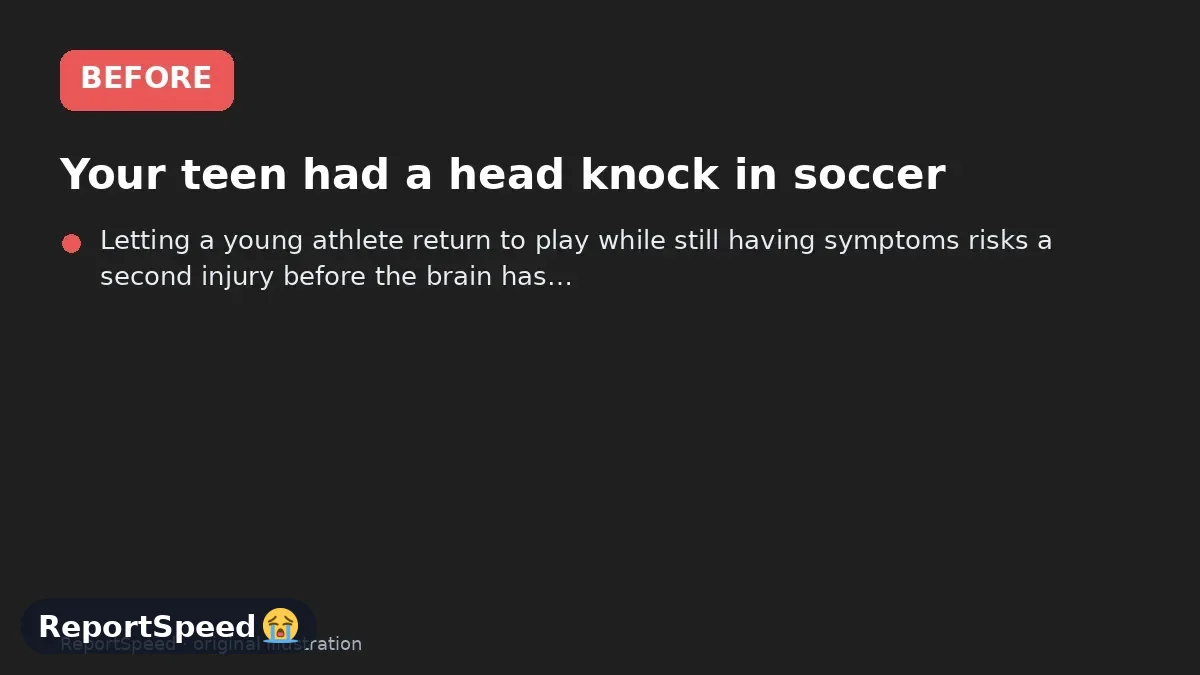
1. Before The problem 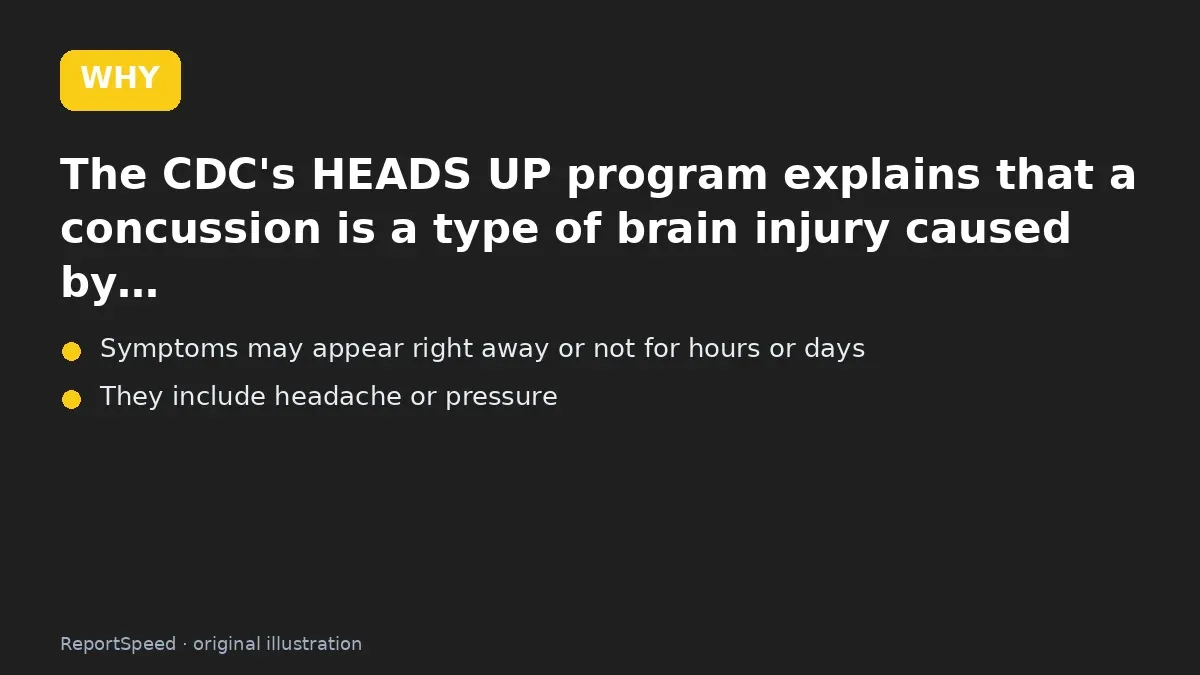
2. Why it happens The cause 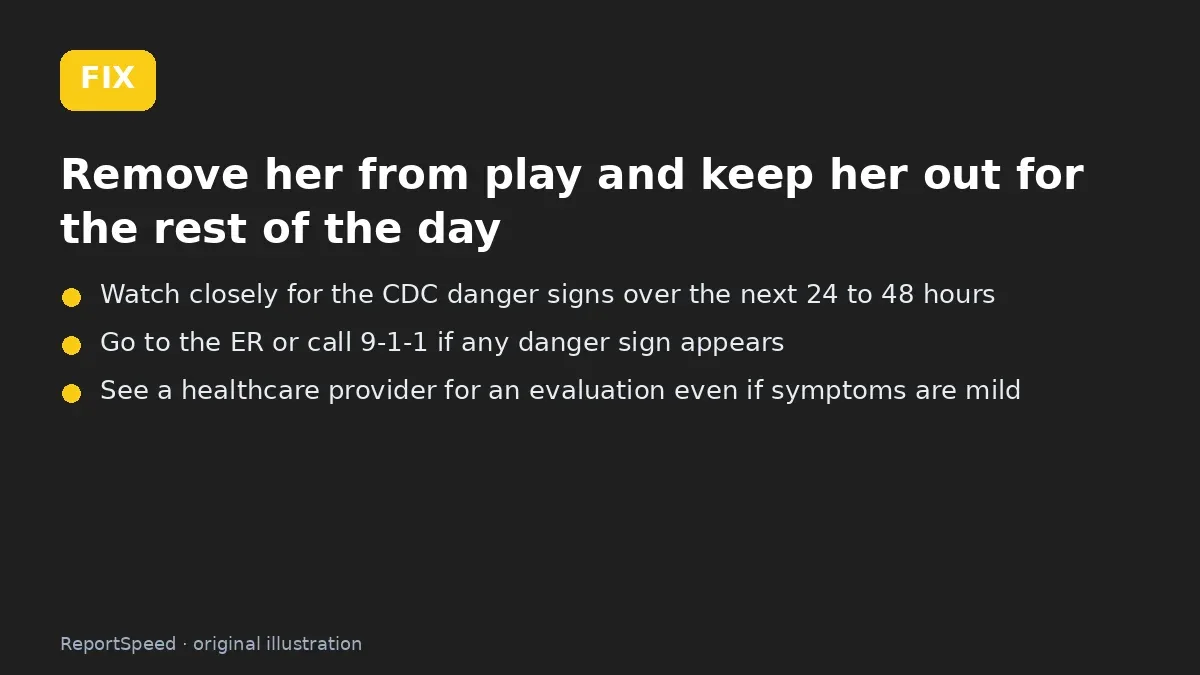
3. The fix The fix 
4. After The result
⚡ Speed Summary
- Watch for concussion symptoms and the CDC danger signs, go to the ER for any danger sign, and allow sport only after a provider clears her.
- Write down what happened, the time and any symptoms on your phone. Providers and coaches will ask, and memory gets fuzzy quickly.
- Letting a young athlete return to play while still having symptoms risks a second injury before the brain has recovered.

Was this answer helpful?
Tap a star to rate this answer.
Related questions
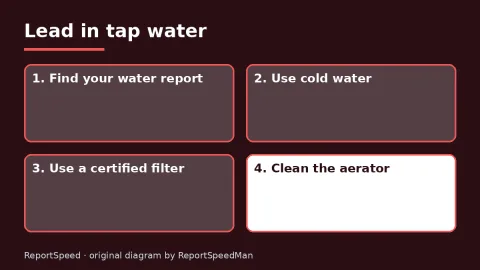
Is there lead in my tap water? How to check and lower your risk
Lead comes from plumbing, can't be seen, and isn't removed by boiling.
Rate itSolved
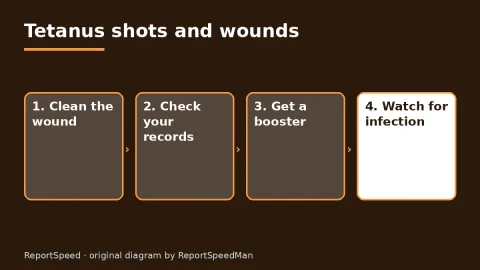
When do I need a tetanus shot? Booster timing and wounds
Boosters are every 10 years, or 5 years for dirty or puncture wounds.
Rate itSolved
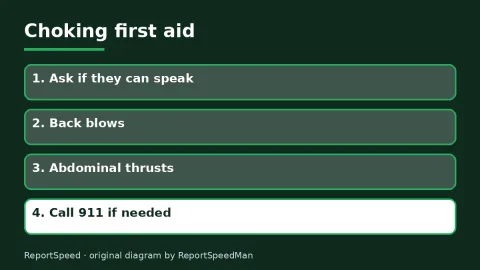
How to help someone who is choking: back blows and abdominal thrusts
Let a strong cough work.
Rate itSolved
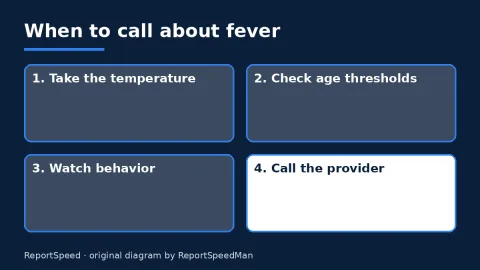
Fever: when to call the doctor for a child or adult
At 8 months, 102.2°F is the call-now line; your baby's 101.5°F means watch closely and call if it rises or warning signs appear.
Rate itSolved
Real experiences
No experiences yet. Be the first to share.