


With measles in the news again, I'm trying to figure out whether I'm protected. I was born in the 1980s and assume I had shots as a kid, but I have no records. Do adults need a measles booster, and how do I find out whether I'm already immune?
Do adults need a measles booster? How to check your MMR status
Concerns & risks
Measles is in the news, you don't have vaccination records and you want to know whether you need a shot.
| Source | Tip |
|---|---|
| Parents | Old baby books |
| Past doctors | Request your chart |
| State registry | Many keep adult records |
| School or military | Old health forms |

Causes & evidence
The CDC says adults without evidence of immunity should get at least one dose of MMR vaccine. Certain adults at higher risk, including college students, healthcare workers and international travellers, should have two doses. Evidence of immunity includes written documentation of vaccination, a lab test showing immunity or past lab-confirmed disease, or being born before 1957. People who received an inactivated measles vaccine between 1963 and 1967, or a vaccine of unknown type in that period, should be revaccinated. Two doses of MMR are about 97% effective at preventing measles. MMR isn't given during pregnancy.
Measles is very contagious, and outbreaks are more likely where vaccination rates are lower. Talk to a doctor if you're pregnant, immunocompromised or planning a pregnancy.
Assuming you're protected without checking records can leave a gap, especially before international travel.
What to do

| Situation | What the CDC advises |
|---|---|
| No evidence of immunity | At least 1 dose of MMR |
| College students, healthcare workers, travellers | 2 doses |
| Born before 1957 | Generally presumed immune |
| Inactivated vaccine in 1963–1967 | Revaccinate |
| Pregnancy | MMR not given during pregnancy |
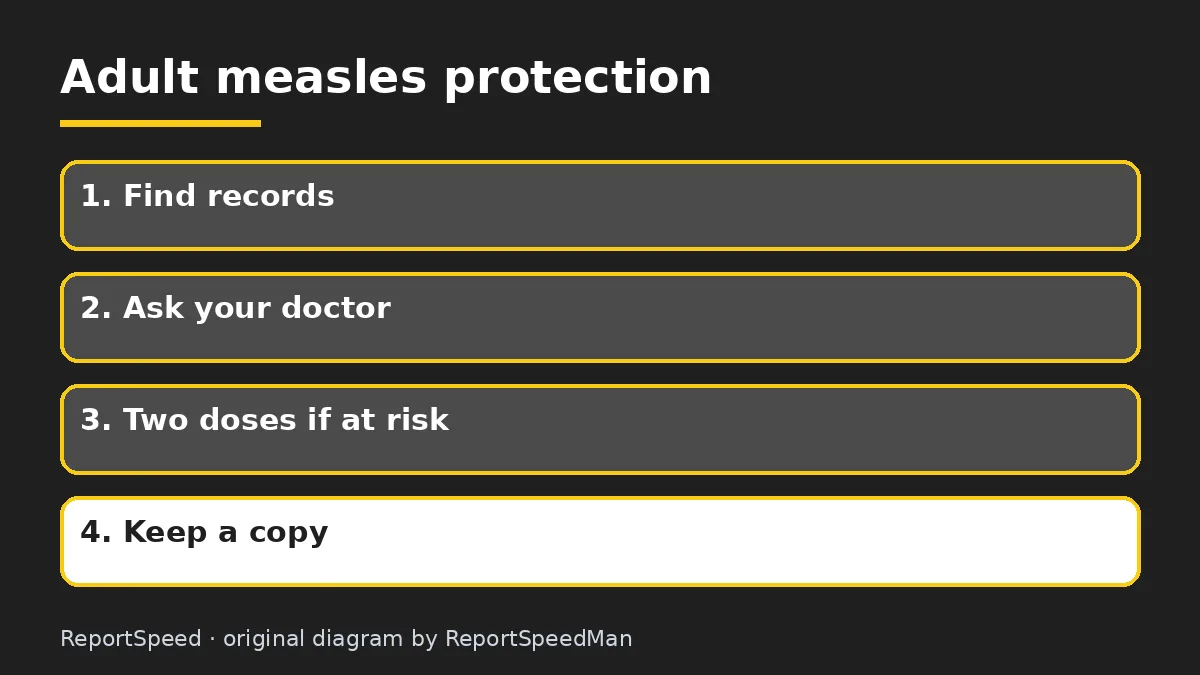
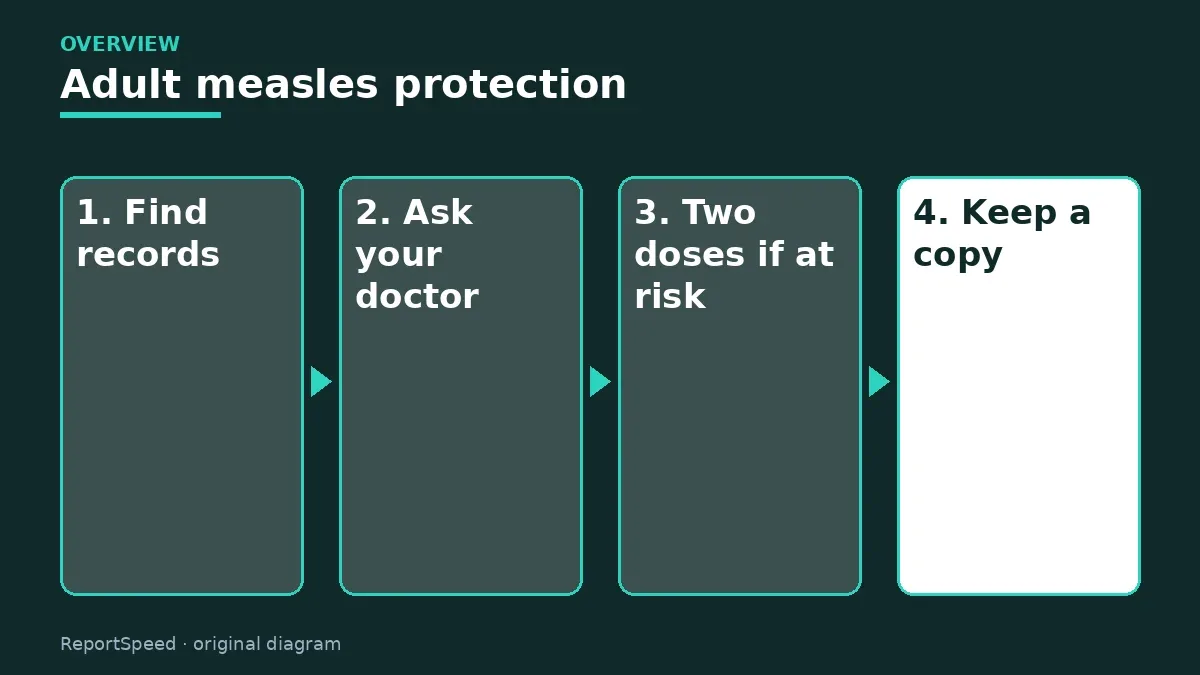
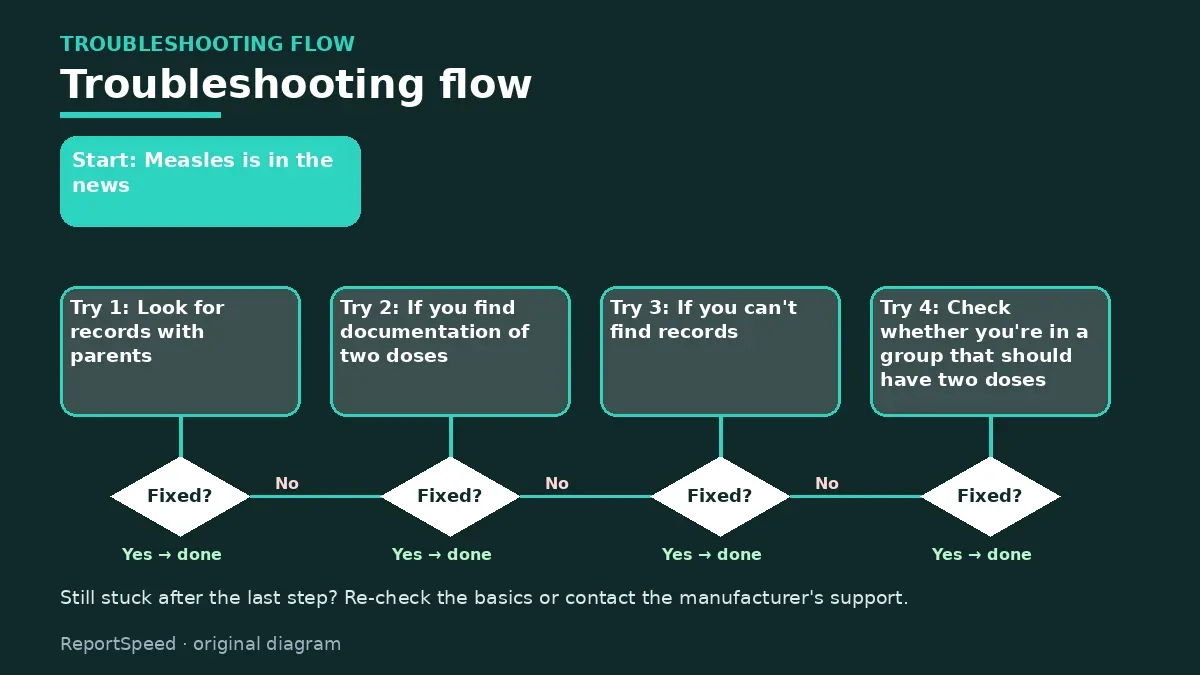
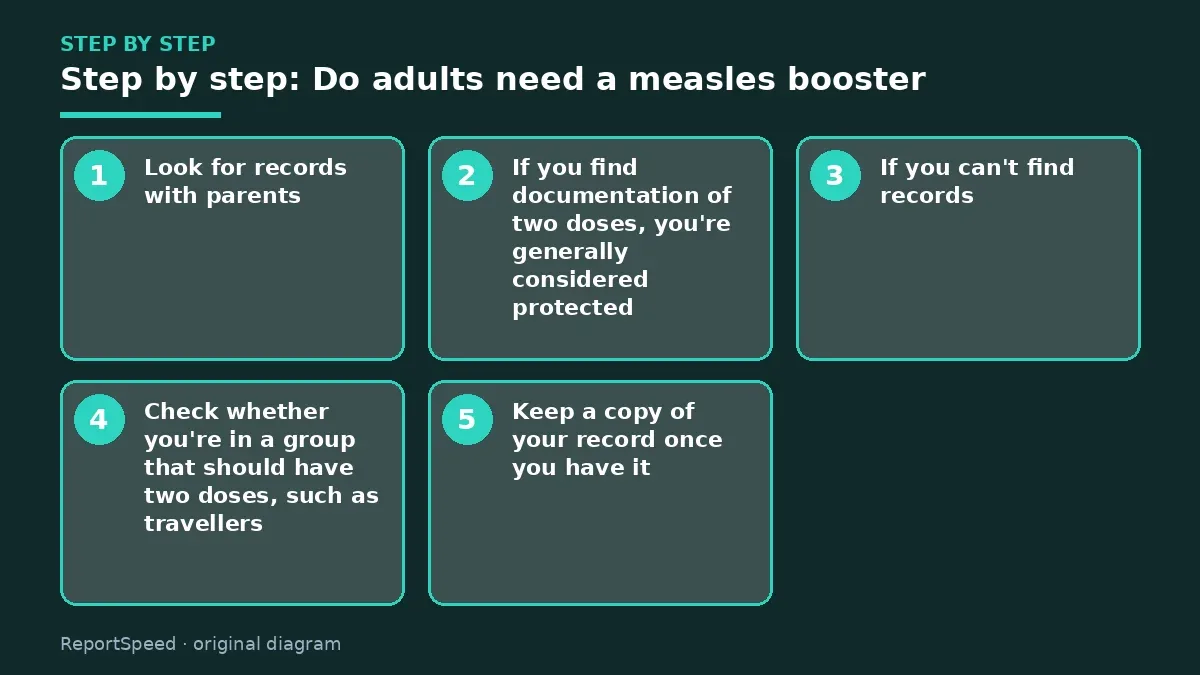
- Look for records with parents, past doctors, schools or your state immunisation registry.
- If you find documentation of two doses, you're generally considered protected.
- If you can't find records, ask your doctor about getting a dose or a blood test for immunity.
- Check whether you're in a group that should have two doses, such as travellers.
- Keep a copy of your record once you have it.
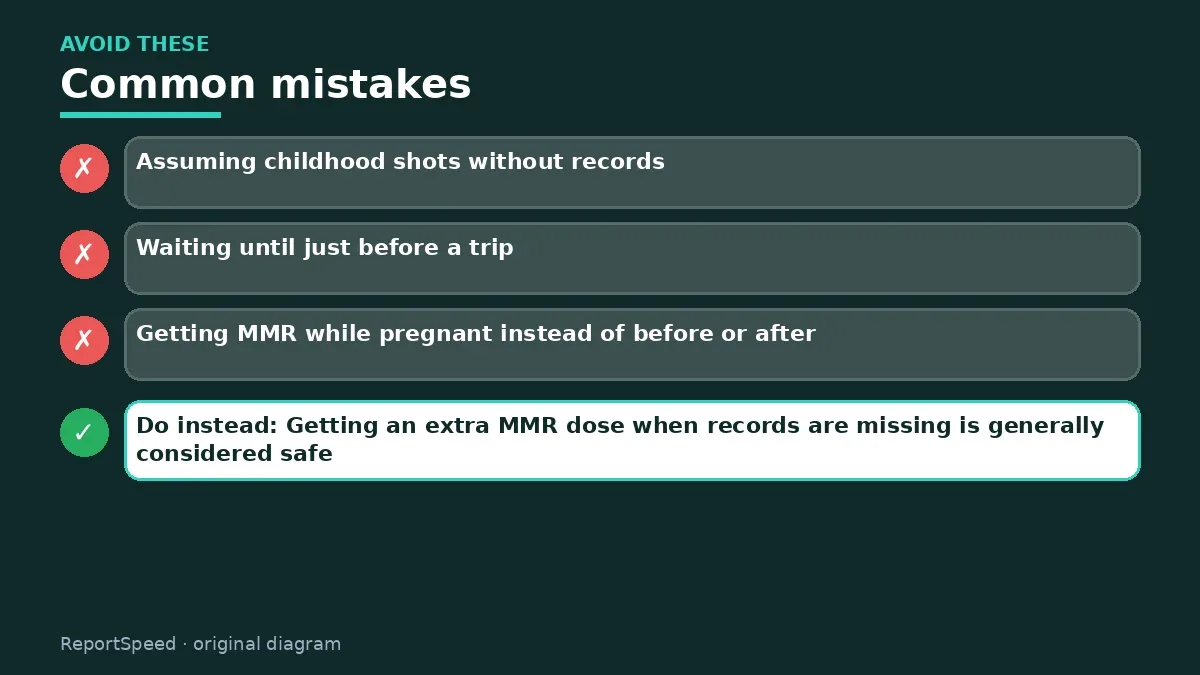
Common mistakes:
- Assuming childhood shots without records
- Waiting until just before a trip
- Getting MMR while pregnant instead of before or after
ReportSpeedMan tip: Getting an extra MMR dose when records are missing is generally considered safe, so lack of paperwork shouldn't stop you from getting protected.
What I would actually do
I'd spend 15 minutes looking for records, and if I couldn't find any, ask my doctor about a dose rather than chasing paperwork.
The trade-off people miss: a blood test can confirm immunity but takes a visit and time; a dose is often quicker and is generally considered safe.
Proof that it worked
You have a record of two MMR doses, or a dose or test from your doctor.
Quick FAQ
Do I need a booster if I had two doses?
Generally no.
Is an extra dose harmful?
Generally considered safe.
Can I get MMR before travel?
Yes, ideally at least two weeks before.
Wrap-up: Find your records or ask for a dose or blood test. Most adults need nothing more, but it's worth confirming, especially before travel.
Wiki: Common Cold vs. Flu and Sleep Basics and Insomnia.
Do adults need a measles booster: where the facts come from
Step-by-step photos
1. Before The problem 
2. Why it happens The cause 
3. The fix The fix 
4. After The result
⚡ Speed Summary
- Find your records or ask for a dose or blood test.
- Getting an extra MMR dose when records are missing is generally considered safe, so lack of paperwork shouldn't stop you from getting protected.
- Assuming you're protected without checking records can leave a gap, especially before international travel.

Was this answer helpful?
Tap a star to rate this answer.
Related questions
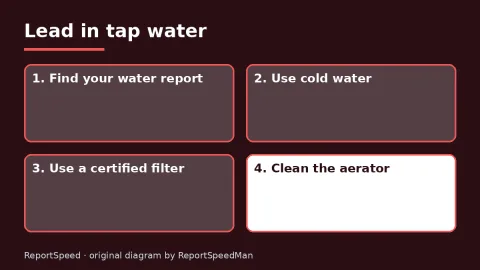
Is there lead in my tap water? How to check and lower your risk
Lead comes from plumbing, can't be seen, and isn't removed by boiling.
Rate itSolved
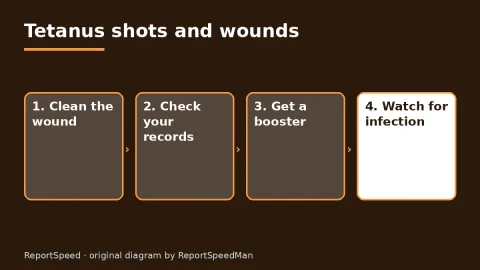
When do I need a tetanus shot? Booster timing and wounds
Boosters are every 10 years, or 5 years for dirty or puncture wounds.
Rate itSolved
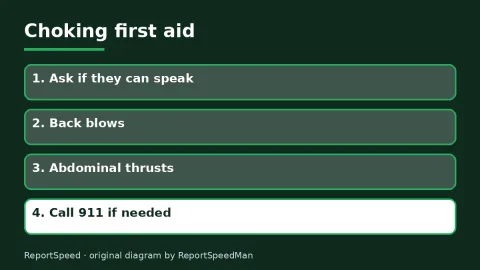
How to help someone who is choking: back blows and abdominal thrusts
Let a strong cough work.
Rate itSolved
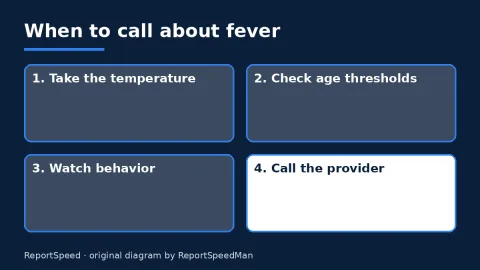
Fever: when to call the doctor for a child or adult
At 8 months, 102.2°F is the call-now line; your baby's 101.5°F means watch closely and call if it rises or warning signs appear.
Rate itSolved
Real experiences
No experiences yet. Be the first to share.