


My husband was mowing the lawn on a 94-degree afternoon and came inside sweating heavily, pale and dizzy, saying he felt sick to his stomach. He's better after resting in the air conditioning, but I wasn't sure whether to call 911. What's the difference between heat exhaustion and heat stroke, and when is it an emergency?
Heat exhaustion vs heat stroke: how to tell the difference
Concerns & risks
Someone became sweaty, pale, dizzy and nauseated after working in the heat, and you weren't sure how serious it was.
| Group | Extra care |
|---|---|
| Adults 65+ | Check on them during heat waves |
| Young children | Never leave in a car; watch fluids |
| Outdoor workers | Breaks, shade, water |
| Chronic illness | Ask about medicine and heat |
| People new to heat | Build up gradually |
Causes & evidence
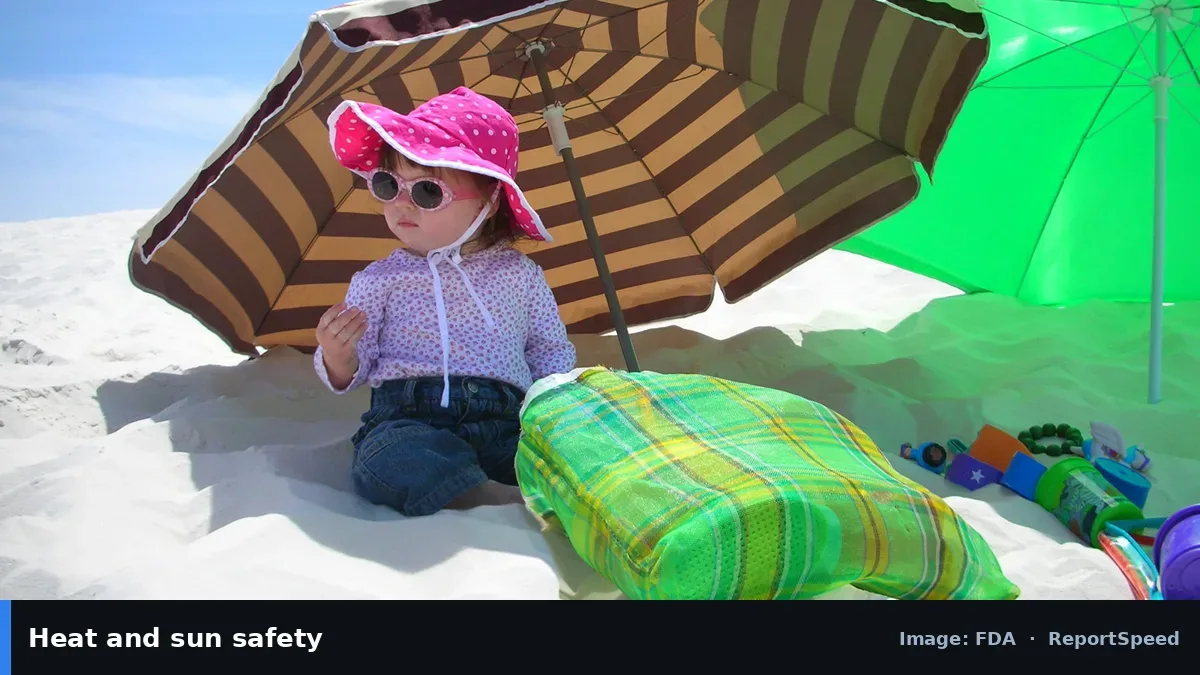
The CDC describes heat stroke as the most serious heat-related illness. Signs include a body temperature of 103°F or higher; hot, red, dry or damp skin; a fast, strong pulse; headache; dizziness; nausea; confusion; and passing out. Heat stroke is an emergency: call 911, move the person to a cooler place and lower their temperature with cool cloths or a cool bath, and don't give them anything to drink. Heat exhaustion signs include heavy sweating; cold, pale, clammy skin; a fast, weak pulse; nausea or vomiting; muscle cramps; tiredness or weakness; dizziness; headache; and fainting. For heat exhaustion, the CDC advises moving to a cool place, loosening clothes, applying cool, wet cloths and sipping water. Get medical help right away if the person is throwing up, symptoms get worse or symptoms last longer than an hour. Confusion is a key warning sign that heat exhaustion may be turning into heat stroke. Older adults, young children, outdoor workers and people with chronic illness are at higher risk.
Edge cases: some medicines, such as certain blood pressure and mental health medicines, can affect how your body handles heat, so ask your pharmacist. Older adults may not feel thirsty or overheated as quickly. Electric fans may not prevent heat illness when it's very hot; air-conditioned spaces like libraries or cooling centers are safer.
Waiting to see whether a confused, overheated person 'sleeps it off' wastes the minutes that matter most in heat stroke.
What to do
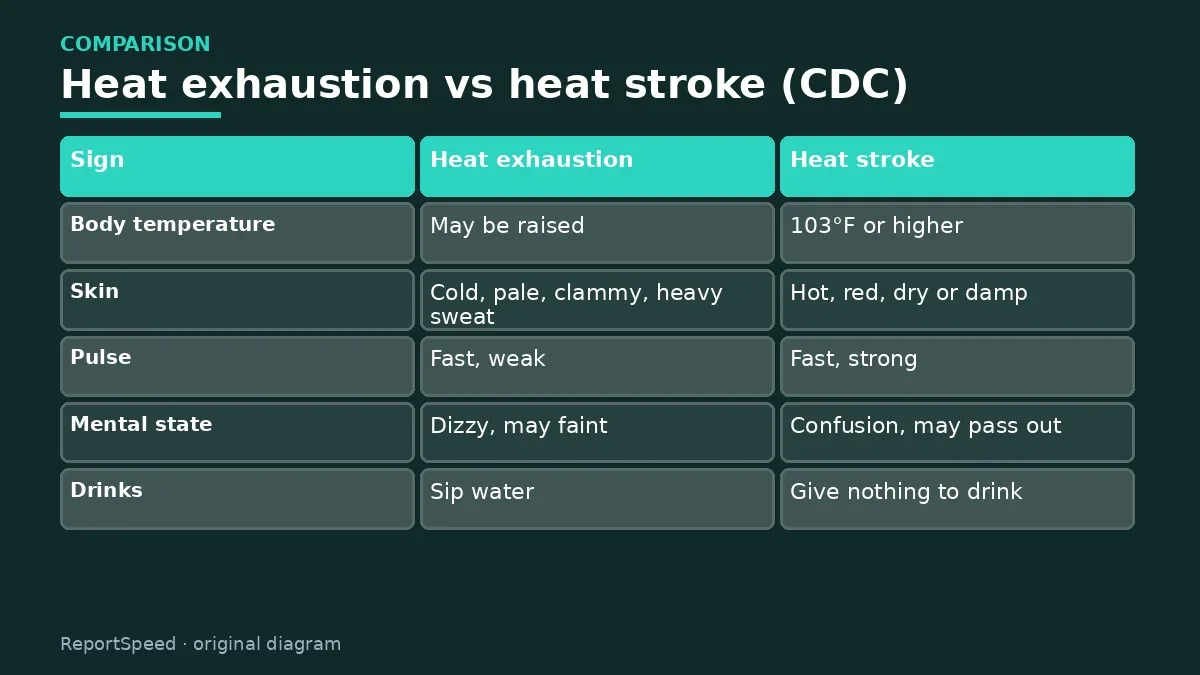
| Sign | Heat exhaustion | Heat stroke |
|---|---|---|
| Body temperature | May be raised | 103°F or higher |
| Skin | Cold, pale, clammy, heavy sweat | Hot, red, dry or damp |
| Pulse | Fast, weak | Fast, strong |
| Mental state | Dizzy, may faint | Confusion, may pass out |
| Drinks | Sip water | Give nothing to drink |
| Action | Cool down; get help if vomiting, worse or over 1 hour | Call 911 now |
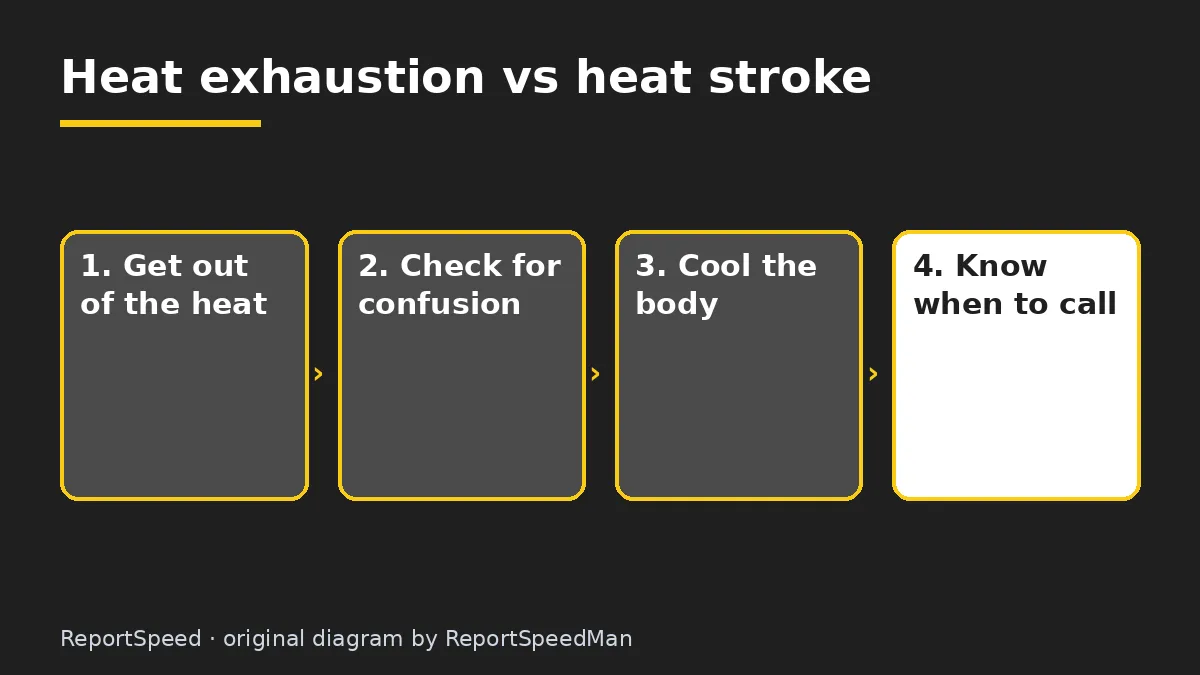
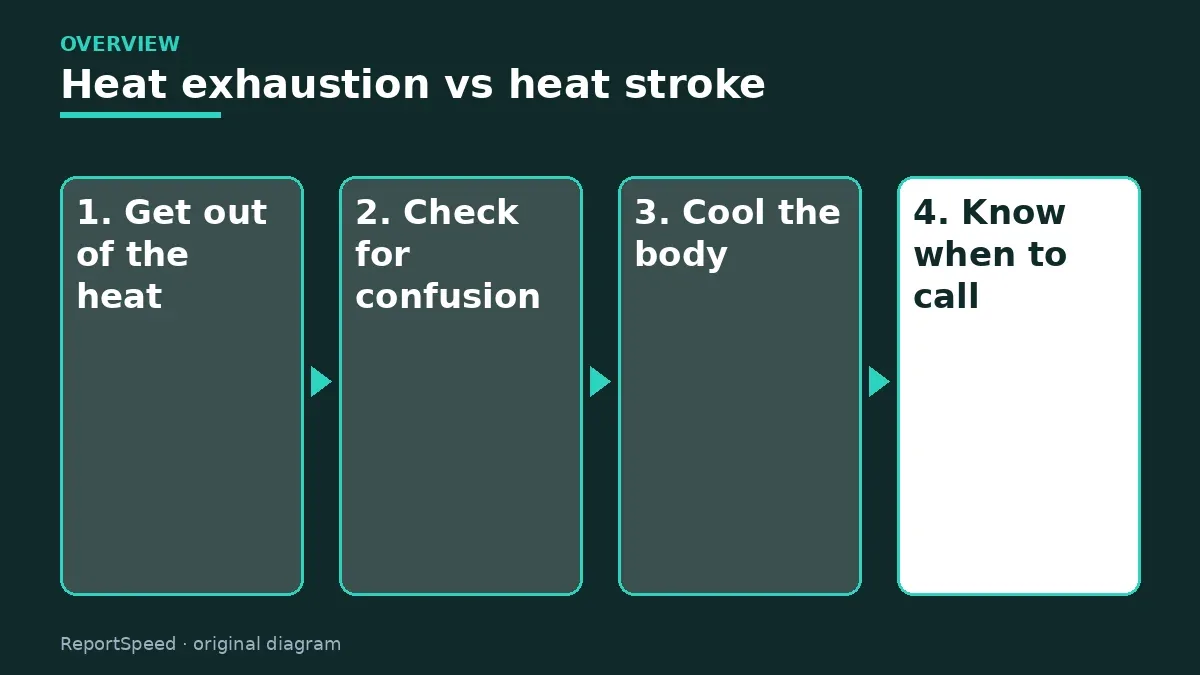
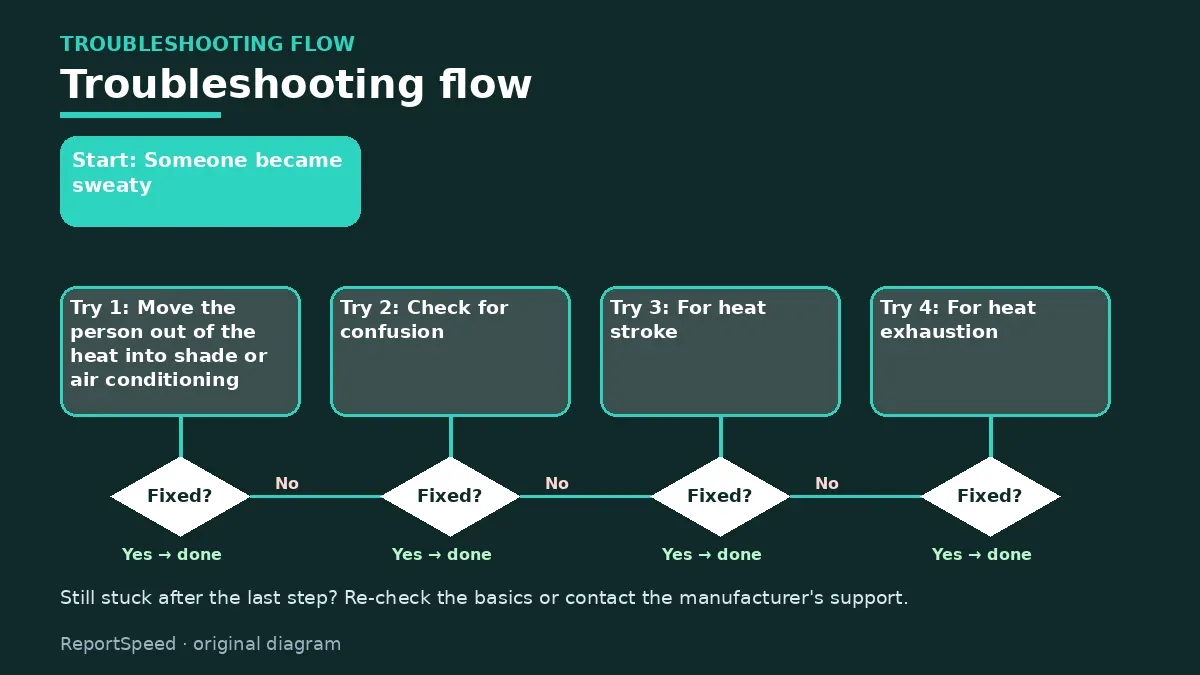
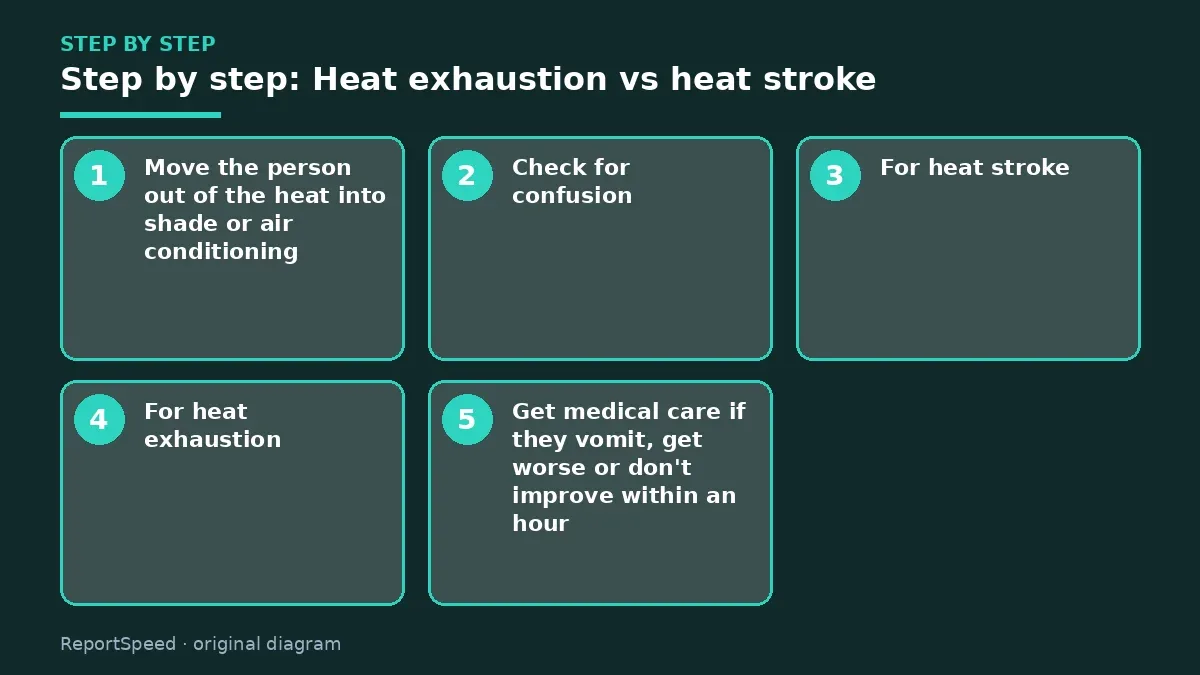
- Move the person out of the heat into shade or air conditioning.
- Check for confusion, very hot skin or a temperature of 103°F or higher; if present, call 911.
- For heat stroke, cool them with wet cloths or a cool bath while you wait, and give no drinks.
- For heat exhaustion, loosen clothing, apply cool, wet cloths and offer sips of water.
- Get medical care if they vomit, get worse or don't improve within an hour.
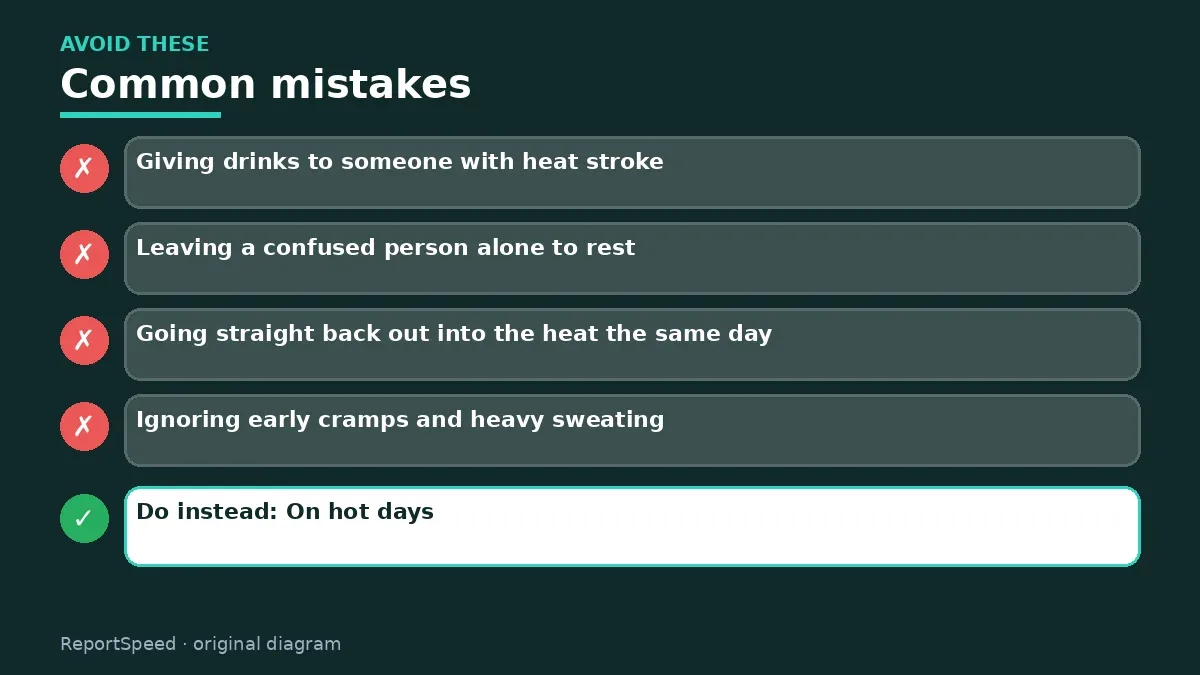
Common mistakes:
- Giving drinks to someone with heat stroke
- Leaving a confused person alone to rest
- Going straight back out into the heat the same day
- Ignoring early cramps and heavy sweating
ReportSpeedMan tip: On hot days, plan outdoor chores for early morning or evening, take breaks in the shade and drink water regularly, even before you feel thirsty.
What I would actually do
I'd get him into the cool, check whether he's confused or has a very high temperature, and call 911 straight away if either is true; otherwise cool him down and keep watching.
The trade-off people miss: feeling better after an hour of rest doesn't make it safe to go back out the same afternoon. The body needs time to recover, and a second bout can be worse.
Proof that it worked
You can spot heat stroke signs and know when to call 911.
Quick FAQ
Can heat exhaustion become heat stroke?
Yes, if the person isn't cooled down.
Should I give salt tablets?
Not unless a clinician advises it.
When can he go back out?
Wait until fully recovered; ask a clinician if unsure.
Wrap-up: Heavy sweating with pale, clammy skin points to heat exhaustion; confusion, hot skin or 103°F+ points to heat stroke, which needs 911. Cool the person down either way.
Wiki: Sleep Basics and Insomnia and Wage and Hour Basics (FLSA).
Heat exhaustion vs heat stroke: official sources I checked
Step-by-step photos
1. Before The problem 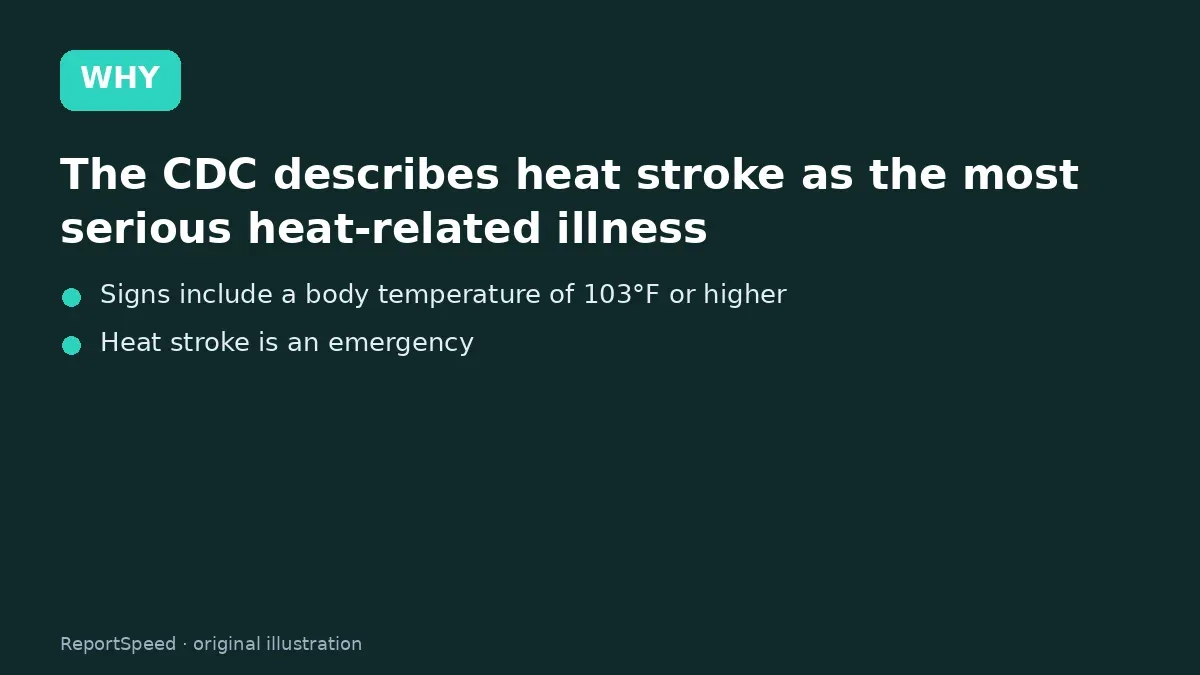
2. Why it happens The cause 
3. The fix The fix 
4. After The result
⚡ Speed Summary
- Heavy sweating with pale, clammy skin points to heat exhaustion; confusion, hot skin or 103°F+ points to heat stroke, which needs 911.
- On hot days, plan outdoor chores for early morning or evening, take breaks in the shade and drink water regularly, even before you feel thirsty.
- Waiting to see whether a confused, overheated person 'sleeps it off' wastes the minutes that matter most in heat stroke.

Was this answer helpful?
Tap a star to rate this answer.
Related questions
Is there lead in my tap water? How to check and lower your risk
Lead comes from plumbing, can't be seen, and isn't removed by boiling.
Rate itSolved
When do I need a tetanus shot? Booster timing and wounds
Boosters are every 10 years, or 5 years for dirty or puncture wounds.
Rate itSolved
How to help someone who is choking: back blows and abdominal thrusts
Let a strong cough work.
Rate itSolved
Fever: when to call the doctor for a child or adult
At 8 months, 102.2°F is the call-now line; your baby's 101.5°F means watch closely and call if it rises or warning signs appear.
Rate itSolved
Real experiences
No experiences yet. Be the first to share.