


I want to look at my credit report before applying for an apartment, but every site I find asks for a card number or pushes a monitoring subscription. Is there really a free official way to get my credit report, and how often am I allowed to check it?
How do I get my free credit report, and how often can I check it?
Concerns & risks
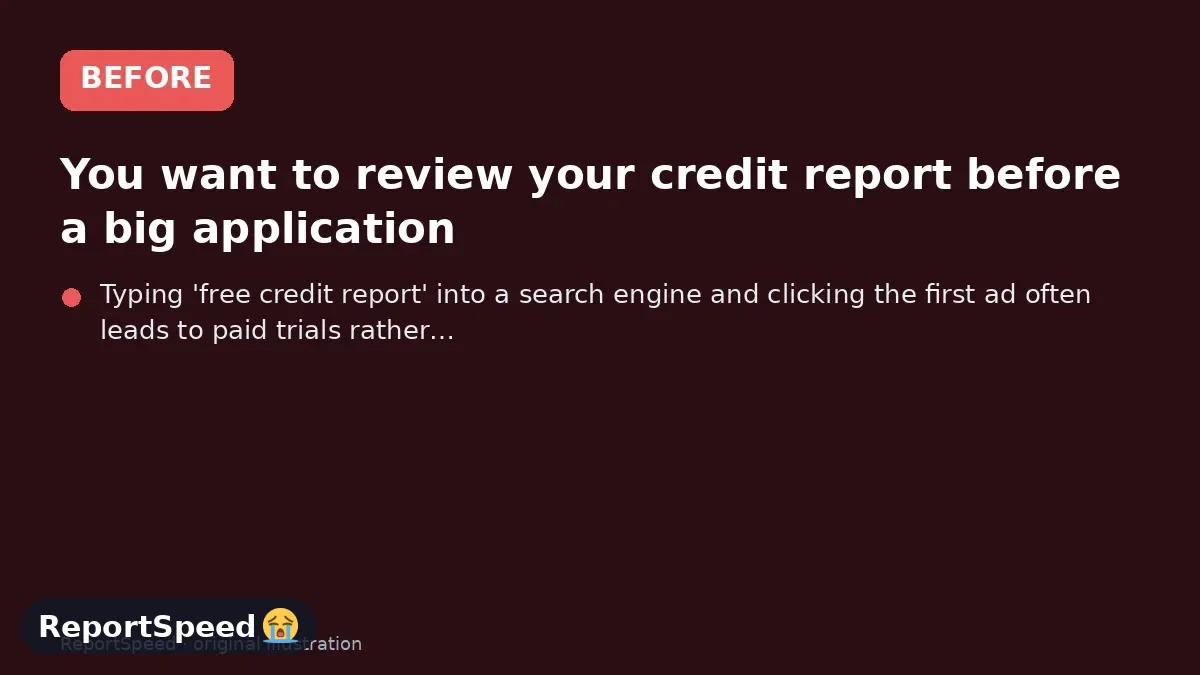
You want to review your credit report before a big application, but the internet is full of look-alike sites trying to sell you something.
| Section | Red flag |
|---|---|
| Personal info | Addresses or names you never used |
| Accounts | Accounts you didn't open |
| Payment history | Late marks you don't recognise |
| Inquiries | Applications you didn't make |
Causes & evidence
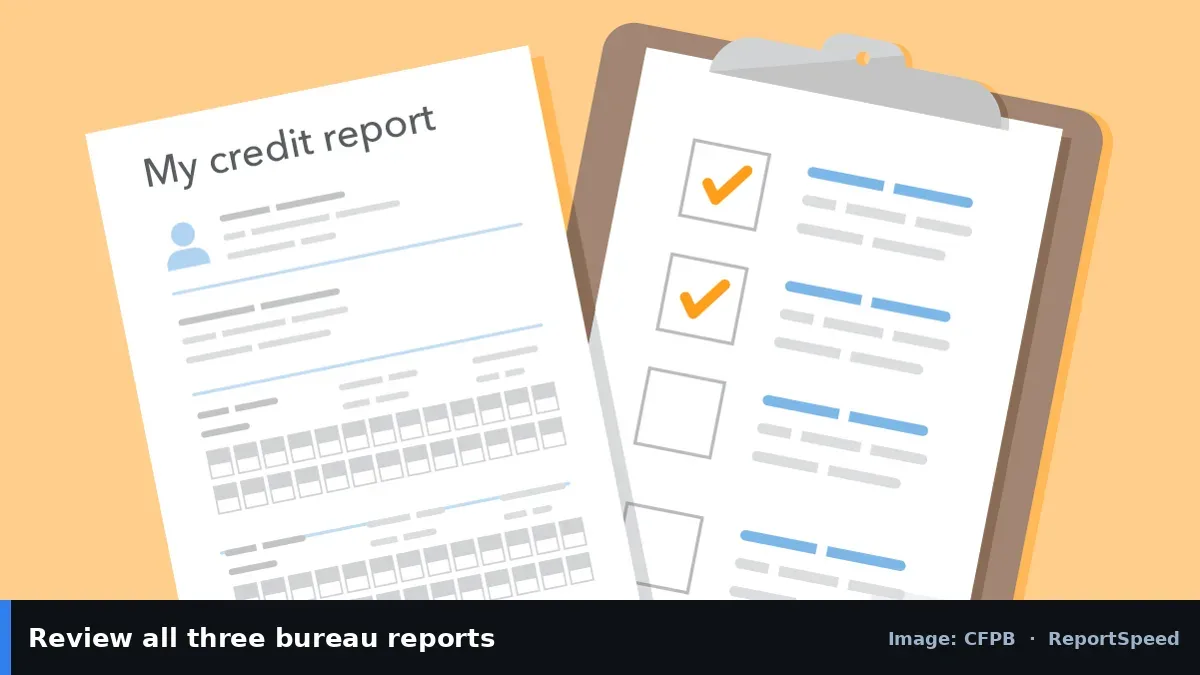
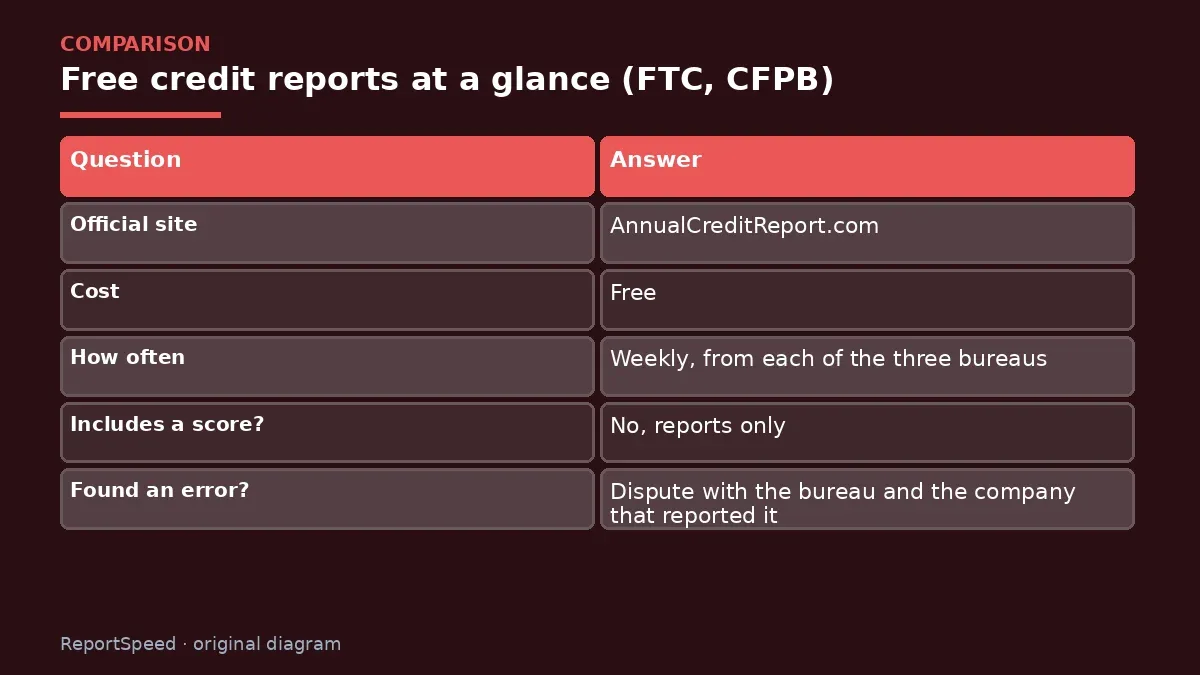
Federal law entitles you to free credit reports from Equifax, Experian and TransUnion, and the three bureaus have made free weekly reports permanently available through AnnualCreditReport.com, which the FTC and CFPB point to as the official site. You don't need a credit card to use it. The reports show your accounts, payment history, balances, inquiries and public records, but they don't include a credit score. Because each bureau may have different information, it's worth looking at all three before a big application.
Credit scores are separate from reports and are often available free through your bank or card issuer. Errors on reports are common enough that the FTC and CFPB recommend checking regularly.
Typing 'free credit report' into a search engine and clicking the first ad often leads to paid trials rather than the official site.
What to do
| Question | Answer |
|---|---|
| Official site | AnnualCreditReport.com |
| Cost | Free |
| How often | Weekly, from each of the three bureaus |
| Includes a score? | No, reports only |
| Found an error? | Dispute with the bureau and the company that reported it |
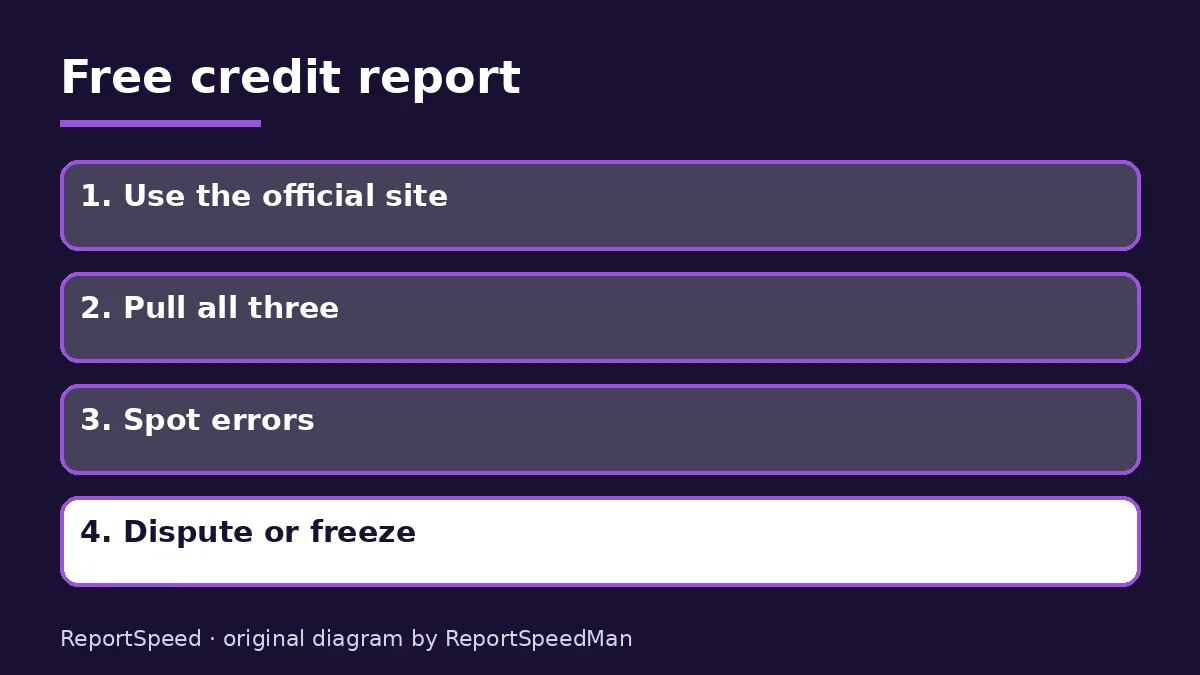
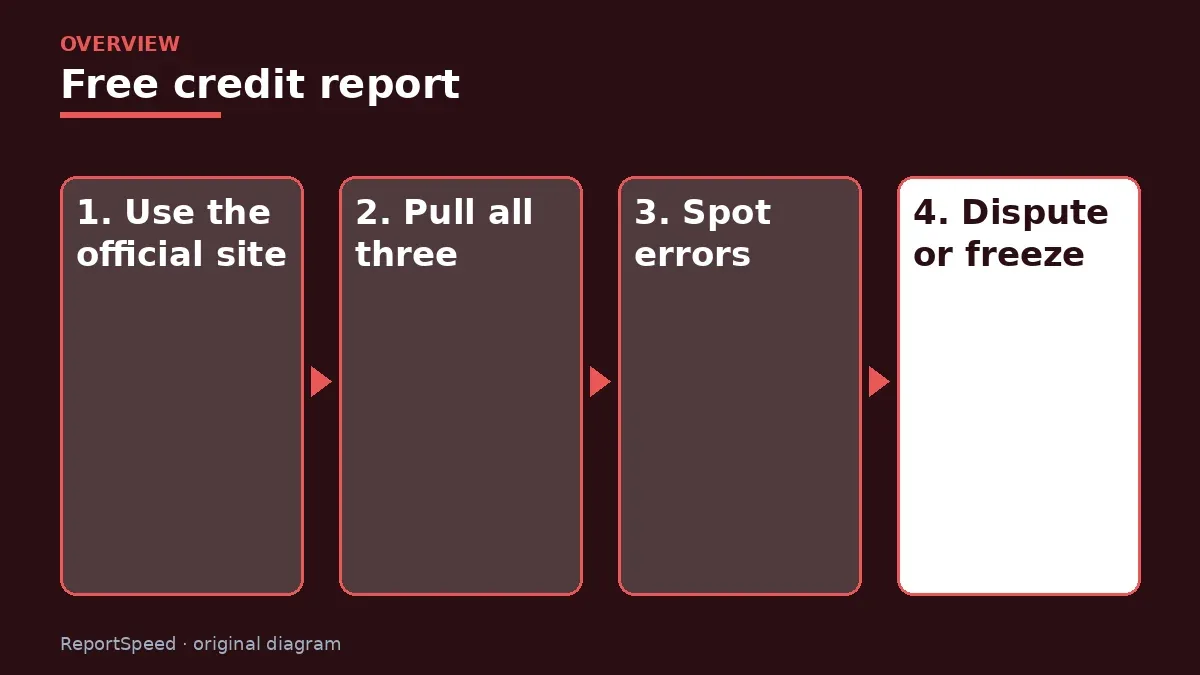
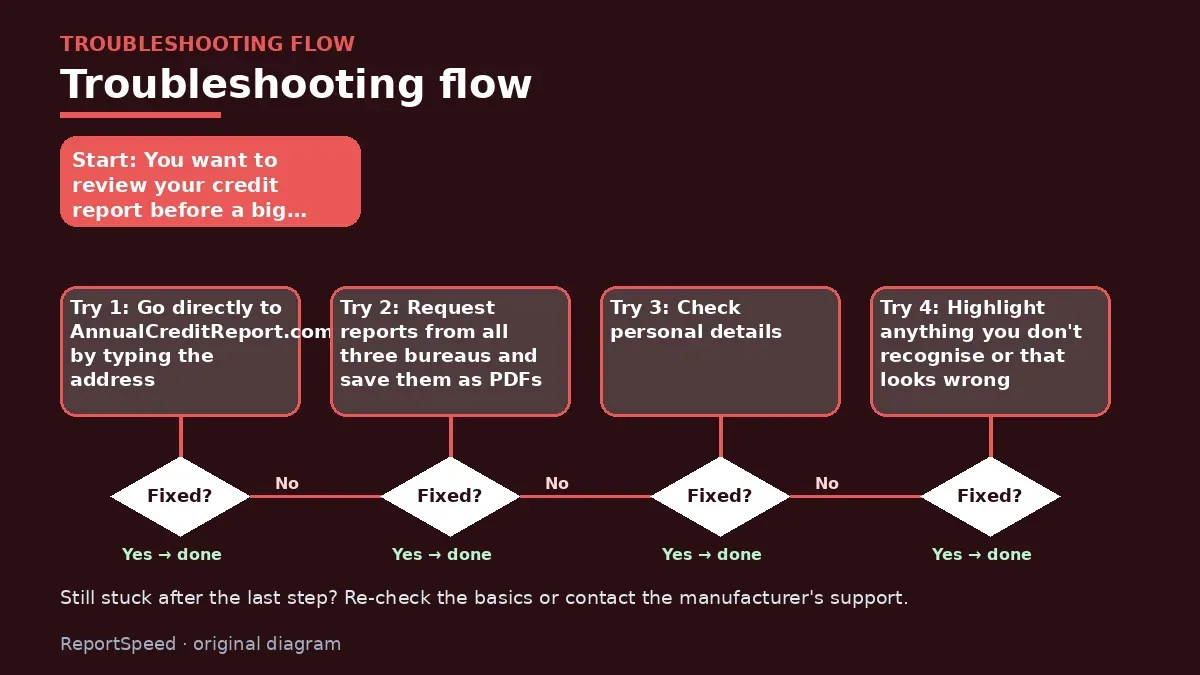
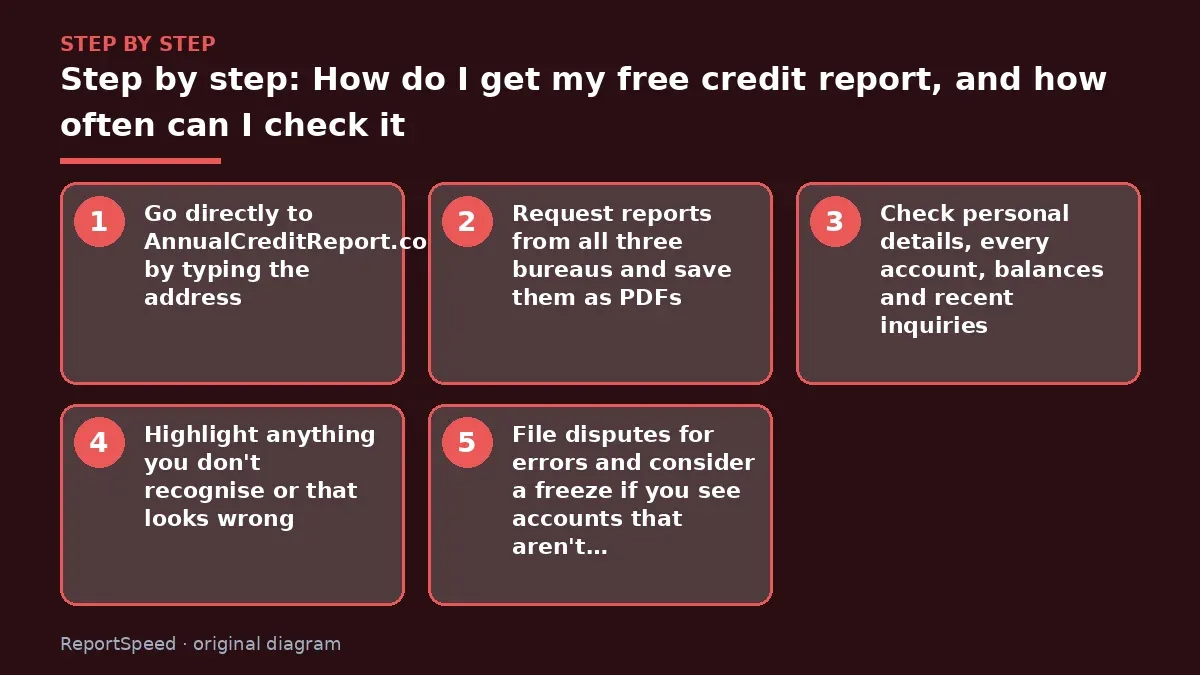
- Go directly to AnnualCreditReport.com by typing the address.
- Request reports from all three bureaus and save them as PDFs.
- Check personal details, every account, balances and recent inquiries.
- Highlight anything you don't recognise or that looks wrong.
- File disputes for errors and consider a freeze if you see accounts that aren't yours.
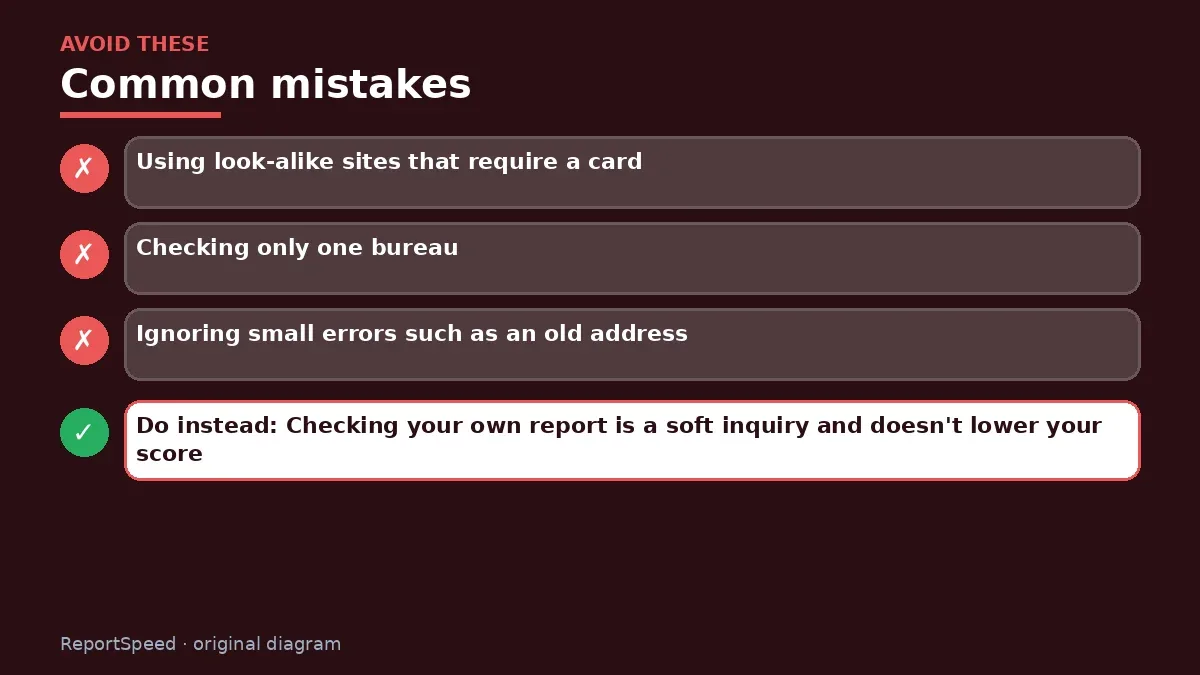
Common mistakes:
- Using look-alike sites that require a card
- Checking only one bureau
- Ignoring small errors such as an old address
ReportSpeedMan tip: Checking your own report is a soft inquiry and doesn't lower your score, so reviewing before a big application costs nothing.
What I would actually do
I'd pull all three reports once now, again a month before any big application, and freeze my credit afterwards if I'm not planning new credit.
The trade-off people miss: a credit freeze blocks fraud, but you have to lift it each time you apply for credit, so plan a few days ahead.
How to tell it worked
You've reviewed all three reports and any errors are disputed or corrected.
Quick FAQ
Does checking hurt my score?
No, checking your own report is a soft inquiry.
How long do disputes take?
Bureaus generally investigate within about 30 days.
Should I freeze my credit?
It's free and blocks most new-account fraud.
Wrap-up: Use the official site, review all three reports and act on anything unfamiliar. It's free and it can save you a surprise denial.
Wiki: Credit Scores and Credit Reports and Identity Theft Recovery Steps.
How do I get my free credit report, and how often can I check it: read the originals
Step-by-step photos
1. Before The problem 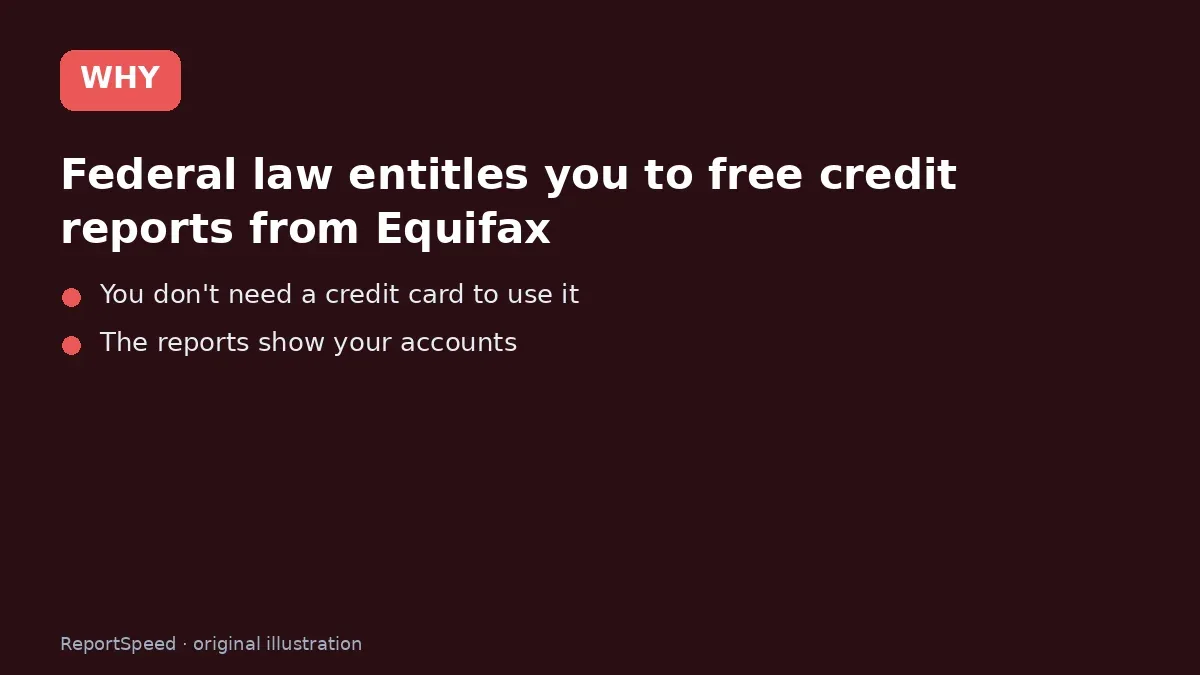
2. Why it happens The cause 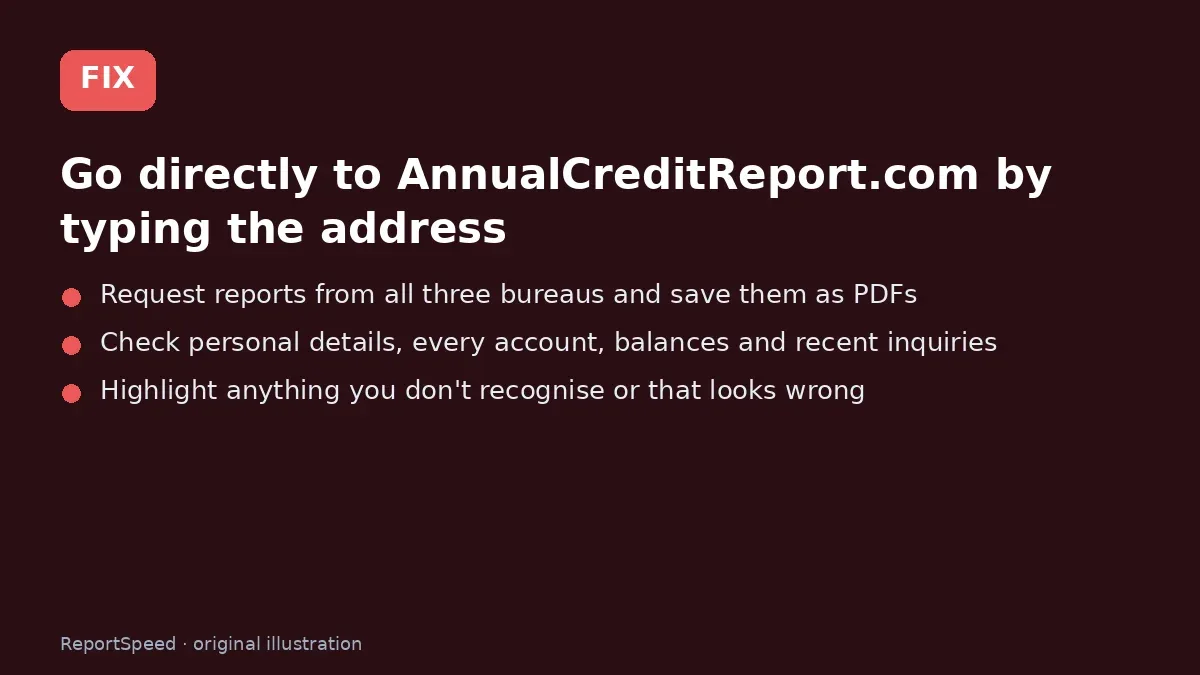
3. The fix The fix 
4. After The result
⚡ Speed Summary
- Use the official site, review all three reports and act on anything unfamiliar.
- Checking your own report is a soft inquiry and doesn't lower your score, so reviewing before a big application costs nothing.
- Typing 'free credit report' into a search engine and clicking the first ad often leads to paid trials rather than the official site.

Was this answer helpful?
Tap a star to rate this answer.
Related questions
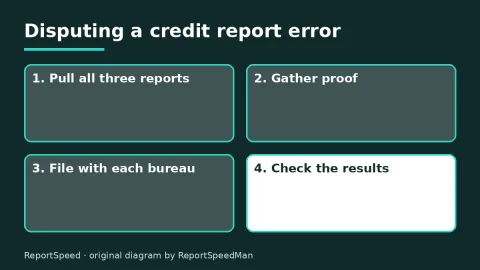
Found an error on my credit report? How to dispute it step by step
Dispute with each bureau and the furnisher, include proof, and expect results in about 30 days.
Rate itSolved
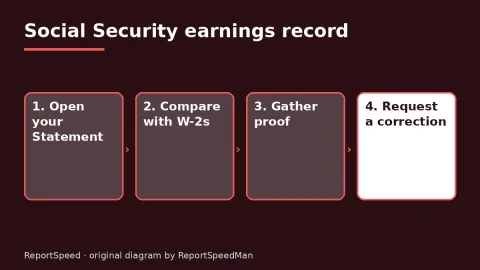
How do I check my Social Security earnings record and fix a mistake?
Check your Statement every year, match it to your W-2s, and correct gaps with proof before the usual window closes.
Rate itSolved
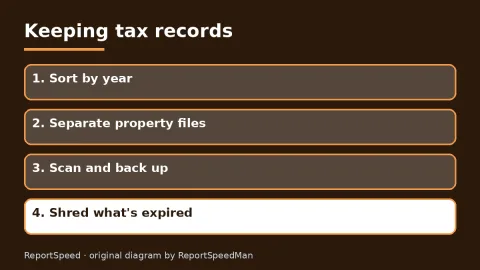
How long should I keep tax records? The IRS 3-, 6- and 7-year rules
Three years covers most returns; six, seven or forever apply in specific cases.
Rate itSolved
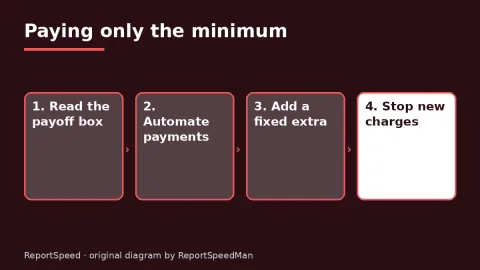
What happens if I only pay the minimum on my credit card?
Minimum payments keep you current but stretch the debt for years.
Rate itSolved
Real experiences
No experiences yet. Be the first to share.