


I usually get about six hours on weeknights and try to sleep in on weekends. I feel mostly fine, but I've read that might not be enough. How much sleep do adults actually need, and can I make up for weekday sleep loss on the weekend?
How much sleep do adults really need?
Concerns & risks
You sleep around six hours on weeknights, catch up on weekends and wonder whether that's actually enough.
| Sign | What it suggests |
|---|---|
| Need an alarm every day | Possibly short on sleep |
| Sleepy driving | Serious warning sign |
| Long weekend lie-ins | Weekday deficit |
| Loud snoring, gasping | Talk to a doctor |

Causes & evidence
The CDC's sleep guidance says adults ages 18 to 60 need 7 or more hours of sleep per night, adults 61 to 64 need 7 to 9 hours, and adults 65 and older need 7 to 8 hours. Teens ages 13 to 18 need 8 to 10 hours. Getting less than recommended on a regular basis is linked with health problems and makes accidents more likely. The National Heart, Lung, and Blood Institute notes that sleeping more on weekends doesn't fully make up for sleep lost during the week, and the irregular schedule can make it harder to fall asleep on Sunday night.
Sleep needs vary somewhat between people, but regularly getting less than the recommended amount is linked with health risks. Persistent sleepiness despite enough hours can signal a sleep disorder.
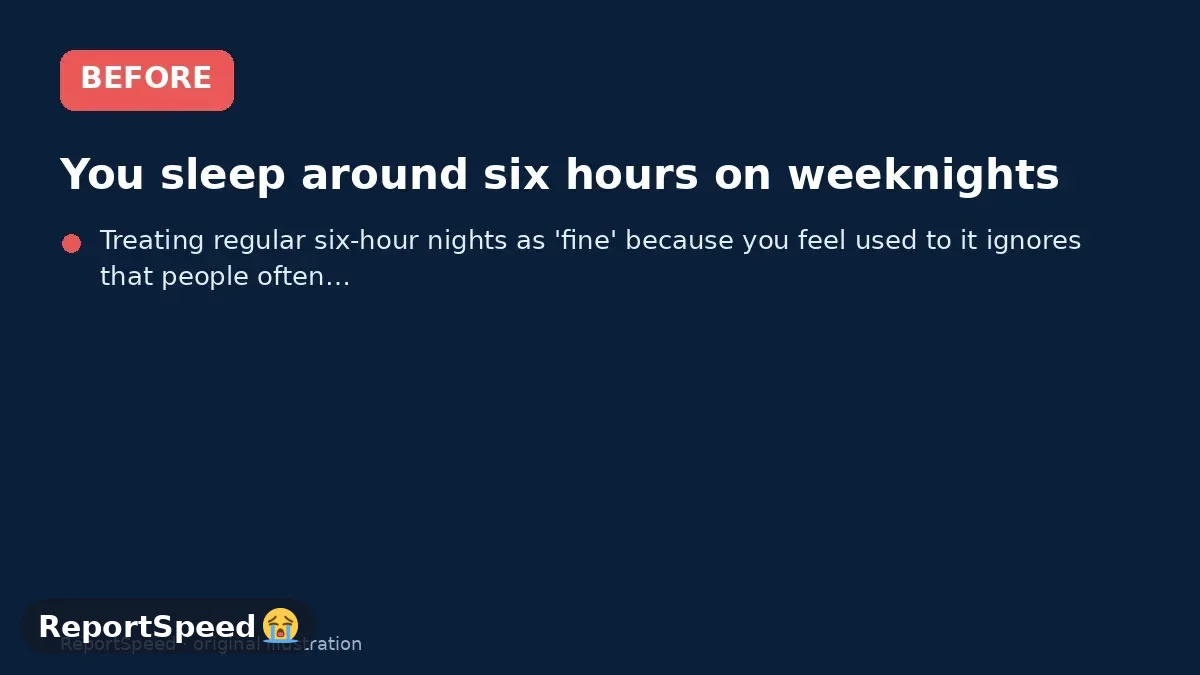
Treating regular six-hour nights as 'fine' because you feel used to it ignores that people often underestimate how sleep loss affects them.
What to do

| Age group | Recommended hours per night |
|---|---|
| Teens 13–18 | 8–10 hours |
| Adults 18–60 | 7 or more hours |
| Adults 61–64 | 7–9 hours |
| Adults 65+ | 7–8 hours |
| Weekend catch-up | Doesn't fully make up for lost sleep (NHLBI) |
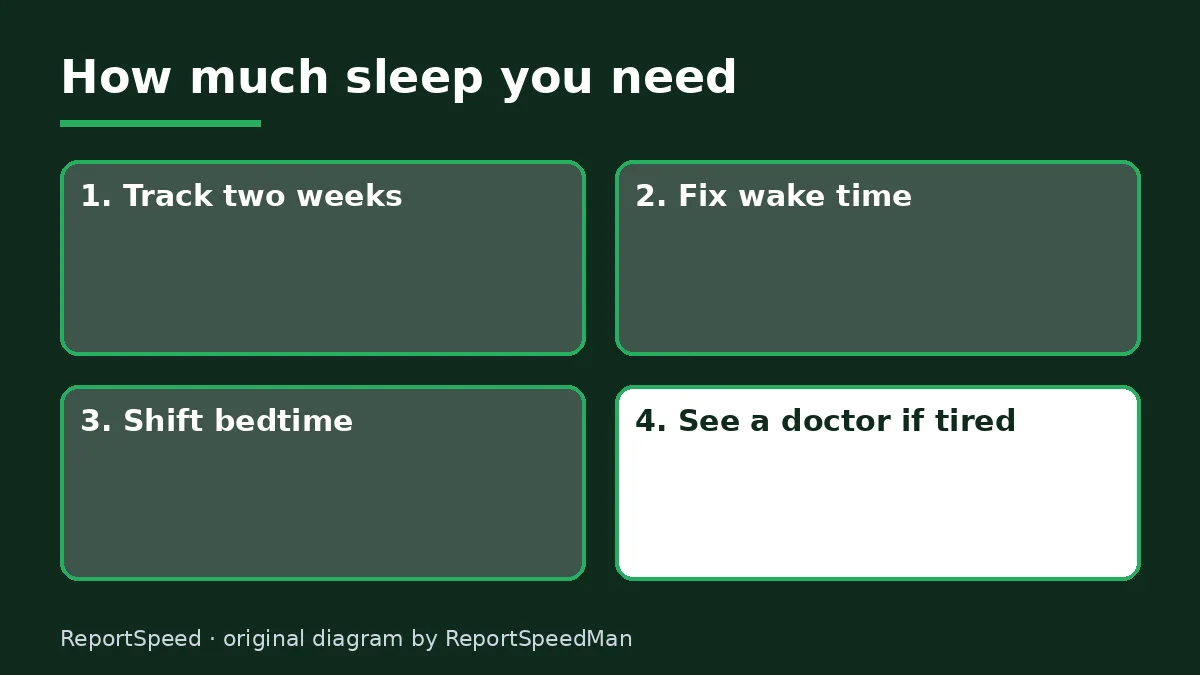
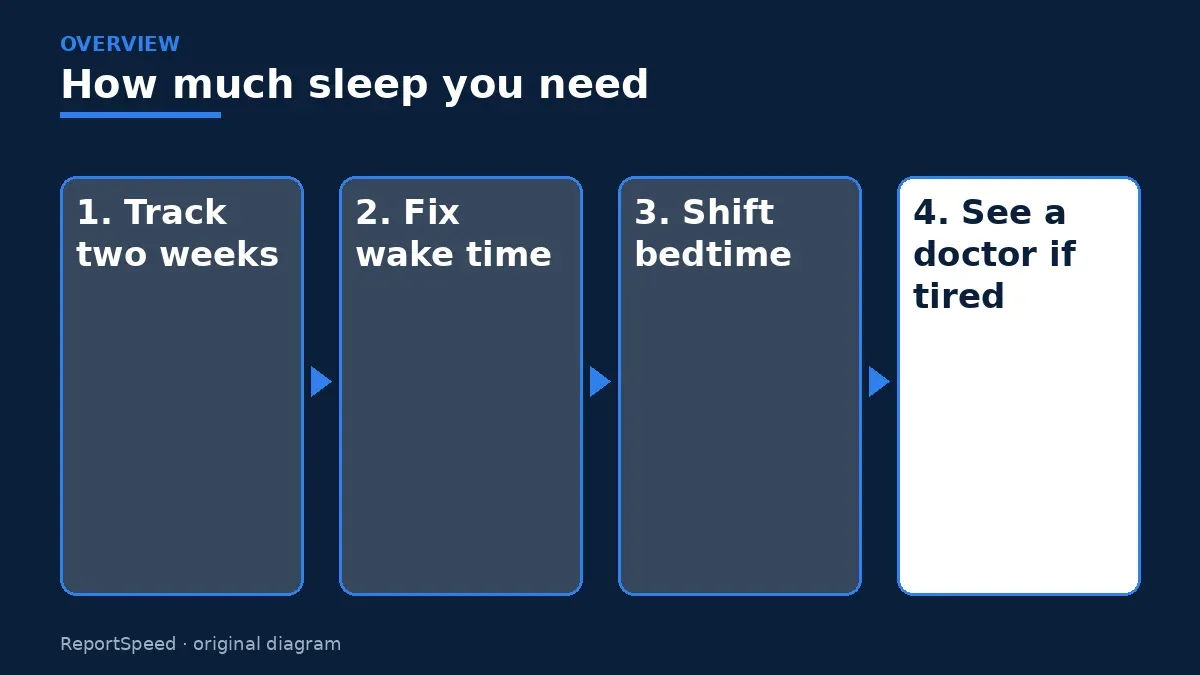
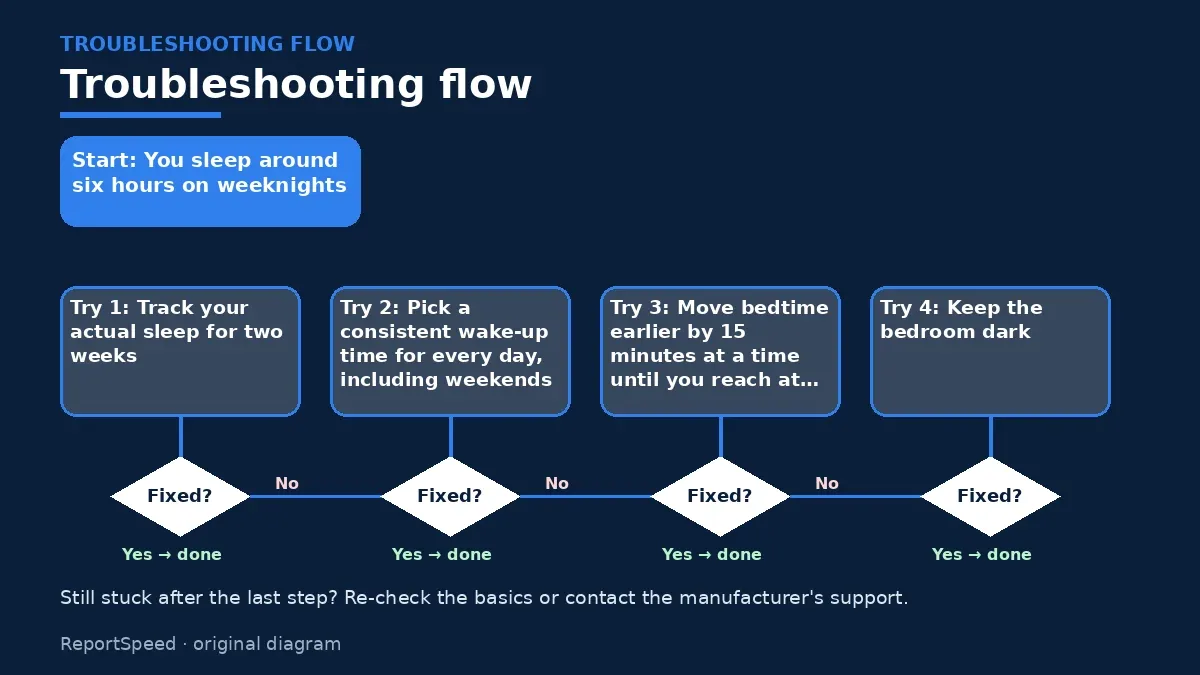
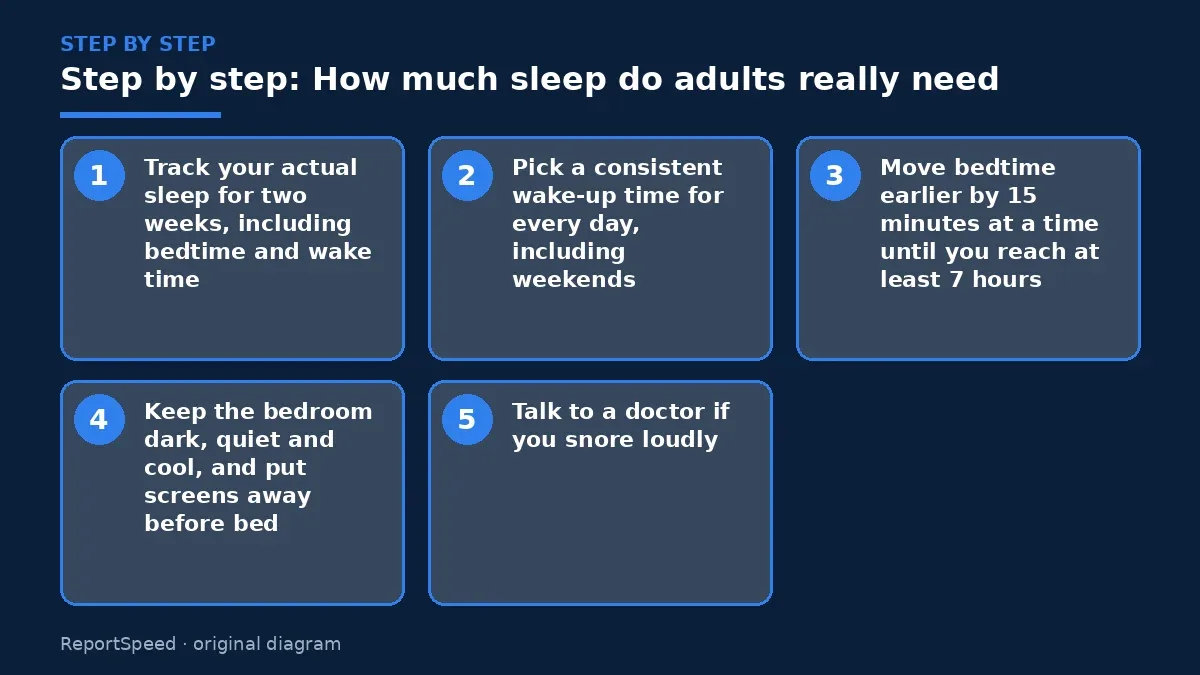
- Track your actual sleep for two weeks, including bedtime and wake time.
- Pick a consistent wake-up time for every day, including weekends.
- Move bedtime earlier by 15 minutes at a time until you reach at least 7 hours.
- Keep the bedroom dark, quiet and cool, and put screens away before bed.
- Talk to a doctor if you snore loudly, wake gasping or feel sleepy despite enough hours.
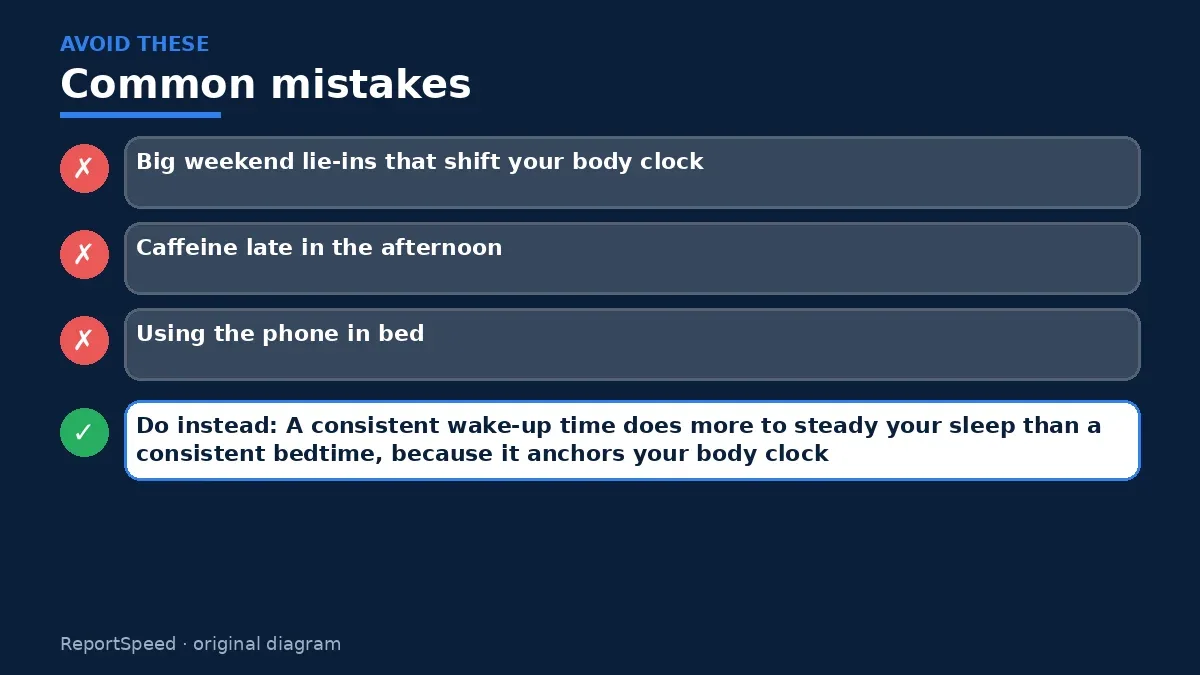
Common mistakes:
- Big weekend lie-ins that shift your body clock
- Caffeine late in the afternoon
- Using the phone in bed
ReportSpeedMan tip: A consistent wake-up time does more to steady your sleep than a consistent bedtime, because it anchors your body clock.
What I would actually do

I'd fix my wake-up time first, then move bedtime earlier in 15-minute steps until I'm getting at least seven hours.
The trade-off people miss: earlier bedtimes usually mean giving up evening screen time or social time. That trade is where most sleep plans succeed or fail.
Signs it worked
You're getting at least seven hours on a steady schedule and wake up rested.
Quick FAQ
Are naps OK?
Short naps can help; long late naps can hurt night sleep.
Is 6 hours enough for some people?
The CDC recommends 7+ for adults.
Does alcohol help sleep?
It can disrupt sleep later in the night.
Wrap-up: Aim for at least 7 hours on a steady schedule rather than relying on weekend catch-up. If you still feel tired, check with a doctor.
Wiki: Sleep Basics and Insomnia and Common Cold vs. Flu.
How much sleep do adults really need: primary sources
Step-by-step photos
1. Before The problem 
2. Why it happens The cause 
3. The fix The fix 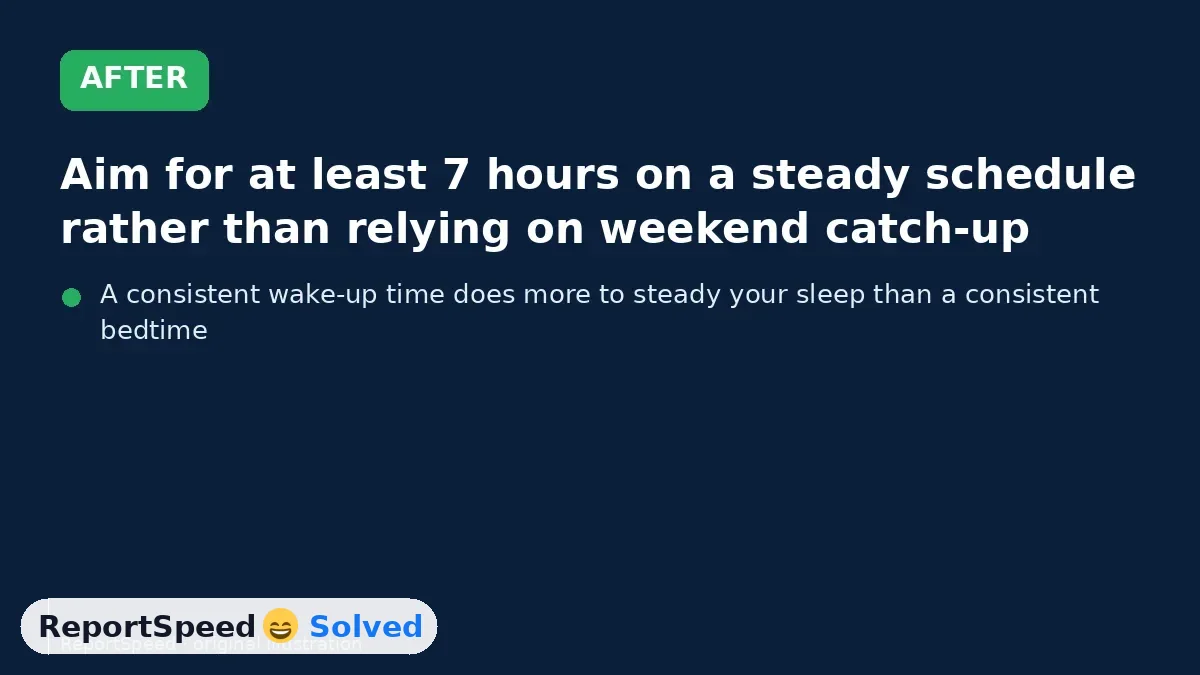
4. After The result
⚡ Speed Summary
- Aim for at least 7 hours on a steady schedule rather than relying on weekend catch-up.
- A consistent wake-up time does more to steady your sleep than a consistent bedtime, because it anchors your body clock.
- Treating regular six-hour nights as 'fine' because you feel used to it ignores that people often underestimate how sleep loss affects them.

Was this answer helpful?
Tap a star to rate this answer.
Related questions

Is there lead in my tap water? How to check and lower your risk
Lead comes from plumbing, can't be seen, and isn't removed by boiling.
Rate itSolved

When do I need a tetanus shot? Booster timing and wounds
Boosters are every 10 years, or 5 years for dirty or puncture wounds.
Rate itSolved
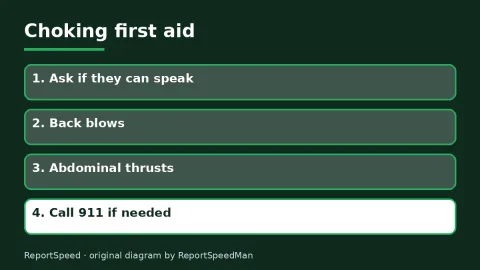
How to help someone who is choking: back blows and abdominal thrusts
Let a strong cough work.
Rate itSolved
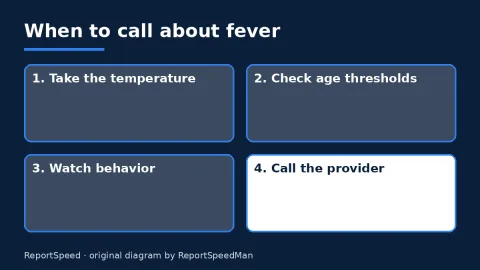
Fever: when to call the doctor for a child or adult
At 8 months, 102.2°F is the call-now line; your baby's 101.5°F means watch closely and call if it rises or warning signs appear.
Rate itSolved
Real experiences
No experiences yet. Be the first to share.