


I'm trying to eat healthier but nutrition labels feel like a wall of numbers. I don't know which parts matter or what the percentages mean. Is there a quick, practical way to read a nutrition facts label in the grocery store without spending ages on each product?
How to read a nutrition facts label in 60 seconds
Concerns & risks
You want to choose healthier food but find nutrition labels confusing and time-consuming.
| Aim for more | Aim for less |
|---|---|
| Fibre | Sodium |
| Vitamin D | Saturated fat |
| Calcium and iron | Added sugars |
| Potassium | Large hidden serving counts |

Causes & evidence
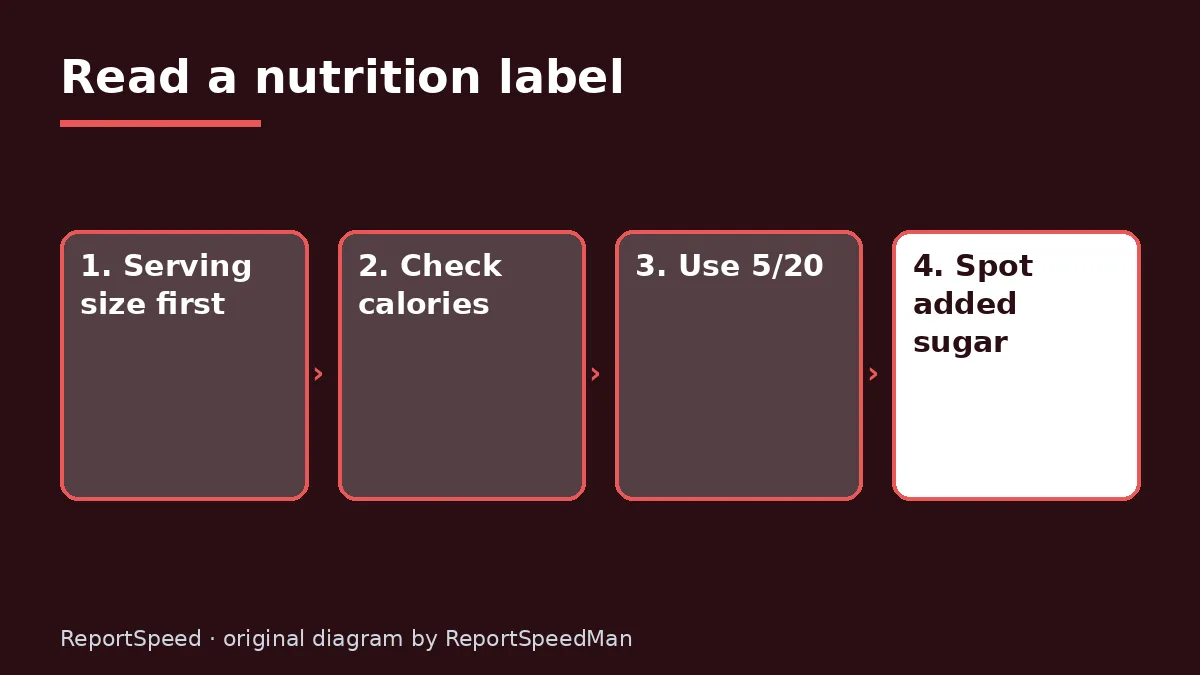
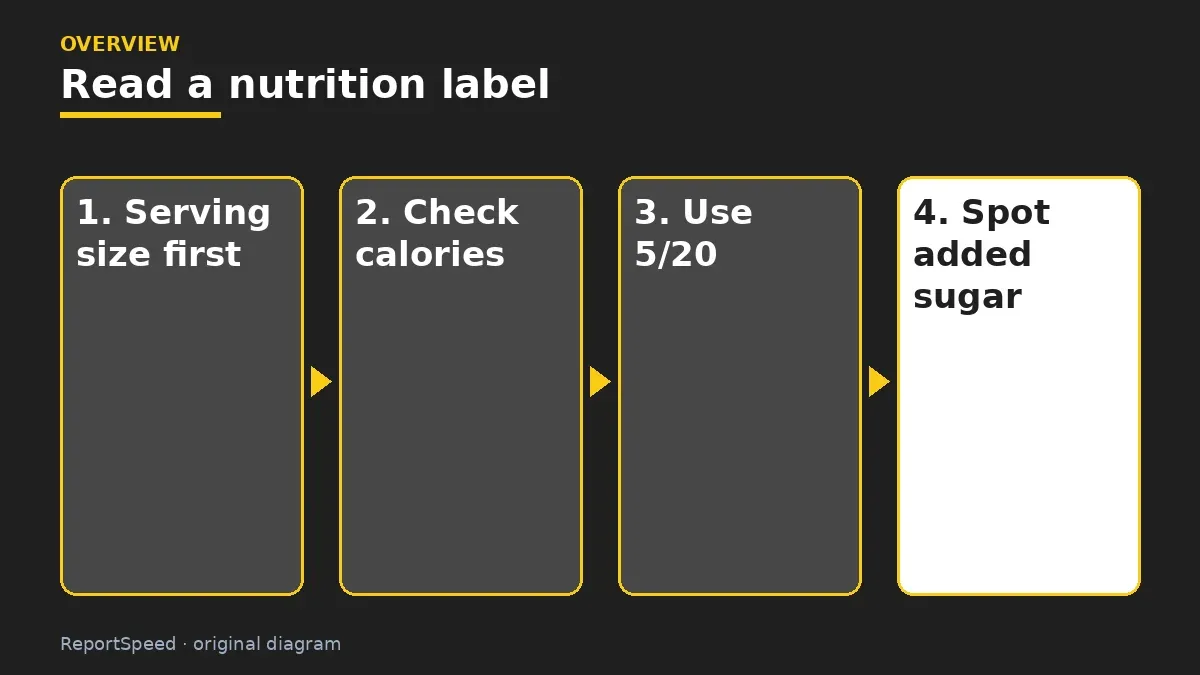
The FDA's guide to the Nutrition Facts label says to start with the serving size, because every number on the label is based on one serving and many packages hold more than one. Next, look at calories. The percent Daily Value shows how much a nutrient in one serving contributes to a daily diet, based on 2,000 calories a day for general advice. As a quick guide, 5% DV or less is low and 20% DV or more is high. The label now lists added sugars separately, which helps you spot sugar added during processing.
Packages that could be eaten in one sitting may show a dual-column label for one serving and the whole package. The ingredient list sits below the panel and is ordered by weight, so the first few ingredients make up most of the product. If a form of sugar or salt appears near the top, that's a quick clue to compare with another brand. Labels also list major food allergens, which matters for anyone with an allergy in the household.
Reading the calories without checking the serving size can make a snack look half as heavy as it is.
What to do

| Step | What to look at |
|---|---|
| 1. Serving size | All numbers are per serving; check servings per container |
| 2. Calories | Per serving |
| 3. %DV | Based on 2,000 calories a day |
| 4. 5/20 rule | 5% DV or less is low; 20% DV or more is high |
| 5. Added sugars | Listed separately; aim for lower |
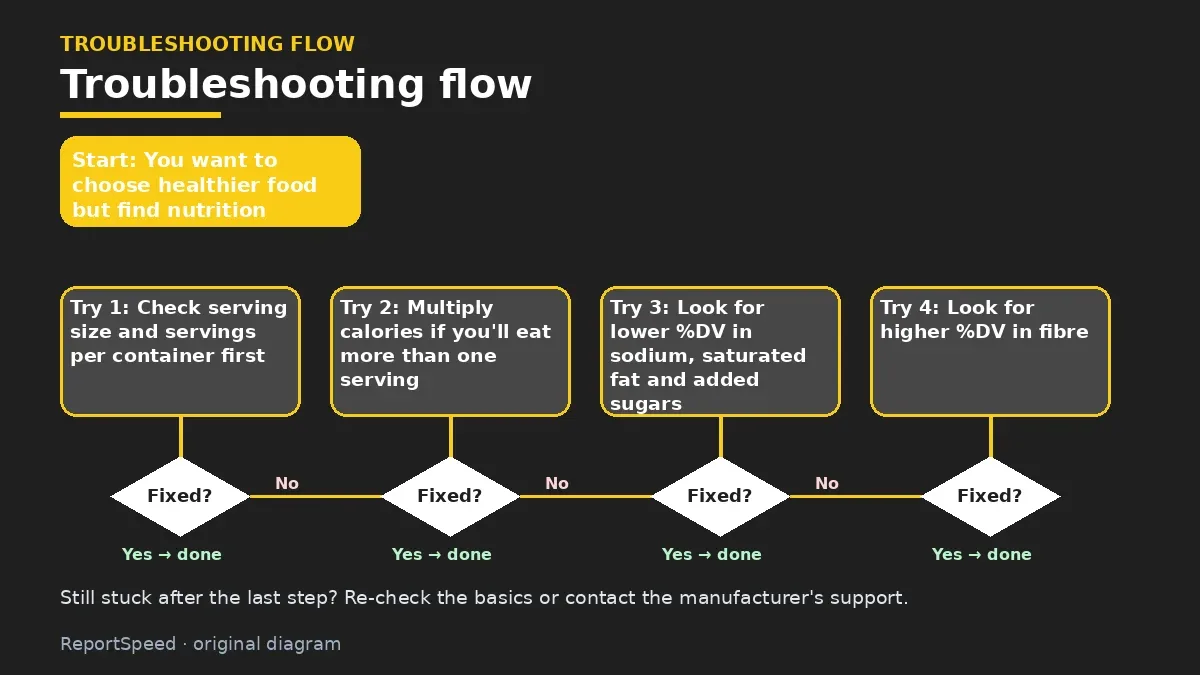
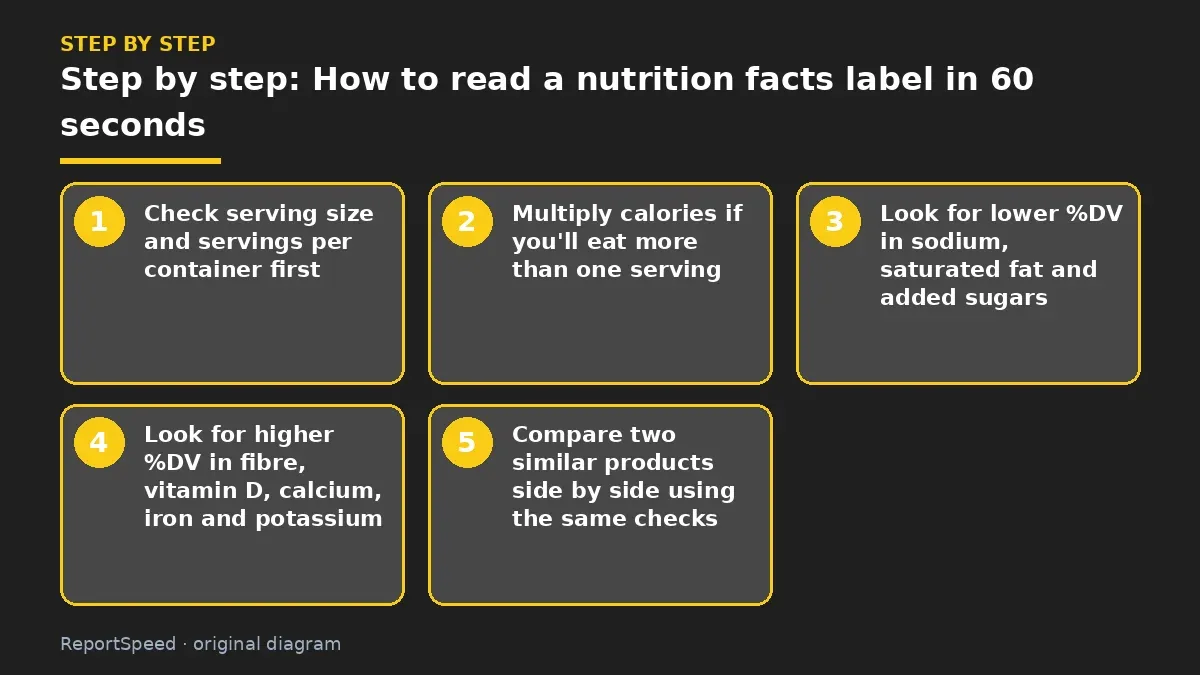
- Check serving size and servings per container first.
- Multiply calories if you'll eat more than one serving.
- Look for lower %DV in sodium, saturated fat and added sugars.
- Look for higher %DV in fibre, vitamin D, calcium, iron and potassium.
- Compare two similar products side by side using the same checks.
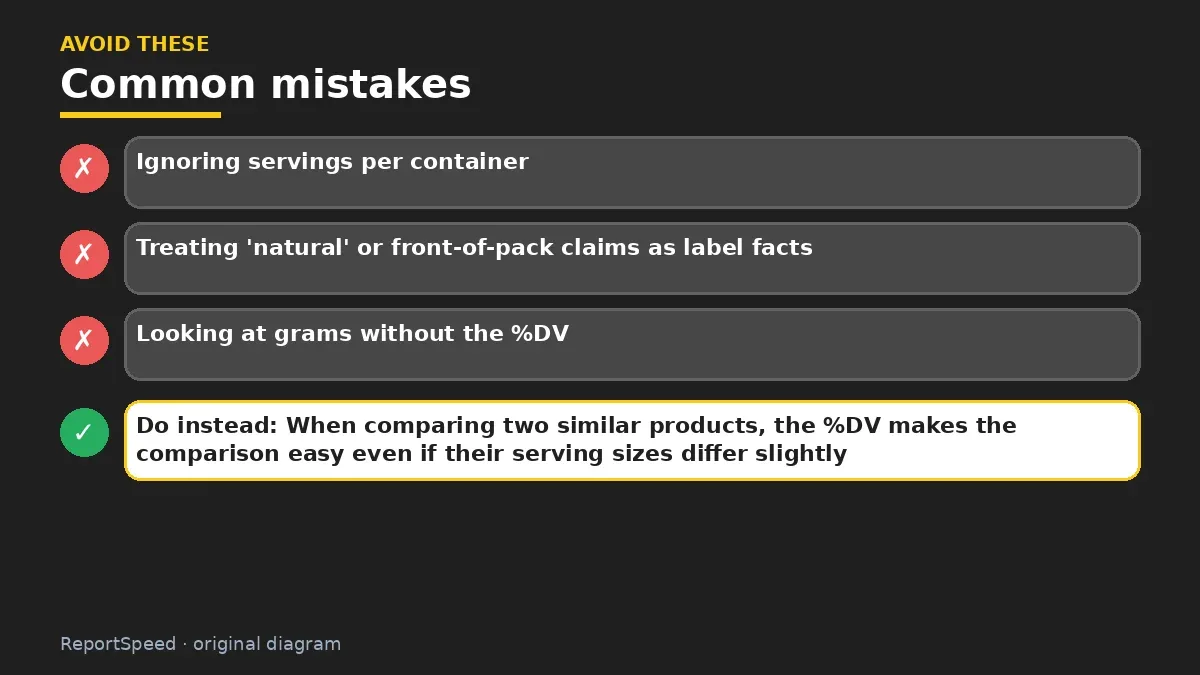
Common mistakes:
- Ignoring servings per container
- Treating 'natural' or front-of-pack claims as label facts
- Looking at grams without the %DV
ReportSpeedMan tip: When comparing two similar products, the %DV makes the comparison easy even if their serving sizes differ slightly.
What I would actually do
I'd check serving size, sodium, added sugars and fibre on anything new, and stop overthinking the rest.
The trade-off people miss: chasing one nutrient, like low fat, can lead you to products higher in sugar or sodium. Look at the whole label.
Checking that it worked
You can check serving size, calories, %DV and added sugars in under a minute.
Quick FAQ
What is %DV based on?
2,000 calories a day for general advice.
Are added sugars and total sugars the same?
No, added sugars are a subset.
What about trans fat?
Aim for as little as possible.
Wrap-up: Serving size, calories, the 5/20 rule and added sugars cover most decisions. Practise it on foods you buy often and it becomes automatic.
Wiki: Sleep Basics and Insomnia and Common Cold vs. Flu.
How to read a nutrition facts label in 60 seconds: read the originals
Step-by-step photos
1. Before The problem 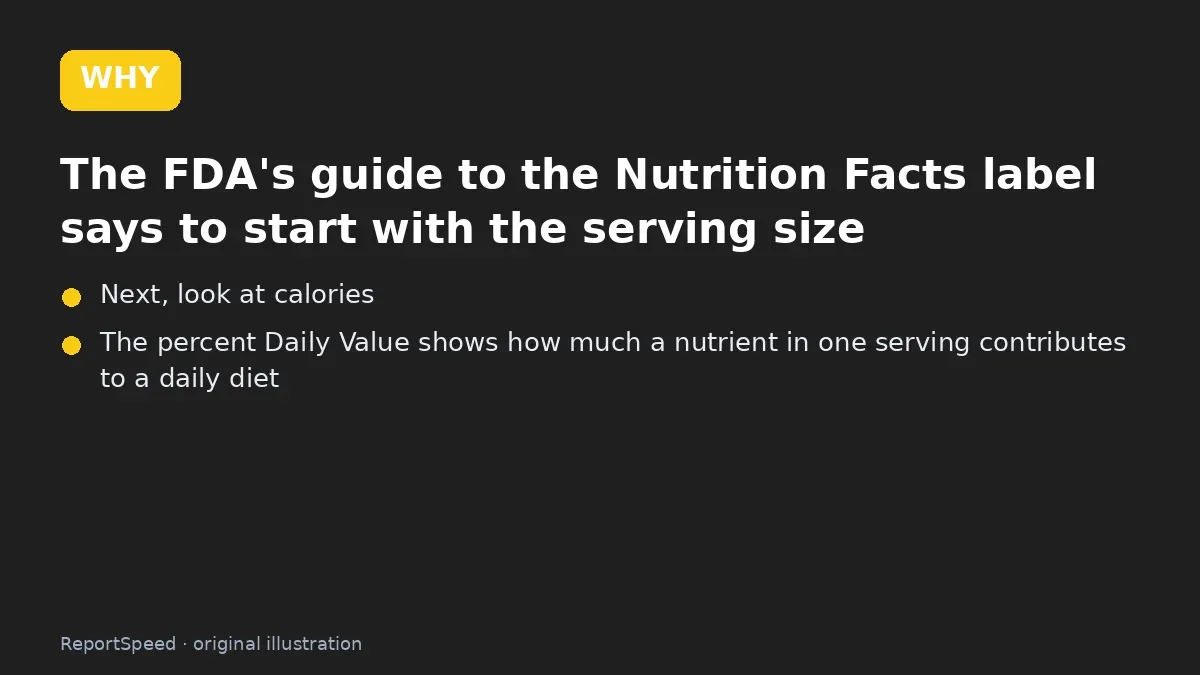
2. Why it happens The cause 
3. The fix The fix 
4. After The result
⚡ Speed Summary
- Serving size, calories, the 5/20 rule and added sugars cover most decisions.
- When comparing two similar products, the %DV makes the comparison easy even if their serving sizes differ slightly.
- Reading the calories without checking the serving size can make a snack look half as heavy as it is.

Was this answer helpful?
Tap a star to rate this answer.
Related questions

Is there lead in my tap water? How to check and lower your risk
Lead comes from plumbing, can't be seen, and isn't removed by boiling.
Rate itSolved
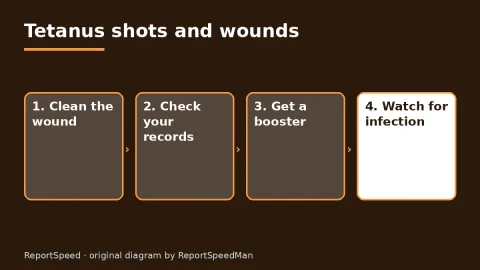
When do I need a tetanus shot? Booster timing and wounds
Boosters are every 10 years, or 5 years for dirty or puncture wounds.
Rate itSolved
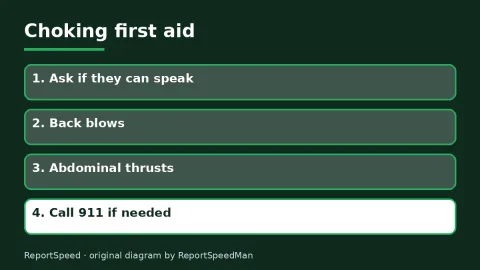
How to help someone who is choking: back blows and abdominal thrusts
Let a strong cough work.
Rate itSolved
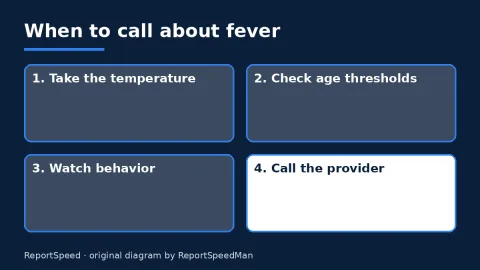
Fever: when to call the doctor for a child or adult
At 8 months, 102.2°F is the call-now line; your baby's 101.5°F means watch closely and call if it rises or warning signs appear.
Rate itSolved
Real experiences
No experiences yet. Be the first to share.