


My yearly blood work came back with an A1C of 5.9% and a fasting glucose of 108. The portal flagged both in yellow, but my appointment isn't for three weeks. What do my A1C and fasting blood sugar numbers mean, and is this something I should worry about now?
What do my A1C and fasting blood sugar numbers mean?
Concerns & risks
Your A1C and fasting glucose were both flagged, and you're waiting a few weeks to discuss them with your doctor.
| Question | Why ask |
|---|---|
| Should I repeat the test? | Diagnosis usually needs confirmation |
| What's my target? | Personal goals vary |
| Am I eligible for a prevention program? | Structured support helps |
| How often should I retest? | Depends on results and risk |
| Do any of my medicines affect this? | Some raise blood sugar |

Causes & evidence
The CDC explains that the A1C test reflects your average blood sugar over roughly the past two to three months, while a fasting blood sugar test measures it after an overnight fast. By the CDC's ranges, an A1C below 5.7% is normal, 5.7% to 6.4% indicates prediabetes and 6.5% or higher indicates diabetes. For fasting blood sugar, 99 mg/dL or below is normal, 100 to 125 mg/dL indicates prediabetes and 126 mg/dL or higher indicates diabetes. Results in the prediabetes range mean blood sugar is higher than normal but not yet high enough for a type 2 diabetes diagnosis. A diagnosis usually needs confirmation with repeat testing. The CDC notes that prediabetes can often be reversed with lifestyle changes, and its National Diabetes Prevention Program offers structured support. Only your clinician can interpret your results in the context of your health.
Who this applies to: these ranges are for nonpregnant adults. Pregnancy uses different tests and targets, and A1C can be less reliable in people with certain blood conditions, such as anemia or some hemoglobin variants. Children are screened differently. If you already have a diabetes diagnosis, your targets are set with your care team.
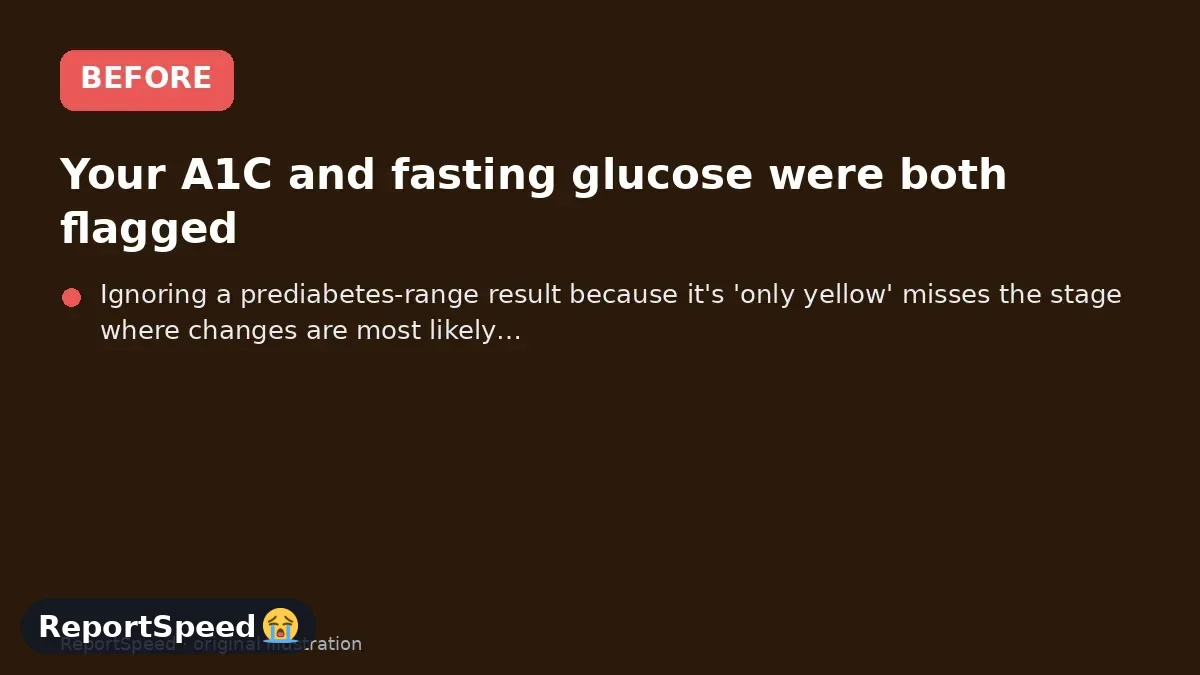
Ignoring a prediabetes-range result because it's 'only yellow' misses the stage where changes are most likely to help.
What to do

| Result | A1C | Fasting blood sugar |
|---|---|---|
| Normal | Below 5.7% | 99 mg/dL or below |
| Prediabetes | 5.7% to 6.4% | 100 to 125 mg/dL |
| Diabetes | 6.5% or higher | 126 mg/dL or higher |
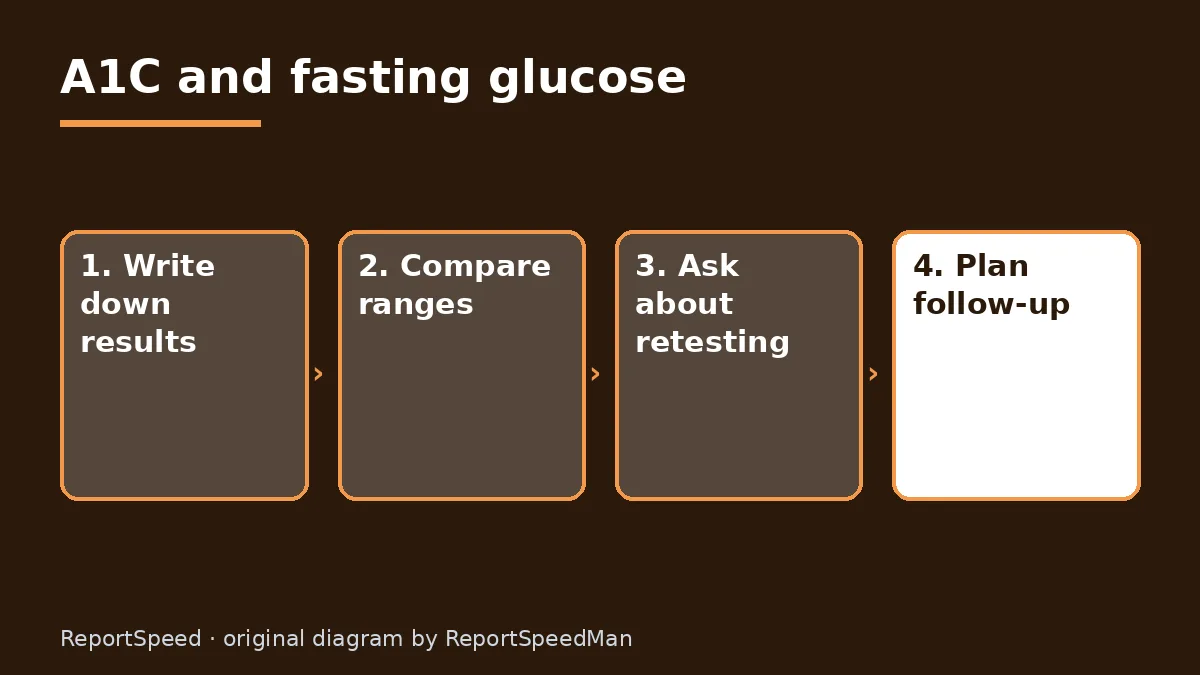
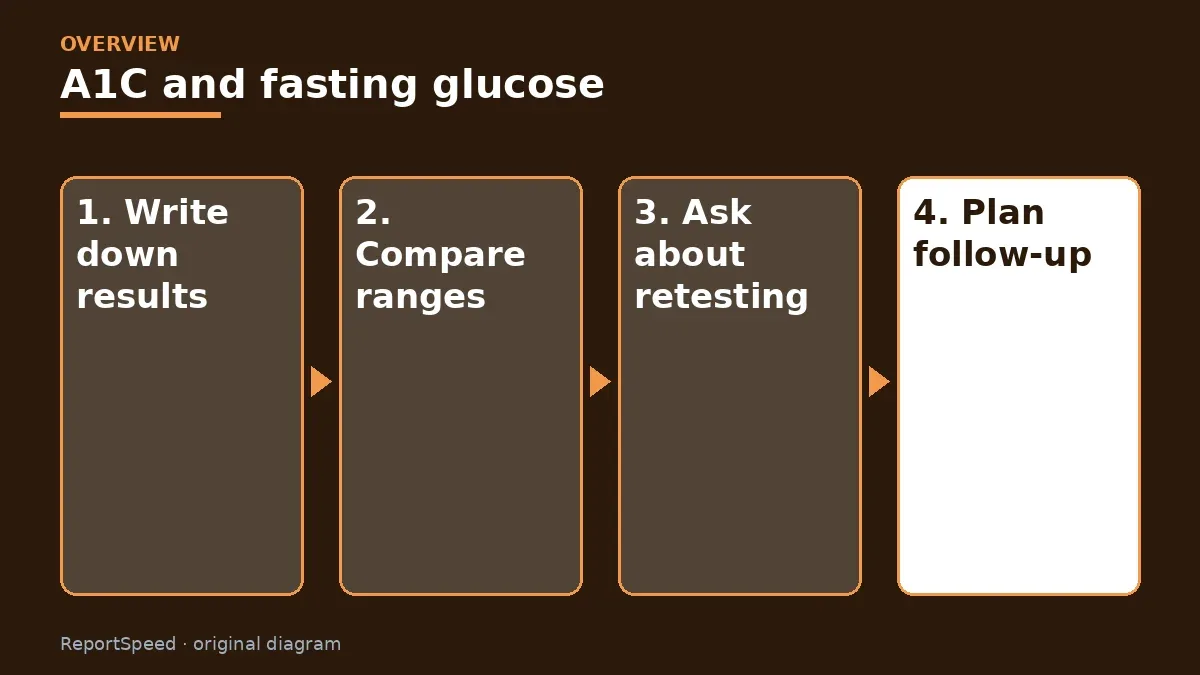
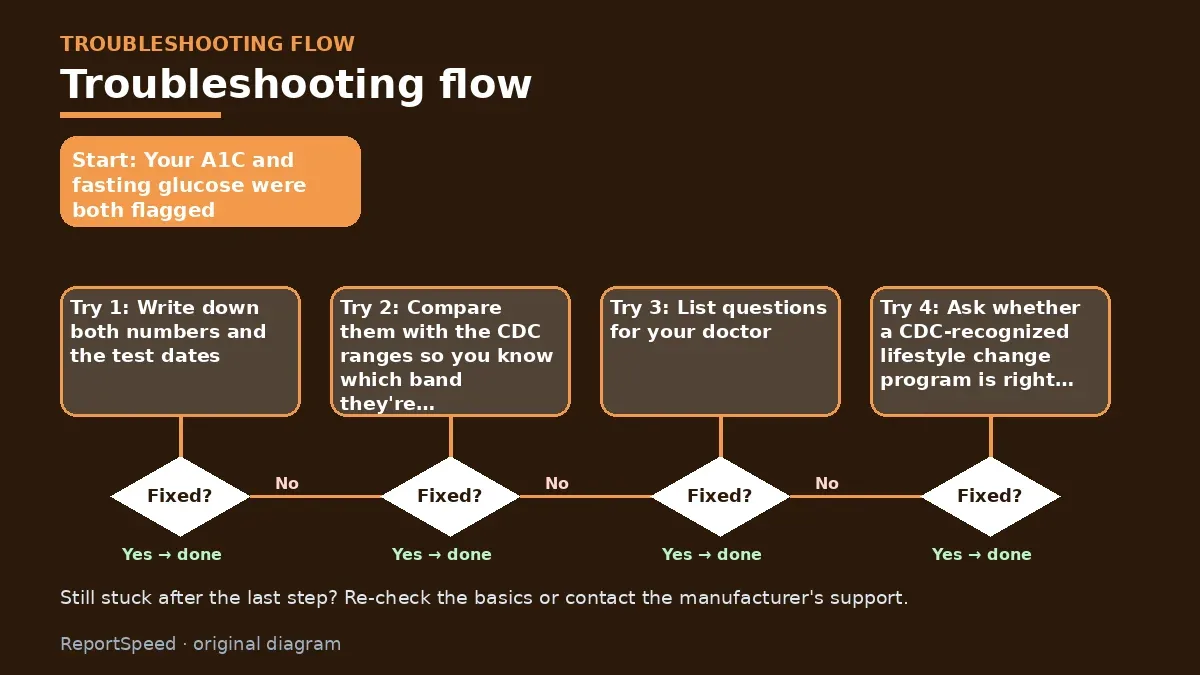
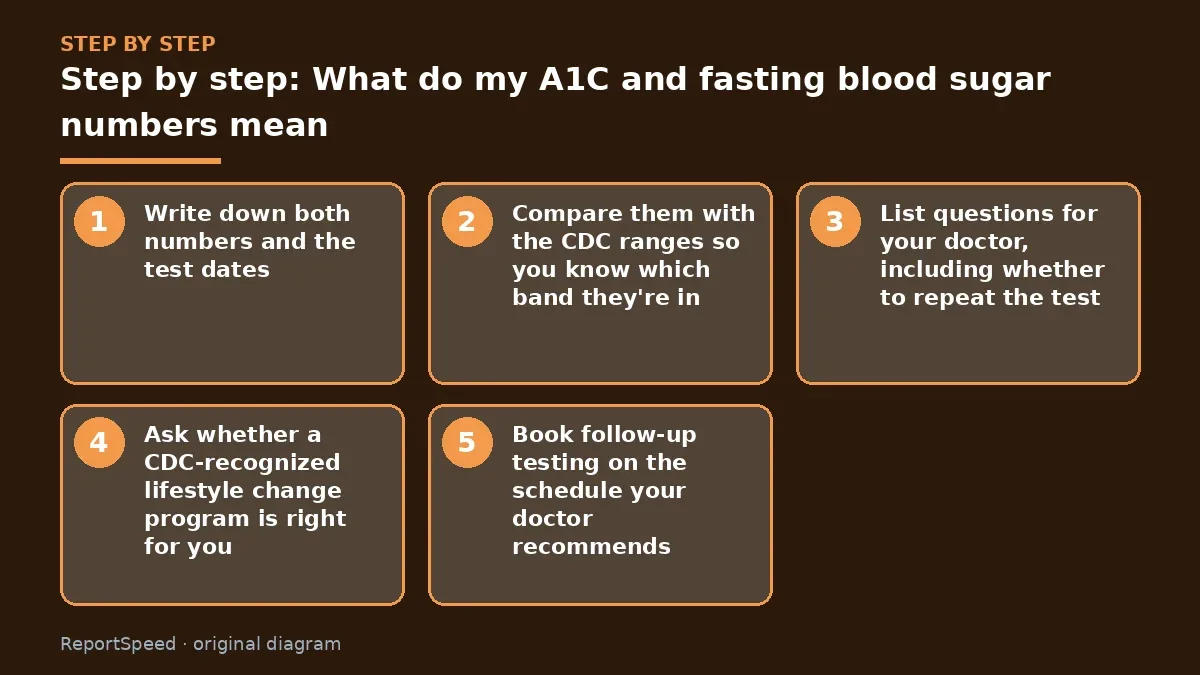
- Write down both numbers and the test dates.
- Compare them with the CDC ranges so you know which band they're in.
- List questions for your doctor, including whether to repeat the test.
- Ask whether a CDC-recognized lifestyle change program is right for you.
- Book follow-up testing on the schedule your doctor recommends.
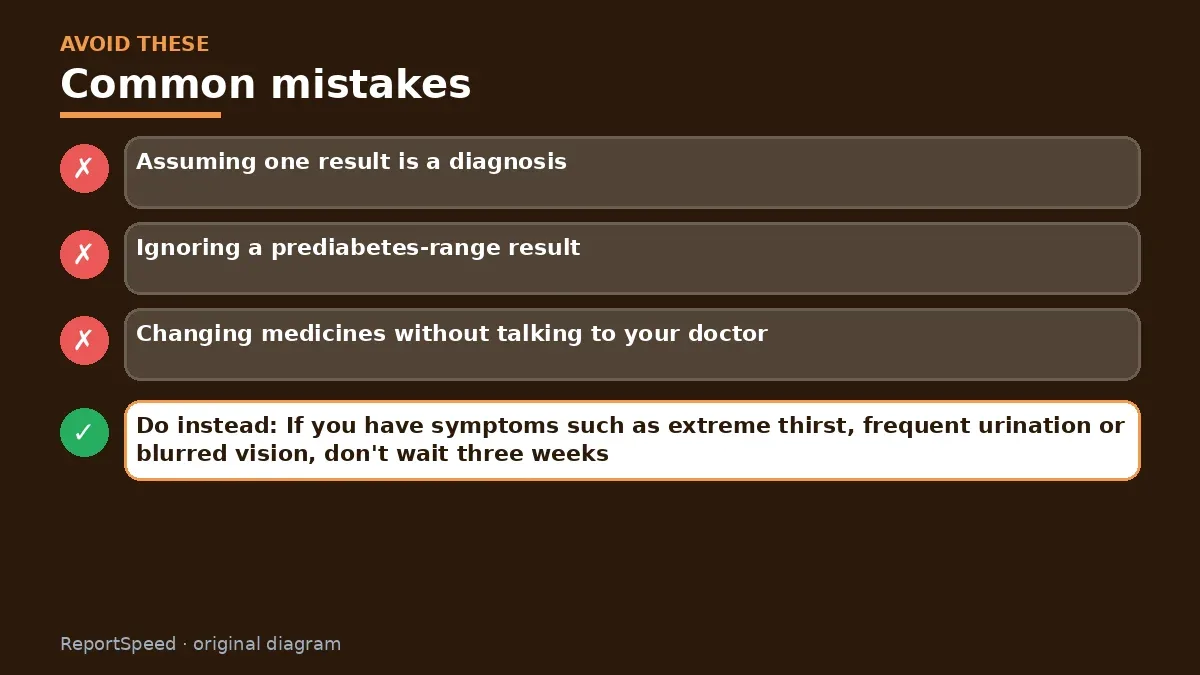
Common mistakes:
- Assuming one result is a diagnosis
- Ignoring a prediabetes-range result
- Changing medicines without talking to your doctor
ReportSpeedMan tip: If you have symptoms such as extreme thirst, frequent urination or blurred vision, don't wait three weeks. Contact your doctor's office sooner.
What I would actually do
I'd write my numbers down, compare them with the CDC ranges, and arrive at the appointment with my questions and a list of my medicines.
The trade-off people miss: one result in the prediabetes range is a signal, not a sentence. Retesting confirms the trend, and acting early usually gives the most room to bring numbers down.
Did it work? How to check
Your doctor confirms your results and you have a follow-up plan.
Quick FAQ
Can prediabetes go away?
The CDC notes it can often be reversed with lifestyle changes.
Do I need to fast for an A1C test?
No. Fasting is needed for the fasting glucose test.
Is a home meter as accurate?
Home meters are for monitoring, not diagnosis.
Wrap-up: An A1C of 5.7% to 6.4% or fasting glucose of 100 to 125 mg/dL is in the prediabetes range. Confirm with your doctor and ask about lifestyle programs early.
Wiki: Sleep Basics and Insomnia and Common Cold vs. Flu.
What do my A1C and fasting blood sugar numbers mean: primary sources
Step-by-step photos
1. Before The problem 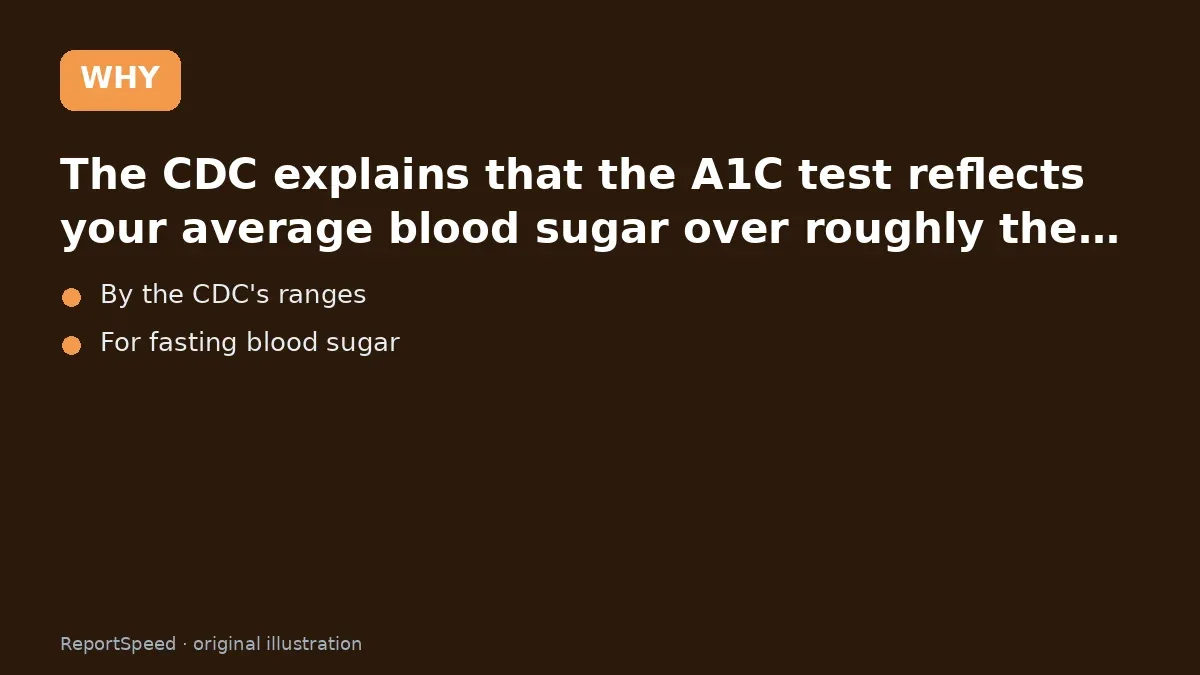
2. Why it happens The cause 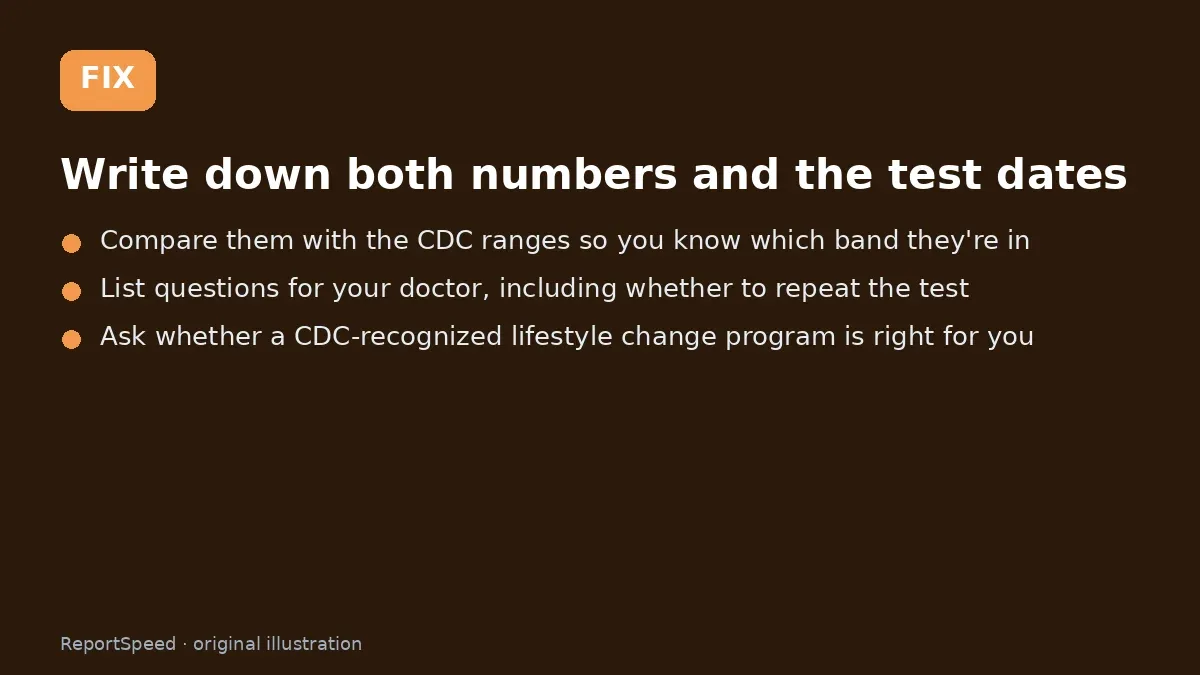
3. The fix The fix 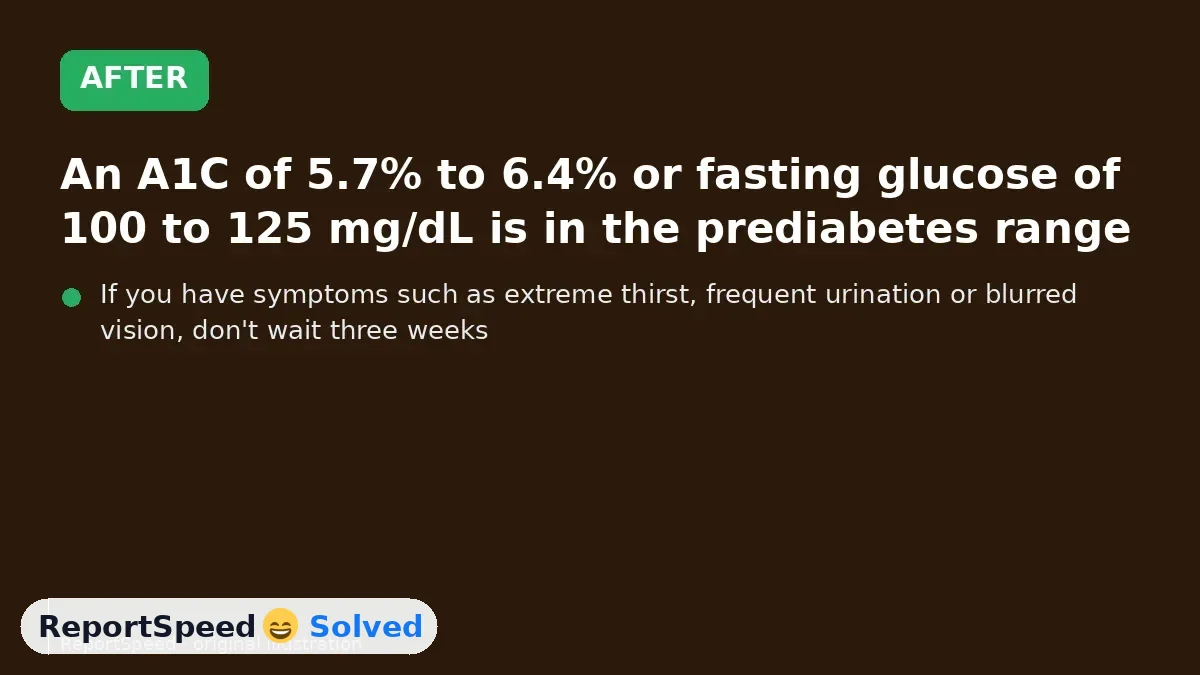
4. After The result
⚡ Speed Summary
- An A1C of 5.7% to 6.4% or fasting glucose of 100 to 125 mg/dL is in the prediabetes range.
- If you have symptoms such as extreme thirst, frequent urination or blurred vision, don't wait three weeks. Contact your doctor's office sooner.
- Ignoring a prediabetes-range result because it's 'only yellow' misses the stage where changes are most likely to help.

Was this answer helpful?
Tap a star to rate this answer.
Related questions
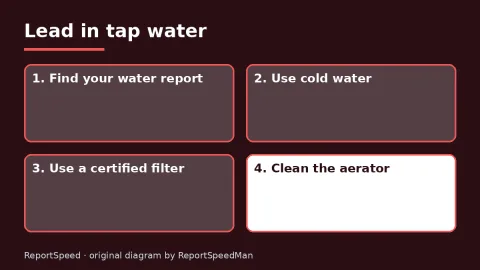
Is there lead in my tap water? How to check and lower your risk
Lead comes from plumbing, can't be seen, and isn't removed by boiling.
Rate itSolved
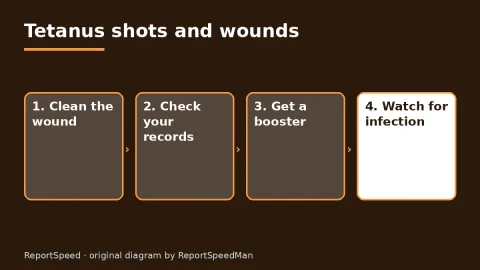
When do I need a tetanus shot? Booster timing and wounds
Boosters are every 10 years, or 5 years for dirty or puncture wounds.
Rate itSolved
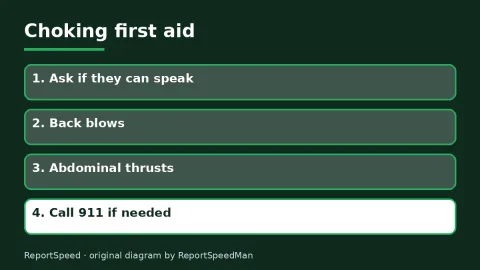
How to help someone who is choking: back blows and abdominal thrusts
Let a strong cough work.
Rate itSolved
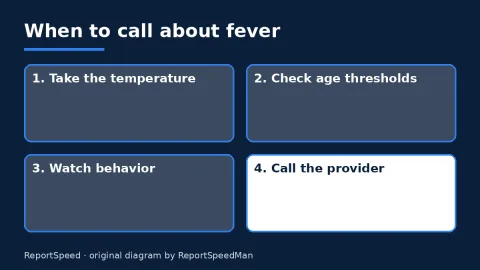
Fever: when to call the doctor for a child or adult
At 8 months, 102.2°F is the call-now line; your baby's 101.5°F means watch closely and call if it rises or warning signs appear.
Rate itSolved
Real experiences
No experiences yet. Be the first to share.